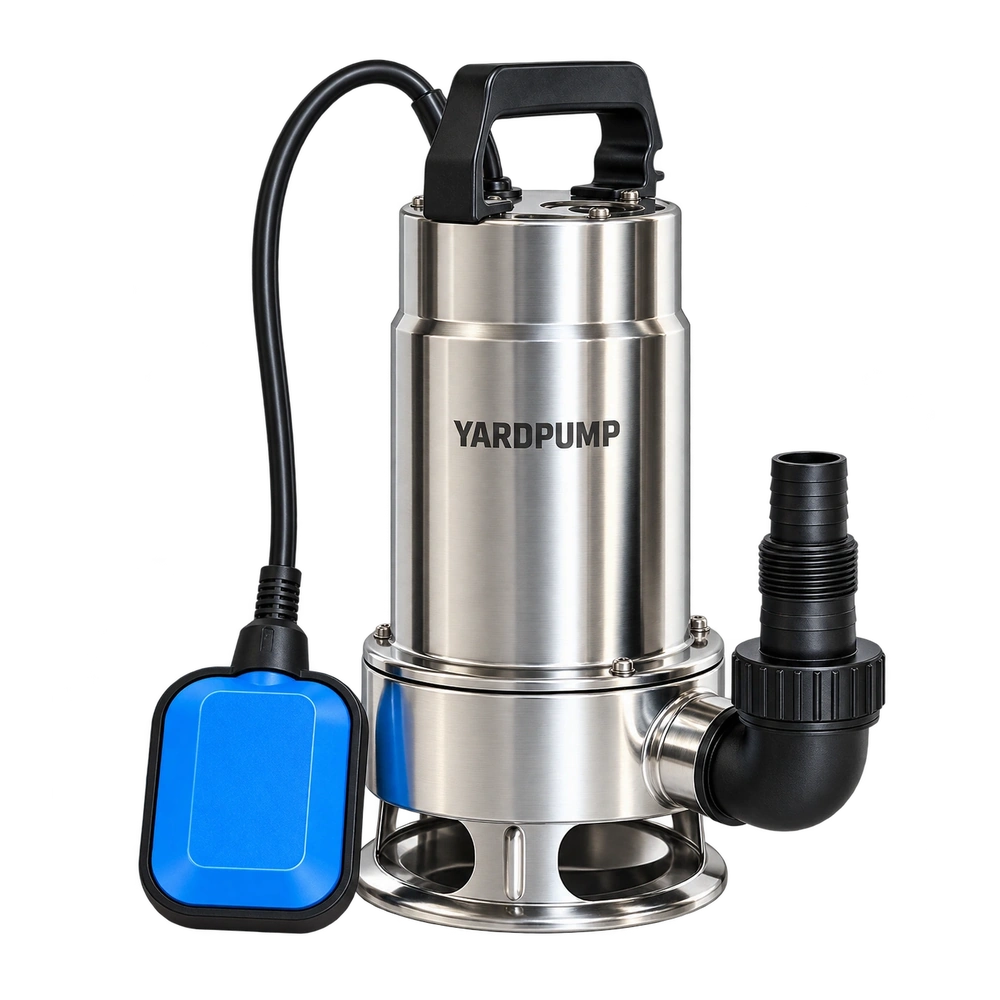
Two pumps in different cartons carry the same apparent serial number. Should an importer call them counterfeit, relabel one or ignore the coincidence? First determine what the number is intended to identify. If it is specified as a unique unit identifier, contain the affected stock and have the responsible supplier restore traceability through a controlled correction. A duplicate is a traceability problem, not automatic proof of its cause.
Confirm that the code is meant to be unique
A model code, product trade identifier or production-lot code can legitimately repeat. A serial number intended to distinguish individual units should not. Read the label legend, purchase specification and supplier coding rule before declaring a duplication. Similar strings can also differ by a prefix, plant code or scanner formatting that is hidden in a display.
Scan and photograph the full label on each pump and carton. Preserve the raw scanned string as well as what warehouse software displays. Check whether a barcode parser removed leading zeros, truncated characters or converted two distinct codes into the same internal value. If the printed labels themselves repeat, a software-only explanation is insufficient.
Contain a defensible scope
Record the physical locations of both units, their cartons, receipt, purchase order and lot. Prevent further allocation of stock whose unique identity is unresolved. Ask the supplier for print-job, assembly and packing records to establish where the duplication could have started and ended. Do not assume that only the two discovered units are involved.
For illustration, two matching identifiers found in one pallet may justify reviewing the related print batch and nearby pallets. It does not, by itself, prove that the whole shipment is defective or that the entire production lot has duplicate labels. Expand or narrow containment from evidence, keeping the decision and responsible person recorded.
Correct identity without erasing history
Do not let warehouse staff invent a new serial number independently. The responsible organization should issue the correction, define the affected units and maintain a mapping from old identity to corrected identity. Where the old number refers to more than one pump, include physical evidence or a controlled secondary identifier so the mapping is unambiguous.
Update the pump, carton, warehouse record, test linkage and service record as required by the approved correction. Covering one label while leaving a conflicting carton barcode can recreate the problem at shipment. A change to serial identity must not silently change a model, electrical version or origin statement. Preserve the original photographs and correction authorization.
Check the downstream consequences
Identify whether either unit has already shipped or received a warranty action. A duplicated identifier can attach one pump's test record or credit to another pump. Restore those links explicitly and tell affected service teams which reference to use. Customer communication, where necessary, should describe the actual correction without asserting an unproven counterfeit or safety conclusion.
Close the event only after checking the issuing system, print-job reset, reprint handling and final scan validation. Replacing labels alone does not prevent the same duplication from recurring. Challenge the process with an attempted duplicate so its detection method is demonstrated rather than assumed.
For YARDPUMP OEM or distributor orders, the exact identification scheme must come from the approved order and production records. This guide does not claim a particular serial architecture for all models. Its purchasing value is to preserve reliable unit-to-test-to-customer traceability while the underlying cause is established, rather than choosing between accusation and silent relabelling.
Check other identifiers before changing anything: a customer asset tag, a supplier serial and a carton logistics code can coexist. Preserve their roles in the corrected mapping. If software imports one field into several systems, test the correction end to end so an overnight synchronization does not restore the duplicate. The closeout should include physical scanning as well as the database change, because the next warehouse operator works from the label.
| Code role | Expected repetition | Action |
|---|---|---|
| Model or product identifier | Multiple units may share it | Confirm product definition |
| Lot identifier | Groups production units | Preserve lot membership |
| Unique unit serial | Should distinguish individual units within its defined scope | Investigate duplicates and retain correction mapping |
Frequently asked questions
Is a repeated batch number a duplicate serial fault?
Not necessarily. Lot codes are intended to group units. Establish the coding rule first.
Can a spreadsheet suffix solve the problem?
Only as part of an authorized mapping that remains connected to the physical unit and all relevant records.
Does duplication prove the pumps are counterfeit?
No. Printing, rework, software and other causes require investigation. Do not infer authenticity or product safety solely from the repeated number.