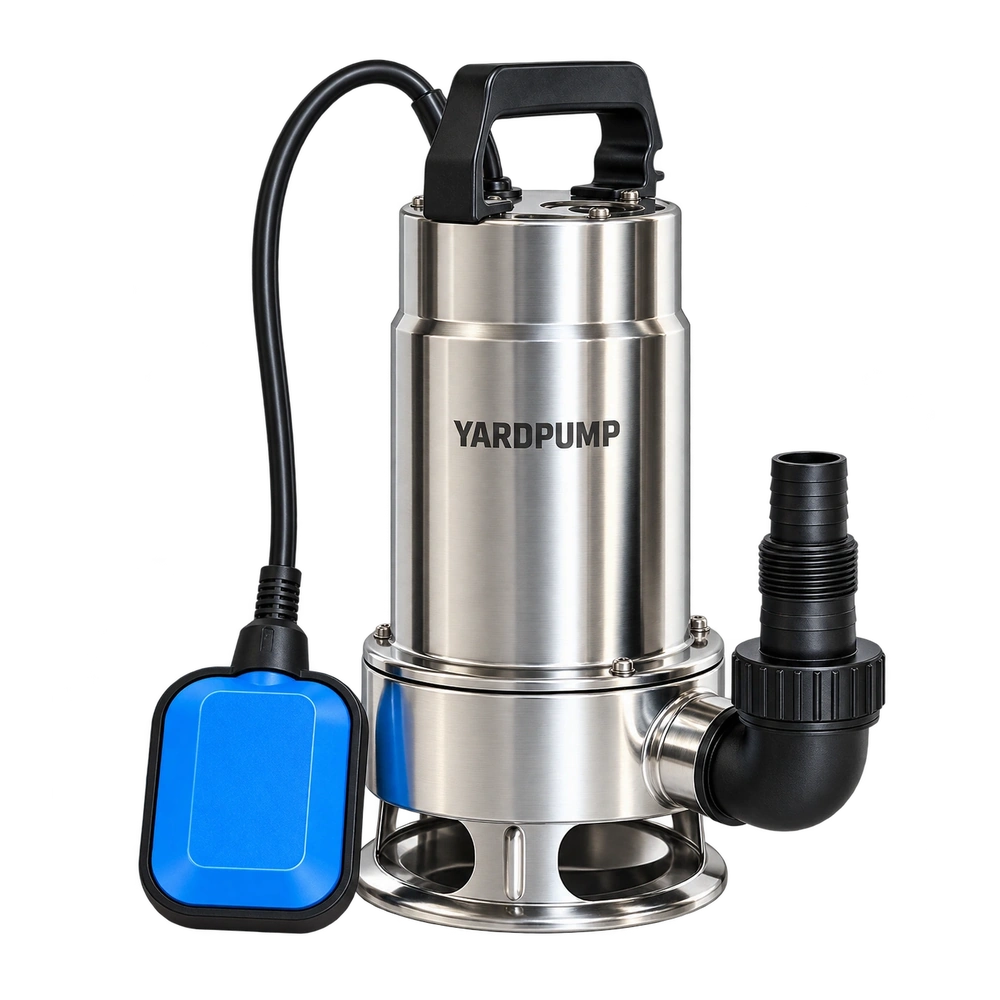
Imagine an importer buys a sump pump with a check valve in the carton. A little water opens the sample valve, yet the complete installation misses the required flow. Ask for forward pressure loss at the specified working flow. Beginning to open proves that the disc moved under a particular condition. As flow rises, the passage, disc position and connections still consume head. Two valves can have the same connection size and different losses at the same delivery rate.
Put two forward-flow requirements in the request
One question is how the valve begins to pass water in its permitted orientation. The other is the pressure difference across it at the flows the installation actually needs. Request the part number, flow direction, orientation, test liquid, flow range and forward pressure-drop curve. Identify whether the curve includes the adapters or just the valve. If the supplier gives only an opening pressure, it cannot stand in for working-flow loss. Even a documented loss at one rate may be unhelpful if it is far from the intended operating point.
Keep shutdown behaviour separate. A valve that passes water easily in the forward direction may still leak on reversal. A valve that closes tightly may impose considerable forward loss. This article addresses the head the valve consumes while the pump runs. Verify reverse leakage under the agreed reverse differential when the installation relies on it. An extra loss can use much of a small pump's available head, but compare curves instead of assuming that nameplate watts tell you the margin.
Compare pressure drop at the same flow
Consider an illustrative requirement of 45 litres per minute. At that flow the pipe route excluding the valve needs three metres of water head. Suppose one valve drops 0.05 bar and another 0.15 bar at the same rate. For water those add roughly 0.51 and 1.53 metres, making the two requirements about 3.51 and 4.53 metres. If the pump can supply only four metres at 45 litres per minute, the second arrangement cannot be accepted on the basis that its valve opens. Determine actual flow from the full pump and system curves. A one-metre difference in required head does not translate to a fixed number of litres per minute.
For a separate loss measurement, qualified staff use the approved fixture, tap positions, elevations and bore sizes. If the measuring sections differ, account for elevation or velocity under the agreed method. Two arbitrary gauge readings may not represent loss across the valve. Record the matched flow, valve orientation, fittings and stable conditions. Then verify the delivered duty with the actual included valve, hose and fittings if the contract is for an installed kit rather than the pump by itself.
Keep substitutions within the verified duty
Write the approved valve number and curve revision into the pack-out and acceptance documents. For a substitute of the same connection size, review construction, orientation and forward loss, and separately confirm the reverse behaviour. A larger or costlier valve is not automatically better. The purchase needs enough head margin at the desired flow and suitable protection after the pump stops. If conditions, limits or data sources are missing, treat them as a question to resolve before release.
If the buyer and supplier test at different rates, compare the recorded flow and fixture first. Putting two different pressure drops side by side without their operating points can turn a test method difference into an apparent product difference.
Frequently asked questions
Does a disc that moves easily by hand prove a low pressure loss?
No. That observation does not measure differential pressure at a specified flow and installed orientation.
Does valve pressure drop change with flow?
Usually. The opening may also change. Check the particular valve curve or use the agreed measurement at the intended rates.
Should reverse leakage be checked after forward acceptance?
Yes, when the installation depends on it. Use the separate reverse test conditions and limits in the specification.