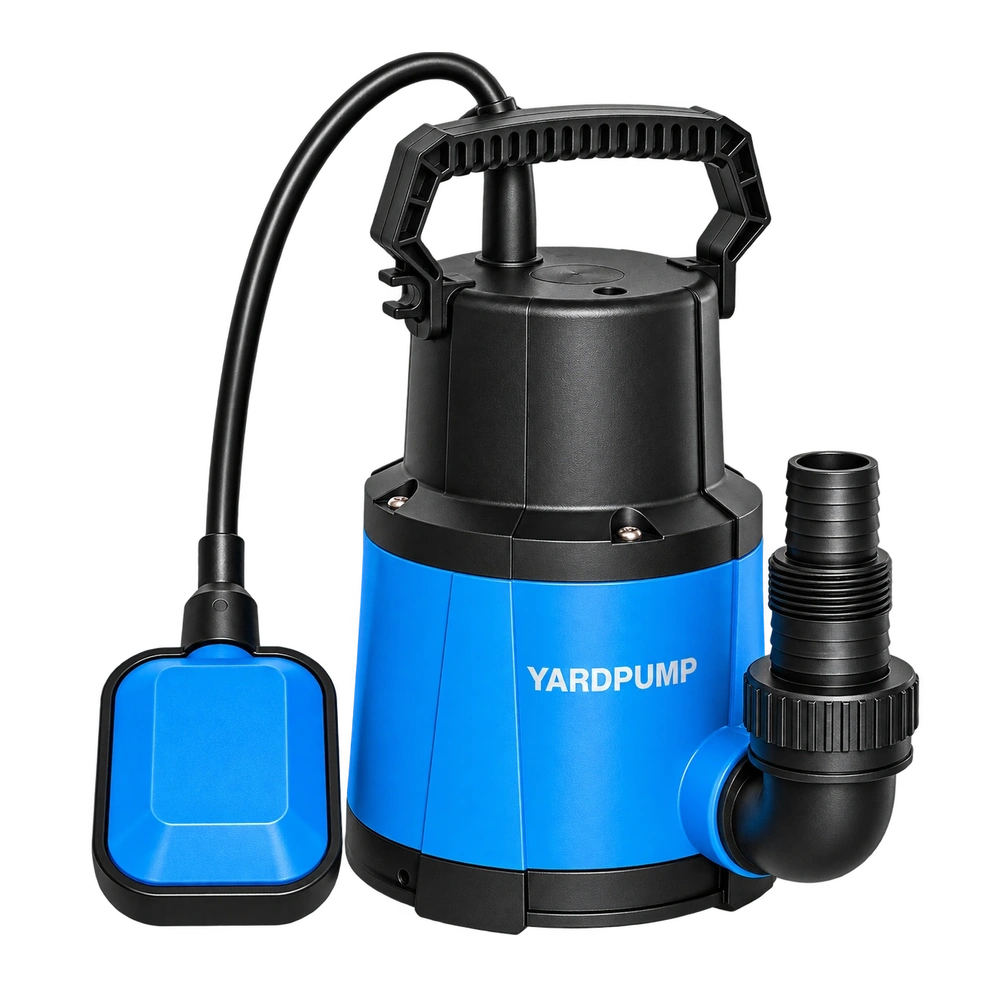
A blue sample matches in the office, but delivered pump housings look greener under warehouse lighting. Is this a colour difference, a lighting effect or an unreliable reference? In this typical OEM appearance dispute, phone photographs and the phrase match the sample are insufficient. Agree the approved reference, illumination, observation and measurement conditions, tolerance method and surface state. Only then can both parties compare like with like.
Establish what is being compared
Perceived housing colour depends on light, surface texture, gloss, thickness and background. Camera white balance, exposure, screen settings and image compression add further changes. Photographs can help identify where a concern appears, but comparing two images on phones normally does not establish a precise colour decision. The physical parts and controlled viewing arrangement remain important. A convenient picture is not an independent colour standard.
Give the reference a clear identity, approval date and material or surface applicability, and preserve it under suitable conditions. An old housing affected by sunlight, contamination or wear should not automatically remain an unchanged master. If a flat colour plaque represents a curved, textured pump shell, explain that relationship. Differences caused by surface form must not all be attributed to the colourant formulation.
A match can change under another light
Two objects that appear similar under one source may separate under another because of metamerism. That does not automatically mean the instrument is defective or one observer is wrong. The light source and materials' spectral responses interact. A single office approval may therefore fail to represent retail display or actual use. The viewing conditions are part of the acceptance definition, not background details added after a disagreement.
Imagine a hypothetical trial in which the reference and production shell appear close under agreed daylight conditions but differ under another store-lighting arrangement. The parties need their predefined multi-light evaluation and acceptance procedure. Competing phone pictures do not resolve the issue. This scenario is illustrative, not an actual complaint or a prediction that every particular resin will behave in that way.
| Condition to align | Why it matters |
|---|---|
| Approved reference and surface | Prevents a changed target or material state |
| Illumination, background and observation | Reduces environment-driven disagreement |
| Instrument geometry, aperture and location | Makes curved or textured readings repeatable |
| Colour-difference formula and tolerance | Prevents unlike Delta E values being compared directly |
Delta E alone is incomplete information
Different colour-difference methods and measurement conditions are not interchangeable merely because they use the Delta E name. Identify the formula, illumination and observer conditions, instrument settings, calibration and measurement location. Curved surfaces, texture, gloss and areas near mould features need a suitable fixture and sampling approach. Changing the measurement position casually can change the result without any change in the material being tested.
Set tolerances with regard to brand appearance, process capability and application. There is no universal limit appropriate to every plastic pump. Review the instrument result alongside the agreed visual procedure and consider gloss, flow marks or other appearance differences. Passing colour acceptance also does not establish unchanged material properties, weathering resistance or complete-pump performance. Each of those questions needs its own relevant evidence.
Trial the acceptance method before production
Have both parties evaluate representative samples with the same method and confirm that different inspectors reach explainable results. Agree sample locations, lot coverage, disputed-result review and concession authority. An informal sales approval should not conflict with a warehouse still rejecting against an older reference. Keep revisions and effective ranges when changing the tolerance or master sample. Otherwise, a solved appearance issue can become a documentation dispute at receipt.
When a disagreement arises, check lighting, reference condition, resin batch, surface process and measurement setup before deciding to change a formulation. Adding a bluer masterbatch is not root-cause analysis. An executable acceptance method connects the brand consistency distributors expect with factors production can actually control. That is more useful than either side insisting that its uncontrolled viewing conditions must be the correct ones.
Questions about colour acceptance
Can matching phone photographs prove batch consistency?
Usually not. Cameras and screens alter appearance; follow the agreed physical viewing and measurement conditions.
Are two Delta E figures directly comparable?
Only when the formula, settings, illumination, observer and sampling method support that comparison.
Does a colour pass prove a new colourant leaves performance unchanged?
No. Appearance acceptance, material properties, weathering and complete-pump validation are separate tasks.