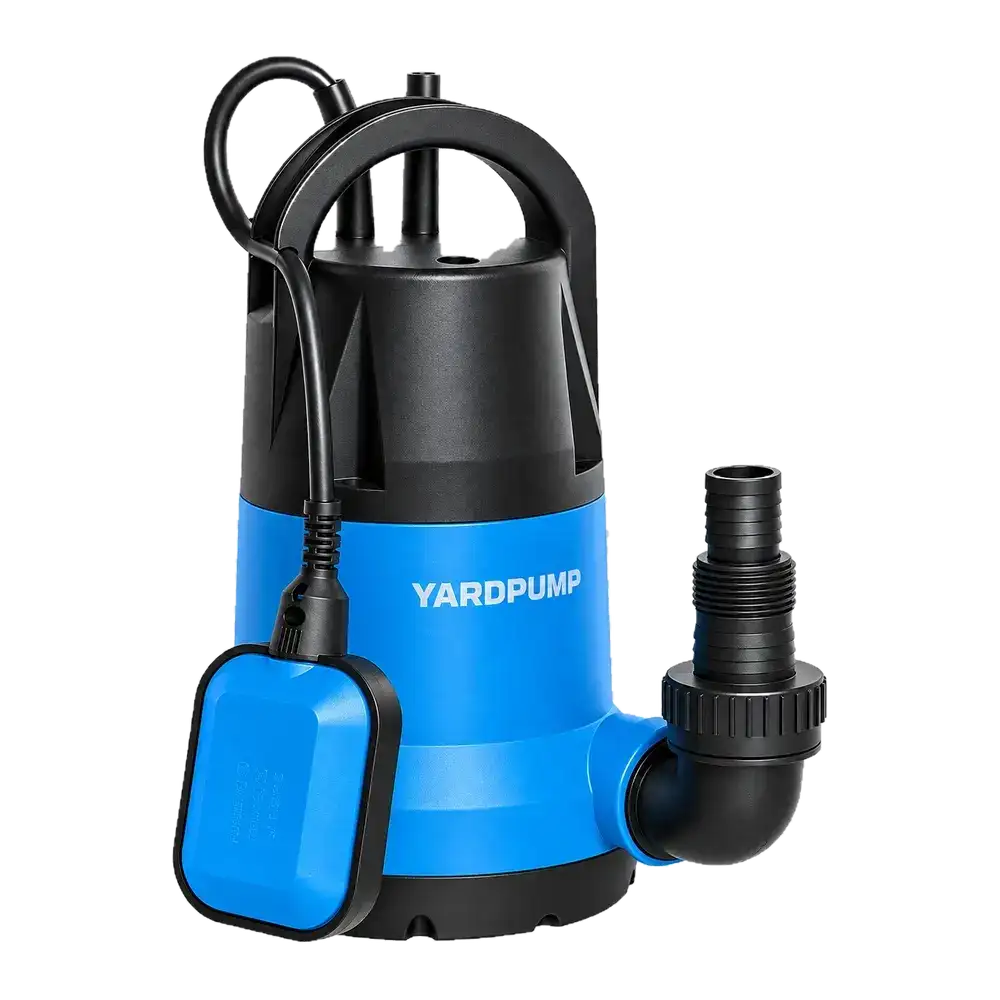
A distributor sells a pump after nine months in stock. When a problem occurs later, the supplier considers its warranty nearly finished while the retail channel believes coverage has only recently begun. In this typical dispute, first establish the starting event, evidence of its date and the relationship between supply and retail commitments. A bare statement of twelve months does not completely define a B2B commercial warranty arrangement.
Four dates describe different events
Manufacture identifies when the unit was produced. Dispatch, receipt and final sale identify other events in the supply chain. Different agreements may use different starting points, but the records should not silently interchange them. A retail warranty card based on sale date does not automatically amend the upstream purchasing contract. Both sides need to identify the event they are actually agreeing to use.
Consider a hypothetical timeline: production in January, dispatch in February, warehouse receipt in March and retail sale in October. If both trading levels write twelve months without a starting event, they may interpret the period differently for the same pump. These dates and duration illustrate the issue only. They do not describe a brand policy, an actual order or a universal market requirement.
Compare commitments across the channel
The distributor needs to understand which customer service commitments are supported upstream and which require its own parts, inventory or cost arrangement. A screenshot of the supplier's period is not a complete description of local sales responsibilities. Conversely, promising a longer but undefined downstream period without evaluating support can create an avoidable service gap. Examine the two arrangements together before issuing packaging or sales terms.
Applicable markets may impose other requirements that need separate review from a commercial warranty. This article does not set a statutory period or draft exclusions of customer rights. Specific responsibilities depend on effective agreements and applicable destination requirements. The parties should obtain an appropriate review rather than draw a legal conclusion from this illustrative timeline. Keep commercial planning distinct from assumptions about mandatory obligations.
| Timing or scope question | Useful record |
|---|---|
| Which event starts the period? | Defined event and corresponding evidence |
| How is extended stockholding handled? | Storage, retesting and service arrangements |
| What happens after replacement or repair? | Unit relationship, action date and applicable terms |
| Is the particular fault covered? | Findings, use conditions and responsibility scope |
A date does not establish the fault's cause
An event occurring within a period does not place every type of damage in the same responsibility category. An expired commercial period also does not remove the need to consider safety, common causes or other applicable obligations. Product condition, supply, installation, liquid, storage and transport evidence can affect the response. A date photograph cannot replace investigation, and anticipated claim cost should not determine the technical diagnosis.
Manage inventory under the prescribed storage conditions and perform suitable pre-sale checks after prolonged storage. A chosen warranty start date does not change the physical ageing of elastomers, cables, packaging or other materials. It cannot replace condition assessment. Whether equipment is suitable for service and who pays for a particular action are related but separate questions. Both should receive an evidence-based answer rather than one being inferred from the other.
Define replacement and evidence-handling arrangements
Specify the applicable period after repair or replacement, the relationship between old and new serial identities and how service records return to the channel. A restart, remaining-period arrangement or another policy should not be decided informally by different salespeople. Establish a reasonable verification route for resale chains, missing purchase dates or damaged identification. That helps avoid inconsistent decisions for otherwise similar service situations.
Collect only the information needed to establish the product and relevant dates, avoiding unnecessary circulation of unrelated personal information. The distributor should be able to explain the required evidence, decision process, responsible party and feedback milestones. A service procedure that can actually be followed is more useful than a long period printed prominently on a carton with no shared understanding behind it.
Questions about warranty timing
Is manufacturing date always the start?
No. Check the actual agreement and applicable requirements. Manufacturing date is one possible piece of timing evidence.
Does a replacement automatically restart the full period?
Do not assume so. Follow the defined arrangement and applicable requirements, linking the old and replacement unit records.
Does unsold stock avoid material ageing?
No. Storage conditions and physical ageing still require management; a commercial period does not replace inspection.