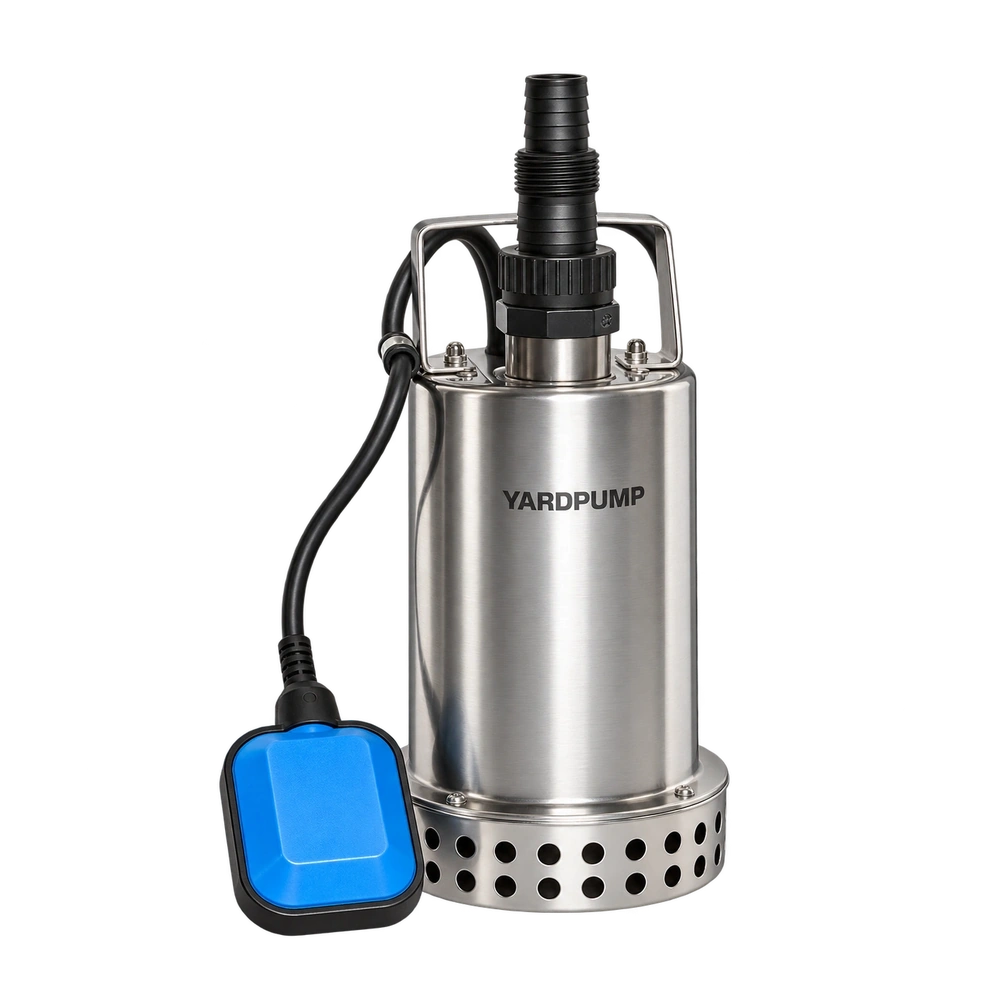
A supplier closes a complaint with “staff retrained and inspection strengthened”. Has the pump problem actually been resolved? The buyer needs to know whether the action addresses a supported cause, operates in production and reduces recurrence risk. Completing a report, implementing an action and verifying effectiveness are different stages. A signature sheet cannot substitute for all three.
Containment is not cause removal
Holding shipments, isolating stock or adding screening can control current exposure without changing the failure mechanism. Detecting an incorrectly positioned impeller does not establish that its locating fixture has been corrected. Sorting a mixed material batch does not prove that receiving and issue controls will prevent another mix-up.
Describe the failure, evidence, scope and known limits before separating temporary and permanent actions. An unconfirmed cause can remain under investigation. There is no need to invent operator error or customer misuse to close a report on schedule. A truthful, revisable status is more useful than a prematurely complete explanation that directs the team toward the wrong solution.
Explain why the action should work
Connect each action to the cause. If location is uncertain, a verifiable positioning feature may address that uncertainty. A reminder to be careful needs an explanation of how it changes the error-prone conditions. Training can be part of the solution, but tools, instructions, material presentation and the workplace must also support the intended behaviour.
Additional inspection needs a suitable method, acceptance rule and demonstrated capability. If the original test cannot detect the relevant defect, applying it to every unit may still miss the problem. Inspection frequency and detection capability are different. More stamps on a traveller do not establish either one.
| Stage | Evidence to examine |
|---|---|
| Cause confirmation | A supported connection between mechanism and symptom |
| Implementation | Actual changes to design, tools, instructions or process |
| Technical verification | Controlled before-and-after evidence supporting the mechanism |
| Sustained effectiveness | Defined subsequent production and field observation |
Include the conditions that trigger recurrence
Imagine an assembly error associated with model changeovers. One day of uninterrupted production on the same model does not adequately test a changeover solution. The relevant transitions, shifts or material states may need inclusion. This is a methodological example, not factory incident data, and it does not require every problem to undergo the same cross-shift programme.
Define samples, conditions, quantity rationale, observation period and acceptance criteria in advance. Electrical-safety, ingress and rotating-strength issues require appropriate competent testing. Do not use risky customer operation as the validation method. If the action changes product design, include the corresponding change-control and applicable compliance assessment.
Silence from customers has limits
No new complaint means little if revised stock has not sold, operating exposure is short or the service system cannot distinguish old and new versions. Identify which units have encountered the relevant conditions and whether reporting is complete. A month without an email is not evidence that the failure probability has become zero.
Controlled testing and field observation complement each other. The test examines whether the action addresses the proposed mechanism. Subsequent information shows how the change behaves in actual use. For rare or delayed problems, state the remaining observation limit rather than asking a report to provide a permanent guarantee its data cannot support.
Close with traceable boundaries
Record the approval owner, implementation date and affected serial or batch boundary, with responsibility for later checks. If the action fails predefined criteria, reopen the analysis instead of repeatedly extending an undefined monitoring period. Removing temporary containment also requires a reason; closure should not silently cancel every protective measure.
For a distributor, the useful result is a traceable distinction between old and revised stock and a specific validation finding. Those facts support stock disposition, customer communication and future purchasing. Report layout and elaborate numbering can make the record easier to use, but they are not evidence of effectiveness by themselves.
Questions about corrective action
Does a training attendance record prove effectiveness?
It establishes a training activity. It does not independently demonstrate cause removal or sustained production improvement.
Can temporary full inspection close the complaint?
Not automatically. Establish detection capability and distinguish current containment from correction of the generating cause.
Is observation still needed after a successful test?
Decide according to risk and mechanism. Delayed or rare failures may require a defined period of further monitoring.