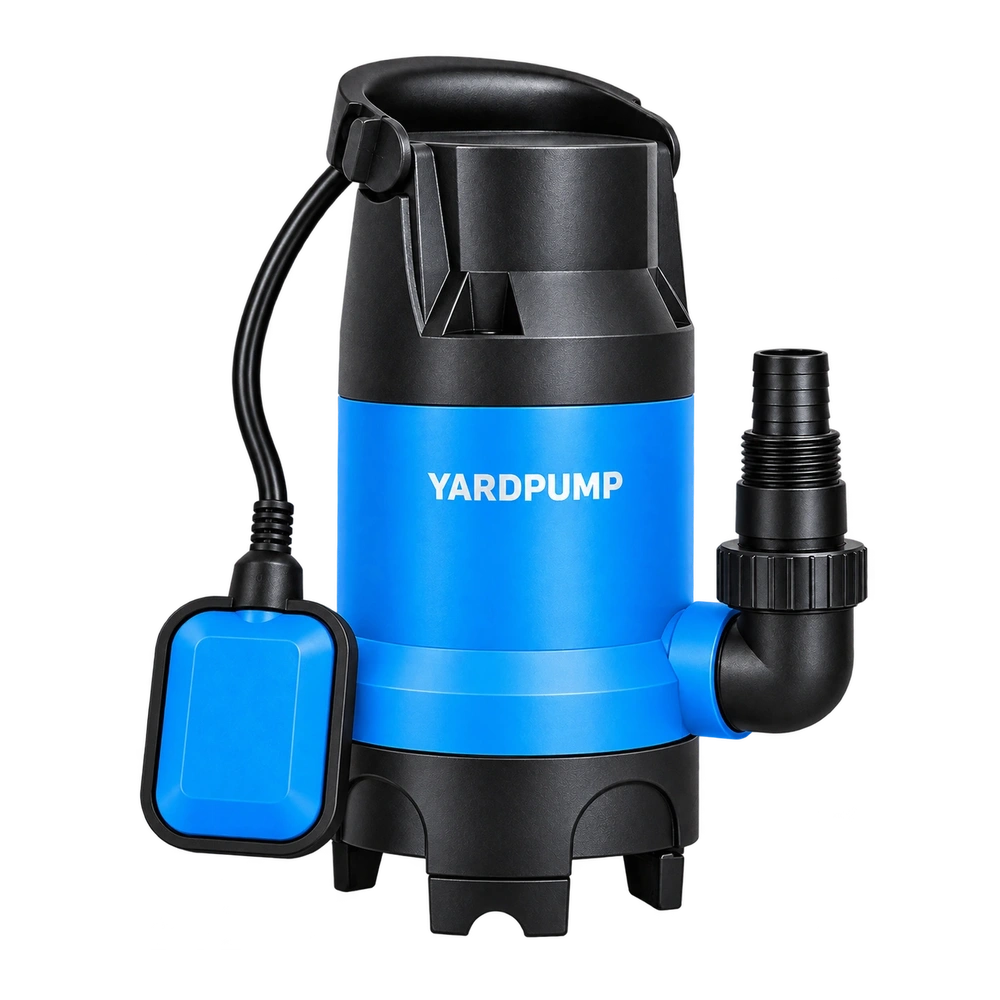
An OEM quotation proposes replacing a metal hose barb with a plastic one. Both are described as suitable for the same water pressure. Can the change be approved on that basis? Pressure containment is only one requirement. Assess the assembled barb, hose and clamp under the actual bending, temperature and sustained-load conditions before releasing the material substitution.
Separate pressure from the other loads
Internal pressure loads the wall and joint. A hose clamp applies external compression. A hanging or tightly bent hose adds force and moment at the barb root. These loads act together, and a component that passes one short pressure test may not retain its shape or seal in the combined installation.
The material name alone does not rank the options. Metal grades and polymer compounds differ. Geometry, ribs, thread form, manufacturing quality and the mating pump outlet also matter. A well-designed plastic component may suit the task, while an unsuitable metal component may not. Approval should describe an exact part and configuration rather than “plastic is weaker” or “metal is always better.”
Check clamp interaction and time
A metal barb and a polymer barb can respond differently to the same clamp torque. Inspect for ovality, local indentation, cracking, hose damage and changes in retention. Use the intended clamp type and its approved installation condition; the available screwdriver setting is not a design specification.
Polymers can deform under sustained load, with behaviour affected by temperature and compound. A leak-free connection immediately after assembly does not establish its condition after a warm storage period or extended service. Conversely, tightening again without an approved method can conceal relaxation and over-stress the part. Agree the conditioning and reassessment sequence in advance.
Build the comparison around the shipped kit
For an illustrative change trial, retain the approved metal version and assemble both candidates with the same specified hose and clamp. Evaluate the required pressure condition, hose support and representative bending. After the agreed exposure, recheck dimensions, sealing and retention. Add the relevant temperature and liquid conditions; do not borrow an unrelated resin data-sheet value as a completed-part result.
The test plan must define loads, duration and acceptance limits from the real application and design. A generic numerical example cannot provide them. Destructive and pressurized tests require suitable guarding and competent personnel. Testing should challenge intended use without exposing operators to a detached hose or failed connection.
Follow the change into stock and service
Record the compound or metal grade, drawing, mould revision, supplier and assembly instruction. Evaluate the connection to the pump as well as the hose end. A more rigid candidate can transfer additional load into the pump outlet; a more compliant one can alter the clamp seal. Neither interface should disappear from the change review.
Update the BOM and spare-part identification after approval. Decide whether old and new versions are interchangeable in both directions and whether the original clamp still applies. Keep unapproved alternatives out of mixed stock. The quoted saving should include any changes in tools, packaging, instructions and service support, not just the unit cost of the barb.
For a YARDPUMP compact drainage kit, current approved accessory records determine the released configuration. This discussion does not state that every family uses a particular metal or polymer. The buyer's decision is to approve a complete connection for defined conditions, with pressure rating retained as one line in that evidence rather than the sole reason for substitution.
Keep the approved connection’s maintenance assumptions visible. A kit intended for occasional disconnection may experience repeated clamp installation, while a fixed assembly may remain loaded for long periods. The same initial pressure result cannot decide both uses. Include the intended number or pattern of service operations in the design review where relevant, without converting a short qualification trial into an unsupported life claim.
Frequently asked questions
Is plastic automatically unsuitable for hose barbs?
No. Its compound, geometry, loads and validated assembly determine suitability.
Can I use the old clamp torque unchanged?
Only where the approved change assessment confirms it for the new connection.
Does an equivalent burst result prove long-term equivalence?
No. Burst performance does not alone assess sustained clamp load, bending, temperature or retention during use.