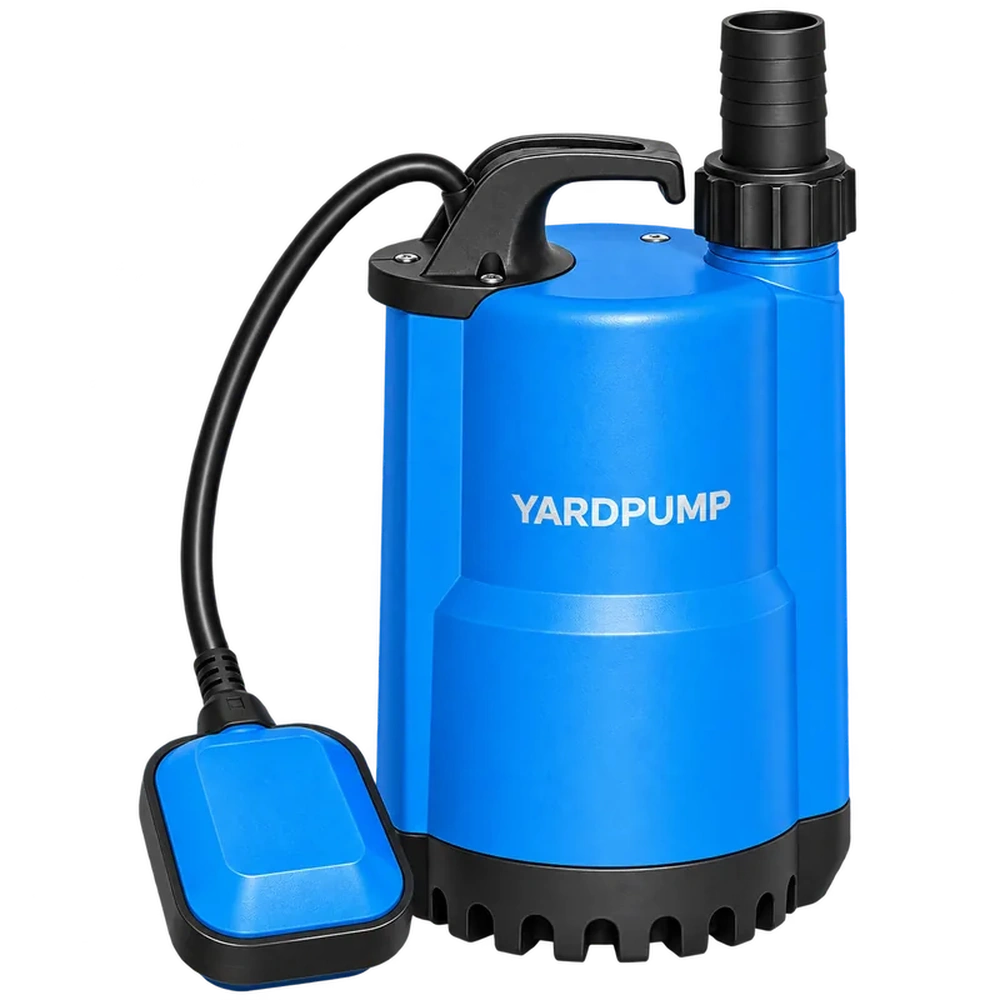
An inspector arrives at a warehouse. The supplier brings several pump cartons to the door, and all samples come from those cartons. The count matches the inspection plan. Is the result representative? Sample quantity is only one part of sampling. Convenient, top-layer or preselected products can replace the actual lot unless its boundary and selection method are defined before testing.
Convenient is not random
Random selection gives eligible items within the defined lot an appropriate opportunity to enter the sample, rather than selecting by appearance, position or preference. Sampling only the nearest pallet can miss production periods, packing lines or storage zones. That can happen without deliberate cherry-picking, but the coverage problem remains.
Obtain the actual carton or pallet list and confirm quantities, versions and lot boundaries. If some products remain unfinished or have already moved elsewhere, identify whether they belong to the proposed acceptance lot. A report should not use the full order as its population while selecting only from an accessible fraction.
Define mixed versions before selection
An order can contain several voltages, internal revisions or production lots. Whether they form one acceptance lot needs agreement. Passing samples from one version does not automatically cover an unexamined version. If positions correspond to known process or time differences, decide whether separate lots or stratified arrangements are needed rather than simply asking the inspector to walk farther.
Stratification and random selection can work together, but changes to the original plan need a reason and record. Buyer-requested suspect samples can also be valuable. Identify them as targeted investigation samples instead of silently mixing them with the random acceptance sample and changing the interpretation of the result.
| Record | Purpose |
|---|---|
| Lot and physical inventory | Defines the products covered by the decision |
| Selection method and locations | Shows how the sample was obtained |
| Serial or carton identities | Supports traceability and later review |
| Replacement-sample reason | Prevents inconvenient results disappearing |
Do not redraw whenever a sample is inconvenient
A damaged package, unreadable label or non-running pump needs treatment under the agreed plan. If that condition is one of the defects being inspected, replacing the sample hides it systematically. If an unrelated issue genuinely prevents a particular test, retain the original identity, reason, substitution rule and effect on the conclusion.
Do not run an informal pretest and then supply only pumps that start for the inspector's performance test. If screening is a formal process, record its scope and results and identify the screened lot undergoing acceptance. Separate stages should not appear as one unexplained random sample.
A coverage example is not a sample-size table
Imagine 200 pumps on ten pallets, with three internally different versions separately marked. If the purchasing objective is to accept each version, first identify their populations and apply the agreed selection method. Taking ten pumps only from pallet one cannot establish that all three versions were examined. The numbers explain coverage; they are not an acceptance standard or a recommended sample size.
Sample counts and acceptance criteria still come from the agreed plan, risk and applicable requirements. There is no universal quantity table here for all pumps or safety characteristics. Sampling also cannot replace an individual check that is required for every unit under the relevant process.
Make the report reproducible
Record warehouse status, population and relevant photographs at selection, with each result linked to its sample identity. For remote inspection, a buyer selecting carton numbers before site staff retrieve them can form part of a traceable arrangement. The inventory must still be complete, retrieval genuine and video limitations understood. Remote visibility alone does not make every selection representative.
When results are abnormal, follow the predefined acceptance, rejection or investigation process. Do not keep drawing until the sample appears satisfactory. A report with honest coverage limits is more useful than a large sample whose origin cannot be explained.
Questions about selecting samples
Can a large sample compensate for convenient selection?
Not reliably. Increasing the count does not necessarily remove systematic selection bias.
Is it unreasonable to inspect cartons the buyer suspects?
No. Identify the targeted investigation and explain its relationship to the random acceptance sample.
Can a failed sample simply be replaced?
Follow the agreed rule and retain the original evidence. Substitution must not silently erase an unfavourable result.