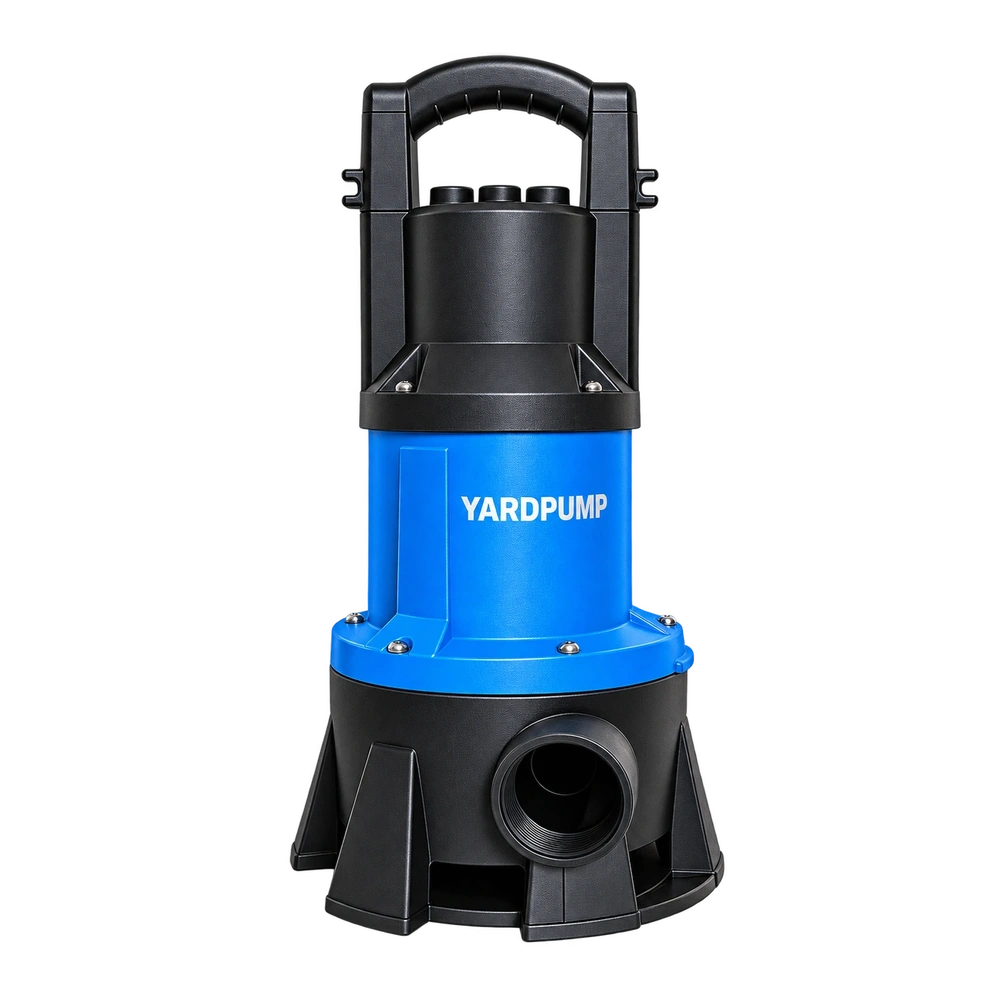
Suppose a plastic-housing submersible pump passed its factory wet test. A distributor installs the boxed adapter on the same unit and water escapes around the outlet. Start by comparing where the test fixture and the supplied adapter actually seal. A fixture that seals on an outer ring may cover or bypass a path that the customer's fitting exposes. The factory result can be accurate for its setup while leaving the delivered interface untested.
Draw the two sealing lines
Mark the wetted area on a section drawing or fixture sketch. A factory fixture may use a pressure pad, external grip or sealing sleeve to connect repeatably. The delivered fitting may rely on a flat washer, internal step or documented thread arrangement. Show the sealing surface, compression direction, pressure side and installed depth for both. The fact that the parts attach to the same outlet, or have the same nominal size, does not prove that they seal at the same position. A thread gauge and an assembled leak check answer different questions.
Also check whether the fixture supports the plastic outlet during the test. A hose can apply a sideways load when installed in the field. Even a fixture that seals on the right face does not automatically cover that load. Check the allowed hose support, gasket and assembly method before treating every failure as a moulding defect or an installation error.
Compare the arrangements on the same specimen
Retain the customer's fitting, washer, unit identity and evidence of the leak. Record where leakage begins, the observed operating condition and any cracking, cross-threading or side load. If there are electrical or enclosure concerns, stop use and arrange qualified inspection. On an approved rig, qualified staff can repeat the factory setup and then the supplied combination at comparable conditions. Do not improvise a pressurized dead-end test or disconnect a live fitting to do it.
Consider an illustrative outlet. The original fixture seals on the outer ring. The user's washer seals against an inner shoulder with a small nick. The outer fixture covers the affected area, while the boxed connection exposes the leak. If the result repeats and a mismatched washer or assembly difference is ruled out, add a check at the delivered interface and examine the relevant mould cavity or process. If both arrangements leak, investigate the body, seal and adapter again. A single example does not identify the cause across a whole lot.
If increasing fixture force makes the symptom disappear, check whether the fixture is also reshaping or centring the plastic outlet. A result counts for the shipped joint only under the specified assembly method. Where the shipped combination is sampled, include the relevant mould cavities and the fitting revisions actually being dispatched.
Release what the customer will receive
Request a fixture coverage drawing that says which inspection verifies the internal pump water path and which verifies the boxed connection. A fixture seal, mould or accessory revision can change that coverage. Reassess the scope and perform the agreed checks when those changes occur. The factory need not replace every production fixture with a retail adapter. It does need evidence for each sealing boundary it claims to have accepted.
If the results differ, record both configurations, how they were assembled and the observation in each. Replacing one returned pump may resolve that complaint. Preserving the fixture and fitting revisions helps prevent the same blind spot on the next shipment and tells the distributor whether to replace an accessory, correct the assembly or investigate the outlet.
Frequently asked questions
Is a fixture that seals more tightly a stricter test?
Not necessarily. It can seal over a path left exposed by the supplied fitting. Compare the actual coverage.
Does a passing thread gauge rule out a leak?
No. A gauge checks defined thread dimensions. The sealing face, washer and installed load still matter.
If the boxed kit passes, does the hose support still matter?
Yes. A test without side load does not establish performance under an unapproved hose load.