A pump manual has been translated into English and laid out to match the original. Is it ready for an importer? In a typical release, the overlooked risk is often configuration rather than grammar. The text must match the actual electrical version, controls and accessories. Fluent translation does not establish technical consistency.
Define the product being translated
A product family may include different voltages, frequencies, plugs, cables, floats and controllers. Accurate translation of an obsolete master document can still send obsolete instructions with a new configuration.
Freeze the master revision and applicable-model list before translation. Identify shared content and variant-specific sections. Each operating limit must map to the relevant delivered product rather than to an undefined family.
Do not combine the highest figures from several models into one apparent specification. Temperature, immersion conditions, duty and minimum operating level need particularly clear applicability. Use approved product information; this article provides no model-specific values.
Review numbers and drawings with the words
Check voltage, frequency, power terminology, flow and head units, decimal marks, ranges and conversions. A grammatically correct sentence can still change a technical meaning if input and shaft power are confused.
Drawings require the same attention. A translated caption does not correct an arrow pointing to the wrong connection. Interfaces, flow direction, controls and electrical arrangements must match the actual product.
| Review item | Question |
|---|---|
| Model and revision | Does the document cover the delivered configuration? |
| Warnings and prohibitions | Are the conditions, actions and consequences preserved? |
| Installation drawings | Do interfaces, directions and control locations match? |
| Numbers and units | Has any value, range or technical basis changed? |
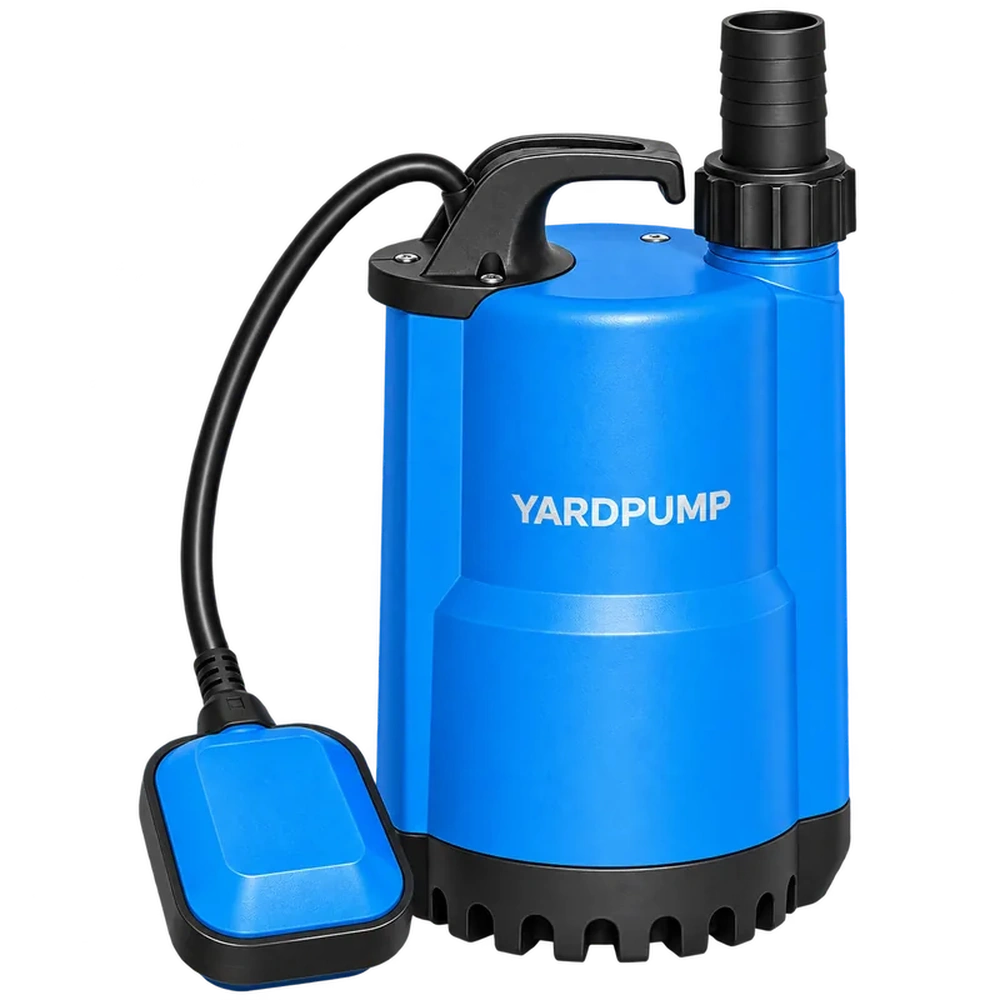
For a hypothetical example, the master describes an automatic float-controlled pump, while the delivered product is manual. Retaining a sentence promising automatic low-level stopping creates a false expectation even if the translation is perfect. Correct the applicability and review it again; a general “actual product may vary” statement is not an adequate repair.
Preserve actionable warnings
A warning should retain the condition that triggers it, the required action and the prohibited behaviour. Shortening “isolate electrical power before maintenance” to “take care” removes essential instructions.
Electrical diagnosis, contaminated liquids and equipment movement can require specific competence. Clearer language must not turn specialist work into an invitation for users to dismantle or test live equipment.
Manual-language and content requirements vary by market. Verify the actual destination rather than asserting that one language is universally sufficient. Technical revision review and market compliance are related but separate responsibilities.
Use complementary reviewers
A translator checks meaning and expression. A technical reviewer checks parameters, actions and drawings. A revision owner checks change history and applicability. All should work from the same controlled file.
Uncontrolled screenshots, chat corrections and printer proofs can otherwise become competing versions. Consolidate approved edits and resolve any conflict before release.
Importers and distributors can identify common user misunderstandings, but changes affecting technical content still need competent review. Back-translation can reveal a meaning shift; it cannot establish that the diagram or electrical configuration is correct.
Create explicit checks for numbers, model identifiers and warnings. Merely reading the document for natural language quality is unlikely to catch every technical mismatch.
Connect document release to product changes
The approved manual should carry a revision, date, applicable-product list and release record. Printed copies, electronic files and service downloads should refer to the appropriate approved version.
A controller or accessory change may require a manual change even if the external casing remains the same. Assess operating-limit changes in the same way.
Where old inventory and new documents coexist, identify which production batches use which revision. Warehouse staff should not select an arbitrary available booklet. Public product information should remain consistent with the approved configuration.
Website languages and product instruction requirements need separate review. An English product page does not establish that the delivered manual meets every destination’s language and content obligations. The importer should confirm the applicable requirements for the actual market.
Frequently Asked Questions
Can a grammatically correct translation go straight to print?
Not before technical consistency, configuration applicability and destination requirements are checked.
Can several models share one manual?
Potentially, provided differences and limits clearly map to each model rather than mixing maximum values.
Does back-translation replace technical review?
No. It tests aspects of meaning, not agreement between the document, drawings and actual product.