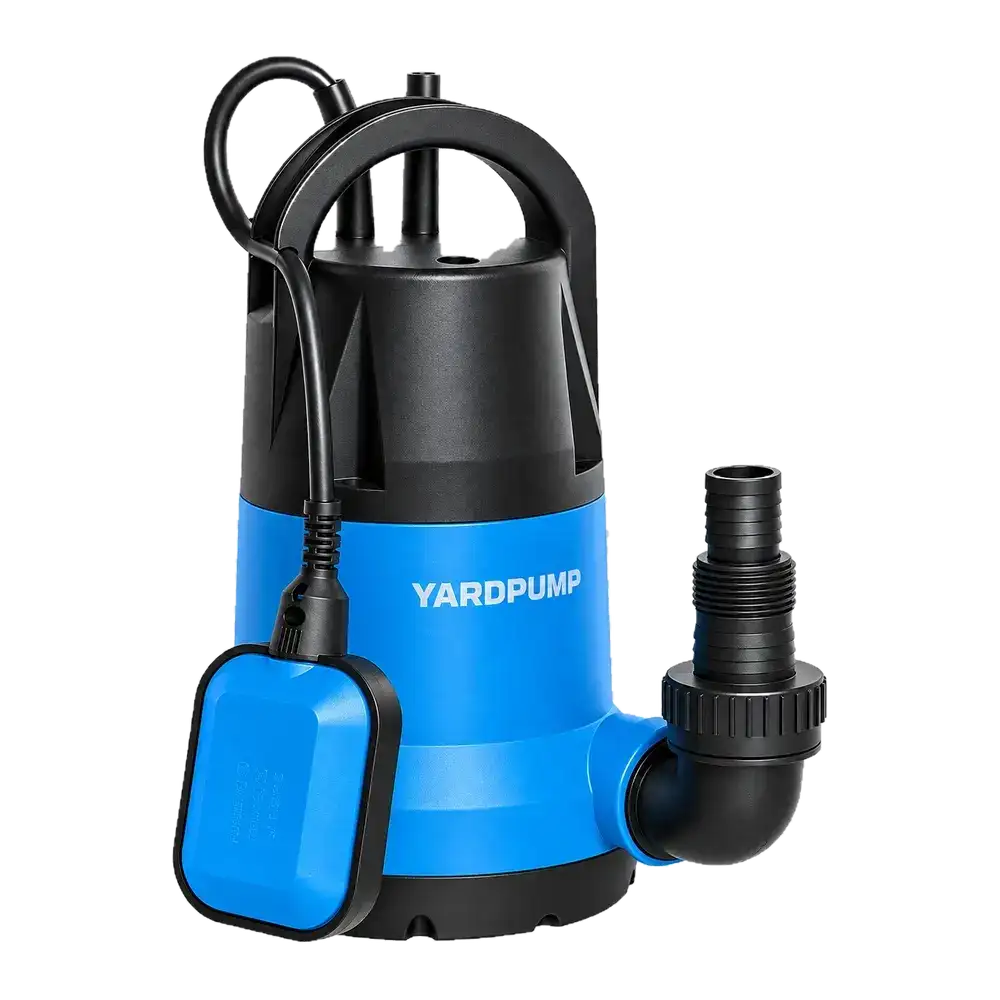
A distributor orders two lookalike pump variants for a single container: one for a 50 Hz market and one for a 60 Hz market. Both carton labels were printed correctly. What stops the wrong pump from going into either carton? Build the release around the actual electrical variant, the unit serial and its test record. A barcode scanned only from the outside of the box can verify the box label while missing a mispacked unit.
Establish variant identity before packing
Create distinct order lines and internal variant identifiers. Record voltage and frequency along with the relevant motor, impeller, plug or controller revision for that order. Frequency is one part of the approved configuration. Do not infer it from a plug shape or from physical appearance. A nameplate claiming both frequencies must be backed by the actual approved dual-rated configuration and its stated conditions; do not add a dual label to solve a warehouse problem.
At production, tie the installed motor or variant-controlled assembly to a serial or lot record. Store the test rig’s actual settings and results against that identity, not just a handwritten frequency on the carton. The test should be the approved one for the ordered variant. A short run on the wrong supply is not proof of a correct variant and may expose the equipment to an unapproved condition. Where component lots are shared or labels are applied after test, confirm which record makes the link between assembly, test and final nameplate.
Verify what went into each carton
At packing, record or scan the unit identity and match it against the order variant and carton code. If accessories or instruction packs vary, verify them at the same point. Physical separation and distinct staging labels reduce the chance of mixing, but the verification still needs to compare unit to carton. Tie cartons to pallet and container position, and retain counts by variant. If a unit is repacked, remove the stale association and record the replacement carton. The shipment record should not show the same serial in two places.
In an illustrative order, a packing station scans a carton coded 60 Hz. The serial on the unit maps to a released 50 Hz build and its recorded test settings. The station holds the unit, then reconciles the neighbouring cartons and the point at which work in progress was mixed. Relabelling the outer carton without checking the order and product marking could move the error rather than resolve it.
Give receiving and service the same verification path
Provide a serial or lot mapping by carton and pallet so the receiver can spot-check the physical nameplate against the shipment record. Decide in advance what mismatch triggers isolation and whether the affected cartons can be bounded by the packing log. If mapping is missing or inconsistent, hold a wider group until reconciled. Do not energize a questionable unit on a guessed supply to identify it. Have authorized personnel check the physical and controlled records.
Keep old markings, replacements and corrections traceable so that support can confirm the expected version later. This process prevents a more expensive problem than a warehouse picking error: a unit reaching a user with the wrong electrical or hydraulic configuration even though the paperwork looked consistent.
Check the mapping in both directions. Pick a carton and trace back to the unit and test; pick a released serial and trace forward to its final carton. The second check can reveal duplicate assignments or a repack never recorded in the shipment list.
Frequently asked questions
Can separate carton colors replace serial mapping?
They help people see a difference but do not establish which unit is inside. Use them as an additional visual check.
Can I infer the frequency from the voltage or plug?
No. Verify the actual model rating and approved configuration.
If one carton is wrong, should all stock be held?
Isolate the affected range supported by the records. Widen the hold when the mapping cannot bound the error.