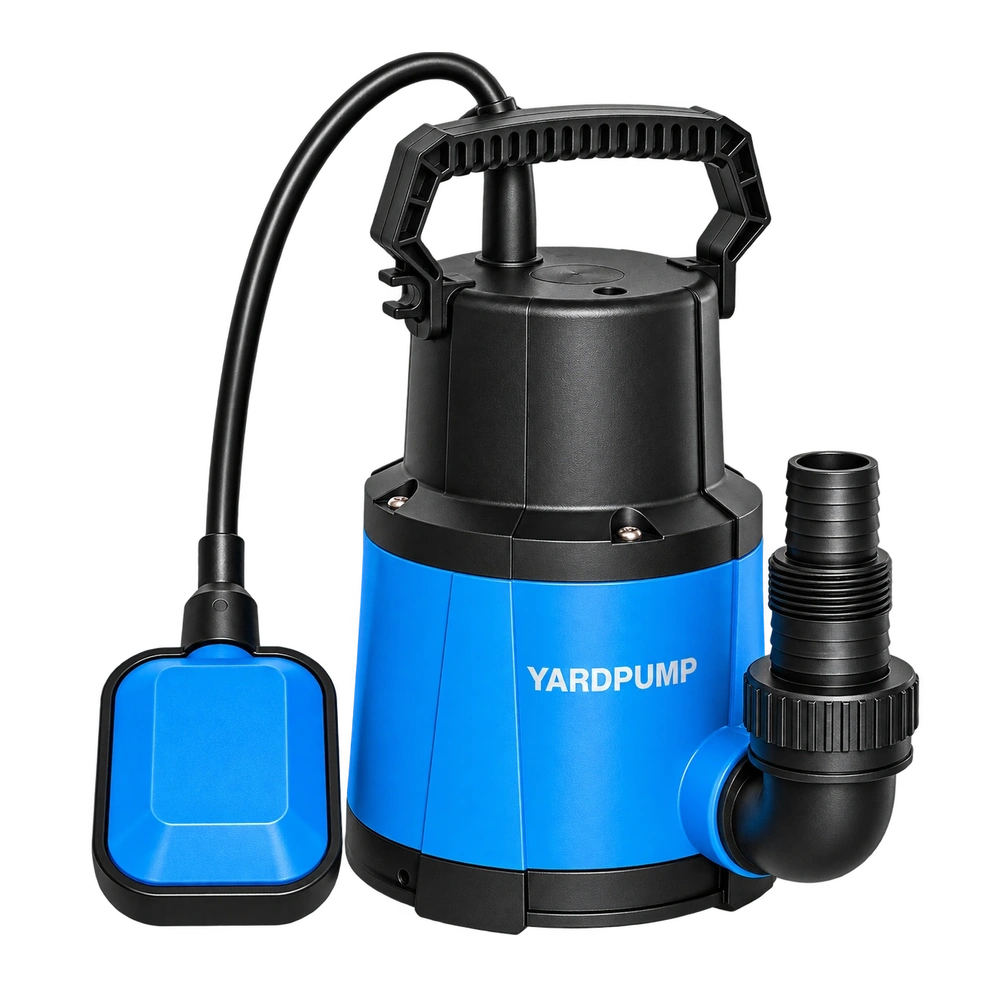
Suppose three cartons of clean-and-dirty-water pumps arrive stained. One high corner is wet and two boxes below show discoloration along their sides. Counting three stained cartons as three leaking pumps gets ahead of the evidence. Start with the pallet as received. Look for a continuous path from inside a package, or for transfer through external packaging, pallet boards or neighbouring freight. Check the exact pump construction before assuming that the suspect item even has an oil chamber.
Map stains before moving the cartons
Give each carton a position on a quick sketch. Record the layers, which side faced the delivery door, and whether each mark lies inside or outside the wrap. Photograph corners, flaps, seams and contacts between boxes. Gravity can carry liquid downward. Corrugated board and packaging pads can wick it across a surface, and pallets may tilt or be restacked in transit. The darkest and largest stain can therefore be away from the starting point. Preserve the relationship between marks instead of labelling the darkest carton as the source.
Treat an unknown spill or an electrical hazard under the site’s isolation procedure. Do not touch unidentified liquid or energize affected pumps. Once cleared for safe inspection, separate suspect cartons onto clean containment. Inspect their layers in order: outer carton, outer side of the inner bag, inside of the bag, support inserts, and finally the pump as received. A wet trace running from the area of a service plug toward the adjacent bag and carton corner gives the service team a place to start. A dry interior and a mark only on the face touching another carton suggest transfer. Neither observation establishes what the liquid is.
Keep three dispositions available
In an illustrative inspection, carton A is above two other boxes. It has a mark around the service-plug area and on the inside of the bag. Carton B directly below has staining on its top and the outside of its bag. Carton C has a sideways line on an outer corner beside the pallet deck but a dry bag. Put A in the suspected source group. Keep B and C segregated for an external transfer assessment. Do not enter “three pump seal failures” on the receiving record. An approved service or quality team can compare the actual model construction, preserved samples and its prescribed sealing checks. If the substance cannot be identified, record that uncertainty.
Separate the product decision from the carton decision. A pump may be unaffected while the outer packaging has lost strength, the label cannot be read, or the inner bag has been compromised. Evaluate each against the approved receiving criteria. An unaffected comparison carton from a different position can help test the transfer theory; it does not turn the worst marked cartons into a representative sample of the shipment. Do not wash the unit first, turn the service plug or open a chamber to see whether it still contains oil. Those actions erase useful evidence and change the state in which the unit was delivered.
Give receiving staff a repeatable record
The photo sequence can fit on a card: pallet before unloading; position and orientation; first view under the flaps; packaging layers; pump label and serial or lot. Retain relevant parts in the condition received and record receiving, movement and discovery times. If the investigation establishes a source, define the suspect production population by configuration and lot. Handle cartons exposed to the spill separately. The dispositions could include a packaging replacement, authorized retest, return, or a wider hold. None of those decisions requires turning the number of stained boxes into a product failure rate.
Frequently asked questions
Can I wipe the carton and wait to see if the mark comes back?
Record the original pattern and packaging layers first. Cleaning can be part of a later controlled test, but it cannot recover what was visible at receipt.
Why are all the stains on one side of the pallet?
Liquid can travel along tilted boards, wrap and absorbent paper. Or the source may be on that side. Tie the marks to individual carton layers before deciding.
Can a unit with a clean inner bag go straight back into stock?
Check the integrity of the packaging, product markings and any applicable hold before release. A clean interior is relevant evidence, not the whole receiving decision.