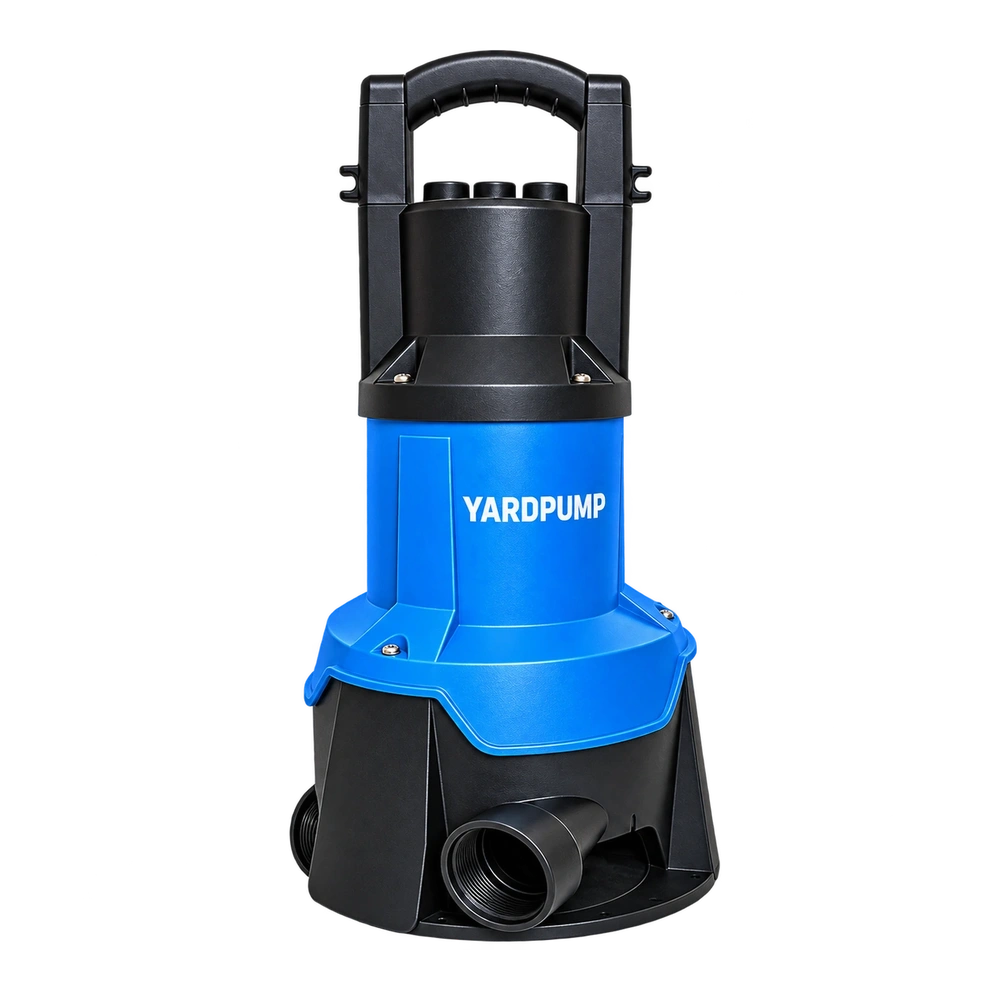
The product photograph shows a float switch, but the quotation does not mention one. The delivered pump is the manual version. Which information should control the purchase? Establish the relationship among images, configuration list and approved sample before ordering. Buyers infer features from visible accessories, while a photograph alone cannot define the complete shipment.
Images may combine several identities
A family can use a shared hero image, separate accessory photographs, application scenes and illustrations. Without clear relationships, the float, plug, adaptor and hose shown may be interpreted as included equipment.
A small “image for reference” note does not replace an understandable statement of what is supplied. Separate standard equipment, selectable configurations, separately sold accessories and scene items outside the order.
Control features deserve particular care. A photograph showing a float can suggest automatic starting and stopping. That distinction should not exist only in an internal BOM unavailable to the buyer.
Link visible features to the configuration
Give the final image set a controlled identity associated with model, colour, electrical revision, control arrangement and accessory list. Not every detail can be photographed clearly, but important differences need corresponding product information.
After a revision, assess the images as well as the written specification. A text update alone may leave a prominent visual promise unchanged.
Consider a hypothetical housing offered in manual and float-controlled versions. Both use the same float-equipped main image. Different prices do not necessarily resolve the distinction if image and option mapping remain unclear. The example illustrates information control rather than a reported order dispute.
| Visible feature | Corresponding record | Buyer should establish |
|---|---|---|
| Float or controller | Control revision and function | Inclusion and supported behaviour |
| Plug and cord | Electrical configuration | Market version and length definition |
| Outlet adaptor | Accessory and interface information | Thread, size and quantity |
| Scene hose or equipment | Scene description and packing scope | Whether included in the order |
Application scenes still need technical truth
Water level, float position, hose connection and outlet direction affect how readers understand operation. Image editing should not change components, connections or proportions to imply an unverified function.
An illustration should remain recognisable as an illustration. It should not present a conceptual arrangement as a photograph of the supplied configuration.
Internal materials and performance cannot be established from appearance. A picture may identify visible equipment, but cannot prove shaft grade, elastomer compound, power or seawater suitability. Those claims need their own evidence.
Approve more than the main photograph
Review the final image set with specifications, packing list and sample identity. Record publication date and effective revision. Marketplace thumbnails, detail images and selectable-option pictures should represent the same approved arrangement.
Updating a hero image while leaving an old accessory thumbnail can preserve the original confusion. Check the actual surfaces a buyer sees rather than only the source file held by the marketing team.
For a later dispute, retain the listing and confirmation that existed when the order was placed. A subsequently edited page cannot demonstrate what the buyer originally saw. Optional equipment should be identified during the purchasing decision, not explained only after arrival.
Check in both directions
Shipping inspection can include the important visible features represented in sales information, alongside the physical specification and packing list. Image changes should also prompt review of old stock and service documents where relevant.
Do not erase earlier image history when creating a new revision. An old order still needs its original basis even after the current website improves.
Good photography can reduce communication effort, but only becomes reliable purchasing information when connected to configuration identity. This article does not imply an existing YARDPUMP image discrepancy or treat photographs as evidence for every technical parameter.
Frequently asked questions
Does “image for reference” remove the need for an accessory list?
No. Shipment scope and important configuration differences still need clear definition.
Is a hose in an application scene necessarily included?
Do not infer inclusion. Check the explicit packing scope and accompanying description.
Can different voltage versions always share one photograph?
Assess visible plug, label and other differences, and map images clearly to selectable versions.