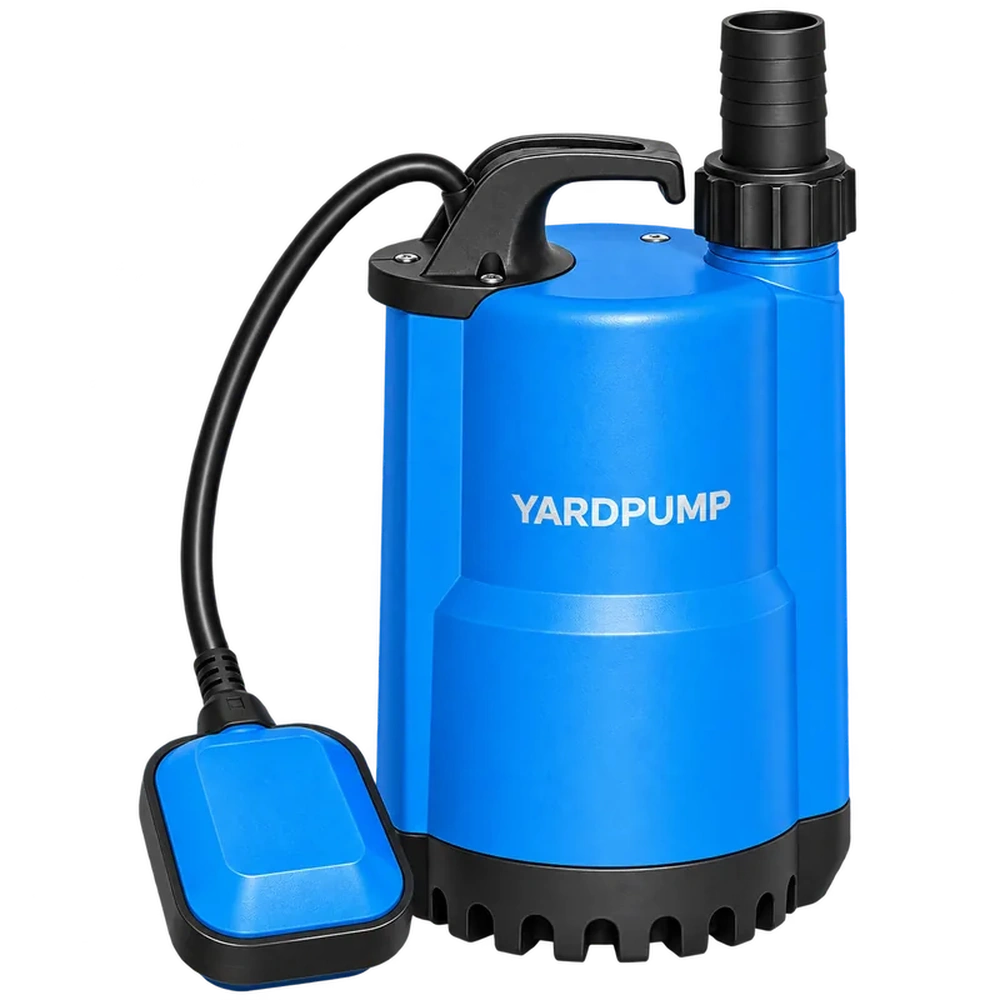
A pump lot fails inspection. The supplier replaces the affected samples and tests them again until they pass. Can the shipment now be released? Start with the agreed sampling decision and rejected-lot procedure. Repairing samples does not establish correction of the lot, and resubmission should not erase the original result.
Separate an unfinished plan from a rejected lot
A predefined multiple-stage sampling plan may call for additional samples after its first stage. The combined result is then judged under the original rule. That differs from repeatedly selecting new items after rejection until a favourable result appears.
Define the decision process before inspection rather than changing it in response to an inconvenient outcome. If the applicable plan already produced a nonacceptance decision, retain the defect classification, sample identities and original observations.
Whether correction and resubmission are permitted, and how reinspection proceeds, should follow the responsible parties' agreed risk-based arrangement. One repeated test cannot independently cancel a lot decision.
Correct the affected population
Assess common causes and the potentially affected stock, work in progress and related batches. Where screening, rework, replacement or another action is appropriate, define its coverage and decision criteria.
Not every defect can be resolved through visual sorting. A safety-related uncertainty should not be left to the chance that another sample will look satisfactory.
For a hypothetical packing defect, one sampled pump lacks an accessory. Adding the accessory to that carton fixes the specimen. It does not establish that the remainder of the lot has been checked or that the packing process is controlled. This example does not define a sample size or acceptable defect level.
| Stage | Preserve | Avoid |
|---|---|---|
| Original inspection | Defects, samples and nonacceptance | Deleting failed observations |
| Correction | Coverage, method and outcome | Fixing only sampled pumps |
| Resubmission | Lot identity and changed condition | Reusing an unrelated passing report |
| Reinspection | Preapproved method and decision | Sampling repeatedly until success |
Give the resubmission a clear identity
Retain the relationship to the original lot while identifying correction status, quantity and date. Show which units were processed, which await action and how dismantled samples are handled.
Do not disguise the history by assigning a new identity that breaks the original connection. Equally, corrected products should not return to a shipping area without an identifiable release status.
If correction changes configuration or a critical process, obtain the relevant assessment and approval. A concession, repaired item and ordinary conforming product are not interchangeable descriptions. Any accepted deviation needs bounded scope and authority rather than a new label that makes the problem disappear.
Agree reinspection before the event
Specify which defect categories reinspection covers, whether other requirements must also be checked, the sampling or full-inspection method and the response to another failure. Targeted verification may be appropriate, but repeated readings on the same units must not be presented as additional independent samples.
Clarify buyer, inspection-body and supplier responsibilities and who can release the shipment. Link the first report, correction evidence and reinspection report so receiving and after-sales teams can understand the final decision.
A final green report without that history explains much less than a controlled sequence showing what changed and why acceptance became justified.
Ask for a closed evidence chain
A useful release conclusion states why the original lot was not accepted, which population received which action, who approved the reinspection and which quantity was ultimately released.
Sampling does not guarantee that every individual pump is defect-free. Successful correction also does not rewrite the fact that an earlier nonconformity occurred.
This is a general purchasing framework. It does not prescribe a particular current standard's sampling table or imply a YARDPUMP lot-quality statistic. Confirm the applicable plan and contractual conditions separately.
Frequently asked questions
Is a second sample under a double-sampling plan improper resampling?
Not necessarily. If predefined within the same plan, combine and judge results under that plan.
Does one defective pump require reworking every unit?
Not universally. Assess risk, common cause and the agreed disposition process.
Can the first failed report be deleted after acceptance?
It should remain linked to correction and final release evidence.