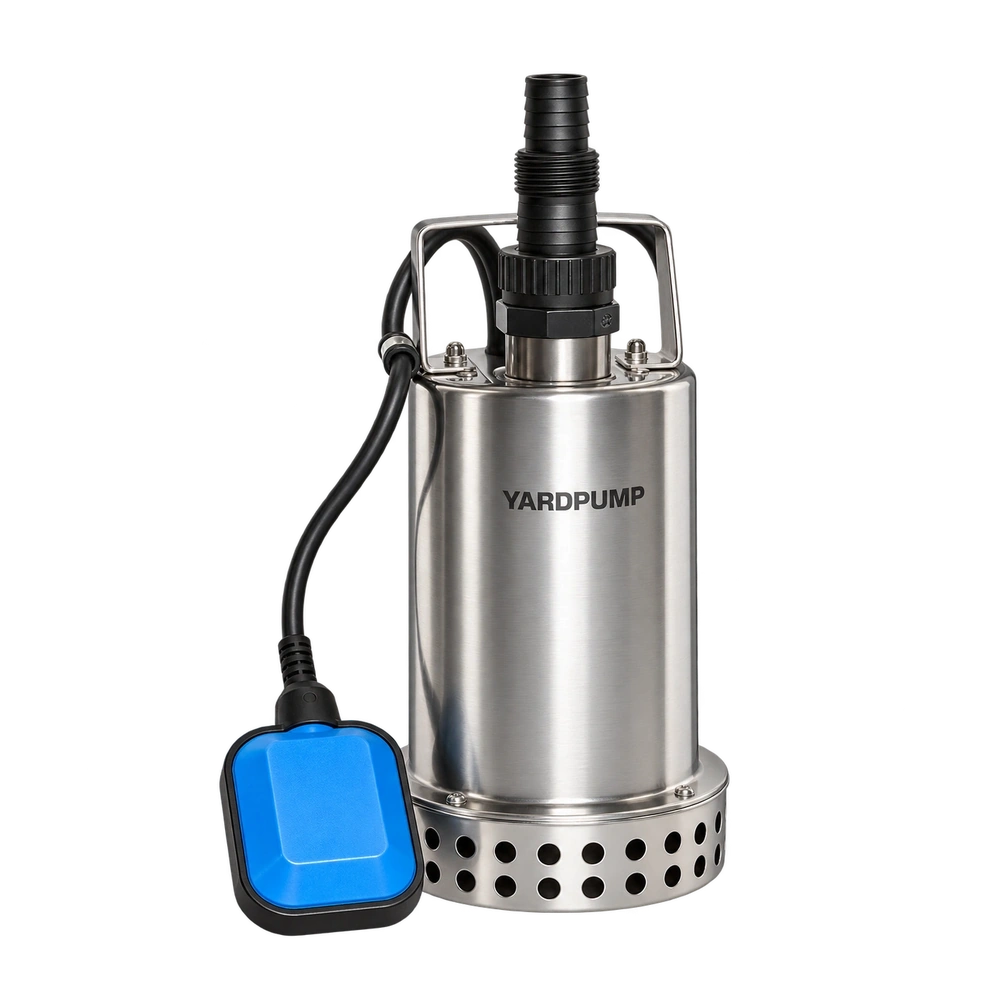
Three repaired utility pumps are reported to leak at one service bench. They have fresh seals, and the failure appears at the same connection each time. Before rejecting the new seals, confirm that the bench can pass a known intact reference under the same test conditions. A test adapter, its gasket or a hose can leak into the place normally watched for a pump leak. A pressure decay in a combined volume cannot, on its own, tell you on which side the loss occurred.
Draw the boundary of what was actually tested
A service bench can include a test plate, connecting tube, instrumentation and a closure in addition to the pump assembly. Circle the product seal on the drawing, then mark every bench seal in the measured circuit. Identify whether the result is a visible droplet at a recorded origin, a pressure change or leakage into a monitored cavity. Water can track along a fixture face before it drops from the pump side. A flexible line can expand and a temperature change can shift a reading. Record these possible contributions without treating them as confirmed sources.
Ask whether the pumps share a seal lot, housing revision, repair operator or installation sequence. A common bench reading can still be a true recurring defect. The outcome can also be an interaction: a worn adapter may seal against one housing revision but not another. A single successful check on a different chassis does not verify the failed combination. Select a reference that exercises the same fixture interface and test method and has its own maintained acceptance record.
Cross the unit and the test station
A qualified service team should use the established test procedure, protected equipment and specified pressure or water condition. Do not increase test pressure, perform a pneumatic substitute, or energize a compromised pump to make a leak easier to see. Any hardware changes require safe isolation and verified release of stored pressure. Do not wipe, reassemble or modify evidence until the original state has been recorded.
Check the bench with its verified closure or other reference method, then use an approved pump reference and the suspect unit on that bench. If a second approved setup can run the same procedure, test both units there as well. Match fixture connection, temperature, stabilization time, cycle and sample orientation. Note any change in the actual observation point. Repeat the reference near the end so a temporary drift in the bench does not get missed.
An illustrative result: the reference and repaired pump both show the same loss on station A. Both pass using an equivalent approved station B, and the A adapter alone fails its fixture check. Those findings support isolating station A and the affected results. If the repaired pump fails both while the reference passes, continue on the product. If only the combination of a certain chassis and A fails, investigate interface fit and test repeatability rather than declaring either part sound. There is no permission to release a unit on the basis of a comparison run alone.
Separate the repair decision from the equipment decision
Keep suspect units on hold under the repair process and tag the fixture. Record the last known good verified bench result and which serials, adapter revision and operators used it since. A repaired bench needs a new reference check before it can retest the affected population. If an actual leak is observed, preserve location and conditions for teardown; replacing the same seal repeatedly can destroy useful evidence and hide an assembly or housing problem.
Release a repaired unit only after the applicable product and electrical safety checks under the approved procedure. What you are deciding initially is whether a failing signal belongs to the pump, fixture or interaction. A log containing the four crossed runs and the verified next steps is more valuable than a sequence of unexplained repeat failures.
Frequently asked questions
Does a stable pressure gauge prove that the fixture is sound?
It is one useful observation under defined conditions. Confirm the reference and interface that matter for the actual failure mode.
Can the same failed unit serve as the reference after another seal change?
Use an independently verified reference. Reworking the suspect unit makes the original comparison harder to interpret.
Why retain failed-run records if the bench was at fault?
They identify which previously inspected units may need review and preserve the basis for correcting the test process.