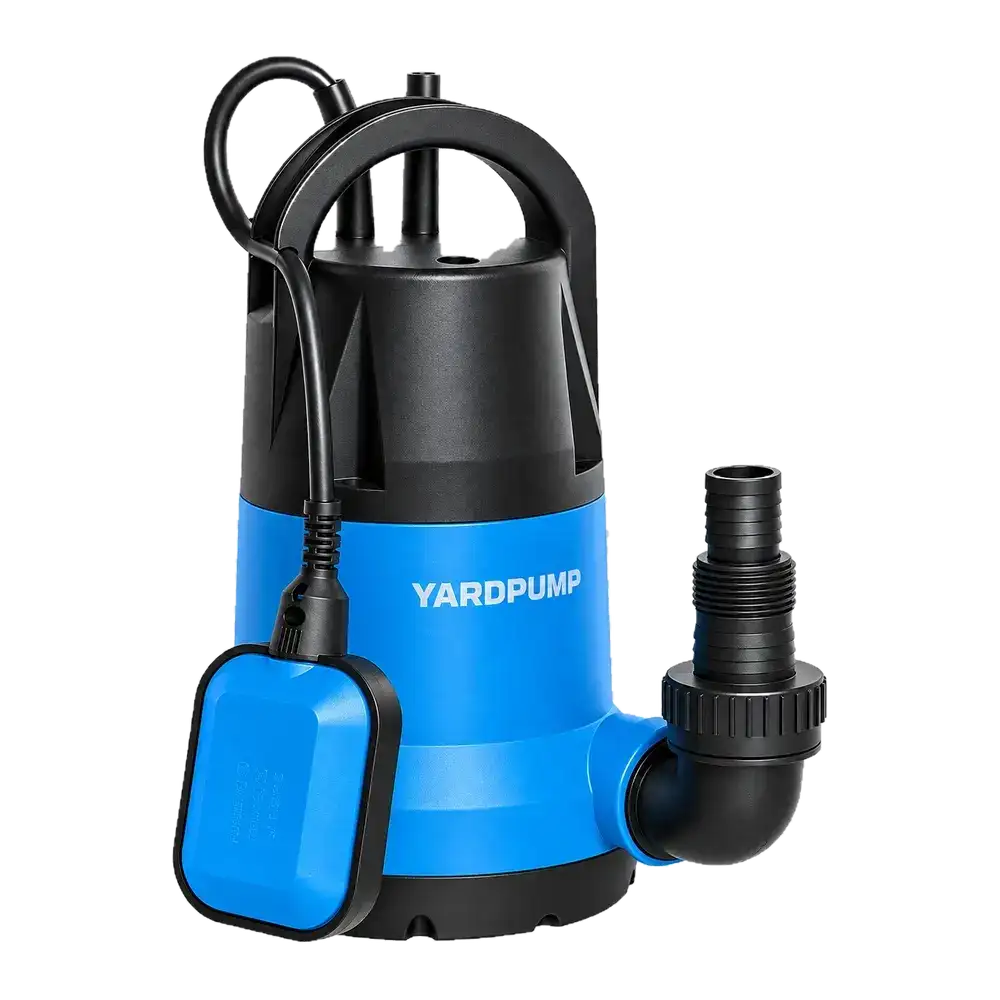
The impeller supplier specifies clockwise rotation. The motor supplier also specifies clockwise. Why do the parts disagree when assembled? They may be viewing the shaft from opposite ends. Purchasing documents should define the observer position and sightline on a controlled drawing, then make the motor, impeller and assembly documents refer to that same definition. “Forward rotation” alone is not a complete requirement.
An arrow needs a viewpoint
Looking along a shaft from one end reverses the apparent clockwise description compared with looking back from the other end. Neither supplier necessarily has a technical defect; the coordinate reference may simply be missing. A mirrored photograph, reversed drawing or unclear camera position can add further ambiguity. A circular arrow in a chat message does not define the whole interface.
Use a section or axial sketch showing where the observer stands and where the observer looks. Wording such as viewing from a specified motor end toward the impeller must correspond to labelled endpoints on the actual drawing. “Viewed from above” can become ambiguous if the product is laid down or illustrated in a different installation orientation.
Separate three different movements
Actual shaft rotation, the impeller's intended direction and the complete pump's starting reaction are not interchangeable descriptions. Some manufacturers specify a starting-reaction method for checking direction under defined conditions. That method belongs to the particular product and its safety instructions. A sentence taken from another pump manual is not a universal test procedure.
Purchasing verification should not require a person to hold the pump during starting or run it dry for an extended period. Qualified personnel need an appropriate, controlled method. Relate the observed movement to the controlled drawing arrow. If no permitted observation method is supplied, request it rather than removing protection to make the rotation visible.
| Document or object | Definition to keep consistent |
|---|---|
| Motor drawing | Specified viewing end, permitted direction and revision |
| Impeller drawing | Inlet side, vane geometry and design arrow |
| Assembly instruction | Direction relationship between motor and impeller |
| Housing or label marking | Agreement with the assembly definition and operation |
Make direction an inspectable interface
At quotation stage, request confirmation of drawing number, revision and observation reference. Cite the same definition in the order. At sample approval, identify the motor, impeller, casing and retaining parts, with the method used to verify direction. An arrow retained only in an inaccessible supplier drawing leaves the next replacement-part order exposed to the same misunderstanding.
This matters when a general-purpose motor and an externally sourced impeller are purchased separately. Each part may conform to its own drawing while the pair remains incompatible. Review casing passages, axial location and retention as well. Release the combination through complete-pump validation, rather than assuming two component approvals establish a suitable assembly.
Resolve a discrepancy before spreading it
Imagine a sample pumps satisfactorily but its drawing arrow disagrees with the reported observation. Do not simply erase the arrow or change a purchasing spreadsheet to “reverse”. Check the viewing position, possible mirroring, mixed revisions and the configuration associated with the performance curve. Locate the error before revising the linked documents through change control.
If production or stock already exists, identify the affected versions and scope. An incorrect marking and an incorrectly rotating physical assembly can require different actions; relabelling is not an automatic solution. This is an illustrative document-control scenario, not a report of a company order incident. Preserve the investigation so later teams understand what was corrected.
Give service teams the same language
Distributors need the reference when selecting parts and investigating operation. Service drawings, spare-part illustrations and installation instructions should therefore use the same endpoints and viewpoint. When forwarding an enlarged detail, retain those labels. Cropping everything except the arrow can recreate the ambiguity that the controlled drawing resolved.
A clear rotation definition reduces repeated questions across quotation, assembly, acceptance and service. The practical objective is a shared physical reference, not another unexplained abbreviation in the order.
Questions about rotation specifications
Does forward automatically mean clockwise?
No. It often means the intended design direction, which still needs a viewing end and drawing reference.
Is an arrow moulded into the impeller sufficient?
It helps, but the viewing side and agreement with the complete-pump and motor documents still matter.
Should workers immediately swap wires after a disagreement?
No. Establish the actual configuration first. Qualified personnel need the correct circuit and manufacturer's procedure before electrical changes.