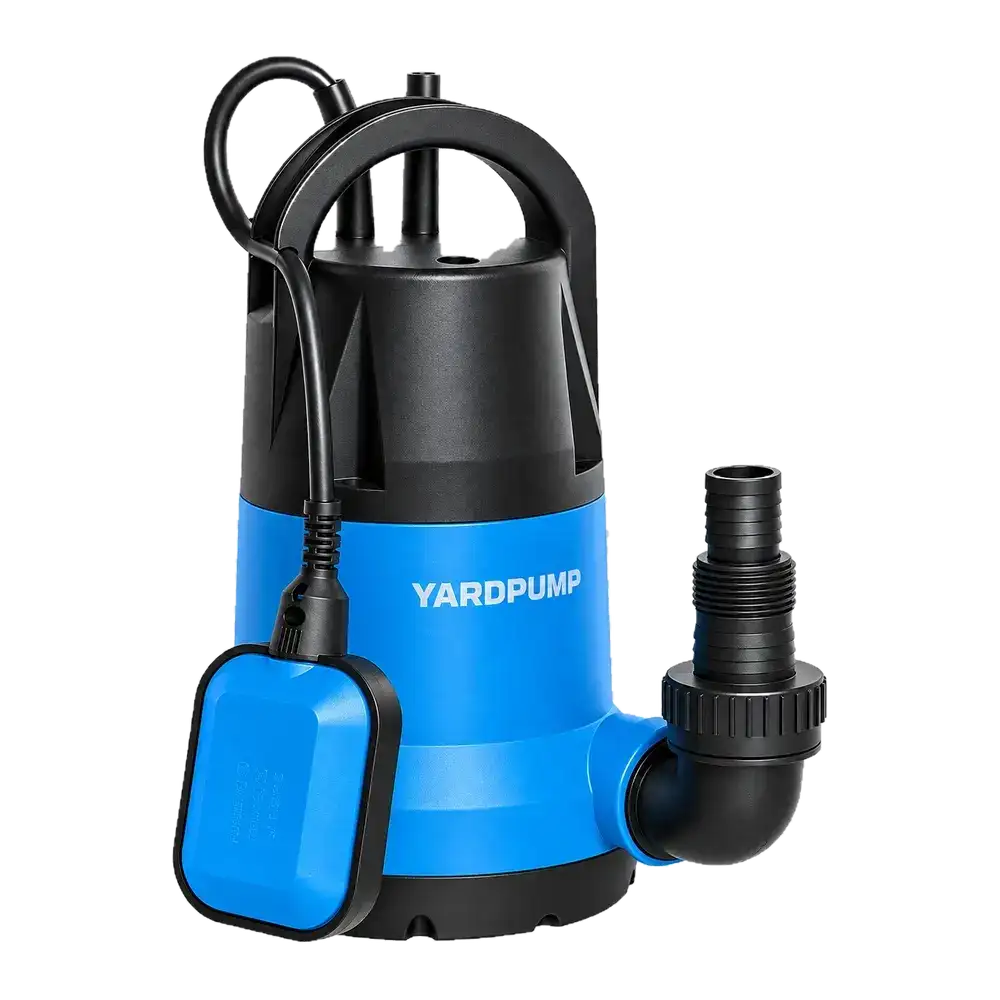
For an illustrative incoming inspection, suppose this happens. A supplier's demonstration pump has spent weeks in a test tank. New production pumps are unpacked and immediately compared with it. If their first flow readings differ, is the batch defective? The comparison is incomplete until the starting states are known. Wetting, air removal, temperature, seal contact and material condition can differ. Agree what preconditioning is allowed, and preserve the distinction between first-use behaviour and performance after that treatment.
Define the condition the order promises
An as-received check asks how the supplied pump behaves under the prescribed first-use setup. A conditioned performance check asks how it behaves after defined preparation. Neither can silently stand in for the other. The buyer may need both: acceptable starting and delivery after the published installation steps, followed by stable performance at the agreed duty.
Do not call an arbitrary period “normal run-in.” Identify its purpose, liquid, water temperature, level, duration, operating point and stopping limits. Some preparation simply removes trapped air or establishes thermal conditions. A prolonged run that changes rubbing surfaces or conceals a starting problem has a different implication. Approved factory conditioning also needs to match the product's stated delivered condition.
Separate stabilization from an unexplained improvement
Consider an illustrative comparison. A retained sample has already run for 20 hours; the new units have only completed a brief factory check. Both are placed at the same head. The sample's earlier exposure does not prove why a difference exists. Record first delivery, stability and electrical readings, then apply the same approved preparation to the compared units if that is the agreed acceptance method.
If a pump needs intervention beyond its instructions before it starts delivering, keep that observation as a separate issue even if its eventual stable point passes. Do not reset the record at the moment the number becomes attractive. A period of abnormal rubbing, overheating or protection operation is a reason to stop and investigate, not a conditioning step to extend until the pump improves.
| Test stage | Record | Decision supported |
|---|---|---|
| First approved start | Initial state, time to delivery and abnormal events | First-use suitability |
| Defined preparation | Duty, duration, liquid and changes made | Comparable conditioning |
| Stable reading | Flow, head, input and simultaneous conditions | Agreed performance acceptance |
| After shutdown | Restart behaviour where required | Suitability for the specified cycle |
Keep a reference sample's history visible
A reference pump's identity should include its running history and any replaced parts. A new impeller, seal or capacitor creates a different comparison from an untouched reference. Store and prepare the reference according to its role; repeatedly running it between batch samples can gradually change its temperature and condition.
For plastic impellers, the relevant material-conditioning state can also affect geometry. Do not infer a universal soak time from the word PA66. Use the approved grade, design and procedure. A retained wet sample and a dry spare part may not share the same dimensional starting point, even when the external surfaces look alike.
Agree the response to a difference before testing
The inspection plan should say whether results apply before or after conditioning, how repeat testing is authorized and which observations trigger investigation. Preserve the original result alongside any valid repeat. If a repeat is needed because the test conditions were wrong, identify the affected interval rather than retesting only selected failures without explanation.
This is directly relevant to compact clean-water and clean/dirty-water pump procurement. The customer's first installation and the buyer's stabilized curve comparison answer different questions. A sample that has been worked extensively can remain useful, but only with an explicit role and history. The goal is to compare like states while retaining evidence about the product actually delivered, rather than granting an undocumented preparation allowance to every new pump.
Frequently asked questions
Must every new pump be run for hours before inspection?
No. Use the actual approved method and the promised first-use conditions. Do not invent a long run-in requirement to excuse an unexplained failure.
Can a warm reference be corrected by subtracting water temperature?
Not automatically. Its internal temperatures and material state may differ. Restore comparable conditions through the defined procedure.
Is a passing final point enough if the pump initially rubbed?
No. Retain and investigate the abnormal event. A later acceptable number does not erase damage or establish that the shipped configuration is suitable.