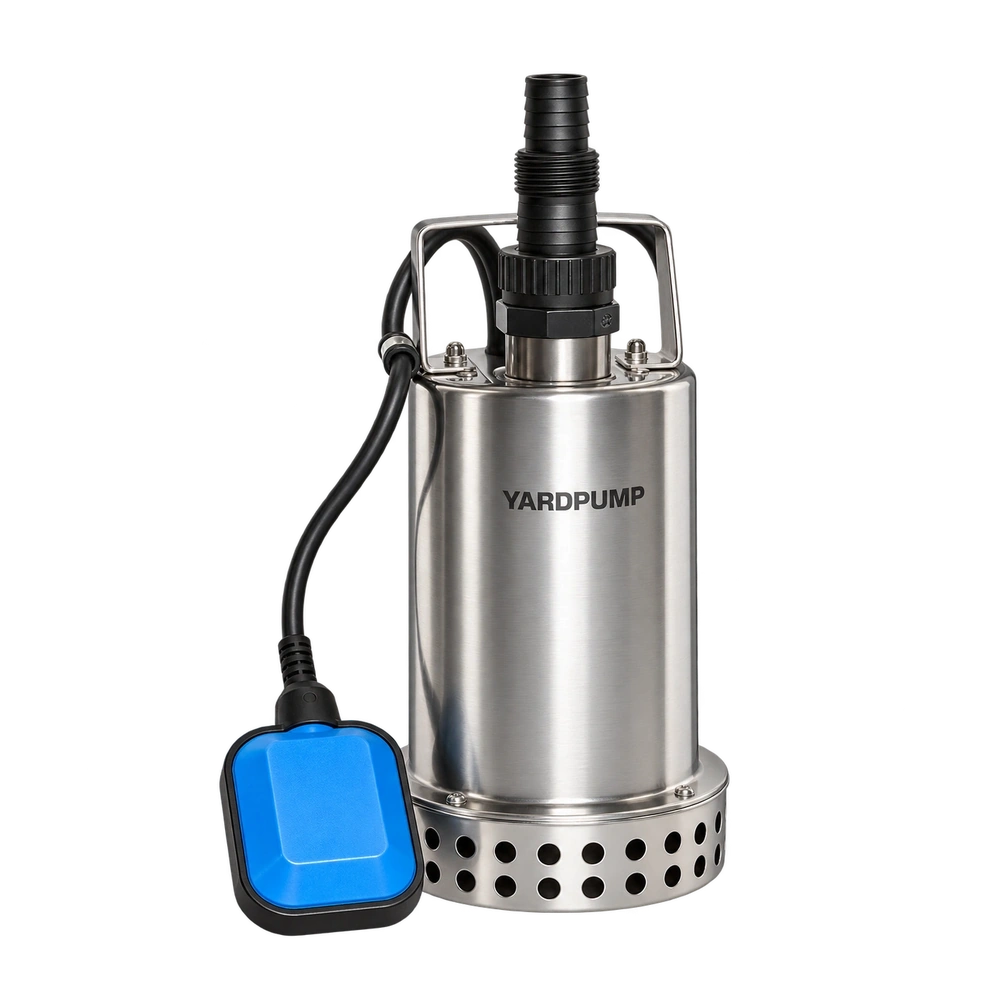
Imagine a lot of pumps with a specified seal chamber is ready to ship. The supplier sends finished weight records, all inside the finished-pump range. Do those records prove every chamber has the right oil fill? Not by themselves. The housing, cable, parts outside the chamber and surface water can all change gross weight. Verify net fill on the same unit, or an independently validated metering process traceable to it. Then interpret the result against the approved requirement.
Identify what the process actually specifies
Check whether the released drawing and process specify mass, volume, liquid level or a filling machine setting. If the requirement is in volume but records are in grams, confirm the oil density and relevant temperature before converting. A specified level or air space after assembly may need its own evidence. A passing mass does not automatically prove final level. Confirm that the particular model and revision have the chamber and process in question. Do not infer construction from the number of seals or external shape, or ask a customer to open a chamber to check its fill.
For illustration, one pump weighs 2,200 grams before and 2,212 grams after filling, a difference of twelve grams. A second starts at 2,206 grams. Adding only six grams still gives a final weight of 2,212 grams. Both finished weights match, but their oil additions do not. These are hypothetical figures, not targets for any pump. If a plug or a cable part is fitted between weighings, or a wet fixture is introduced, the difference no longer measures oil alone.
Witness the measurement step
Ask where in assembly the measurement occurs, when fixtures or vessels are tared, how scale resolution and verification are controlled, and how interruptions are detected. For before-and-after weighing, identify the same pump and the same weighing state. For a metering device, validate what reaches the chamber against what the device reports. Oil retained in a nozzle, drips, suck-back and pauses can change the result. Link serial, oil lot, device, time and disposition. A lot mean cannot answer what happened to one pump.
Use approved representative checks to see whether the method can detect underfill or a repeated fill. Segregate deliberately challenged samples from saleable stock. If a reading falls near a decision limit, follow the agreed uncertainty and recheck procedure. Do not change the tare condition after a low result or replace the data with a measurement on another similar-looking unit.
Separate fill, leakage and final operation
Gross weight can be useful for detecting a missing large component if that screening method has been validated. It may not distinguish the much smaller oil difference at issue. Define what the gross check can detect and retain separate evidence for correct fill, sealing and the completed pump's wet operation. A correct fill is not evidence that the chamber does not leak; a tight chamber does not prove that it was filled correctly.
If the records show an interrupted fill, preserve the timing and identify the serials that may have been affected. Have the supplier use the approved disposition method. A record for the actual unit is more valuable for deciding the scope of a hold than another finished-weight reading from a representative carton.
If wet inspection precedes weighing, confirm that drainage and surface condition can be repeated, or use a station where retained test water does not affect the measurement. Filling and sealing remain governed by the approved work instruction. A batch average may reveal drift but cannot disposition an individual interrupted fill.
Frequently asked questions
Do very similar finished weights establish consistent fill?
No. Differences in other parts can offset a difference in oil.
Can nominal density turn a mass result into proof of liquid level?
Not by itself. Temperature, chamber geometry and the level reference still matter.
Should buyers request a retest of every finished pump?
First establish an approved method and identify the affected scope. Opening a sealed chamber without authority can introduce a new defect.