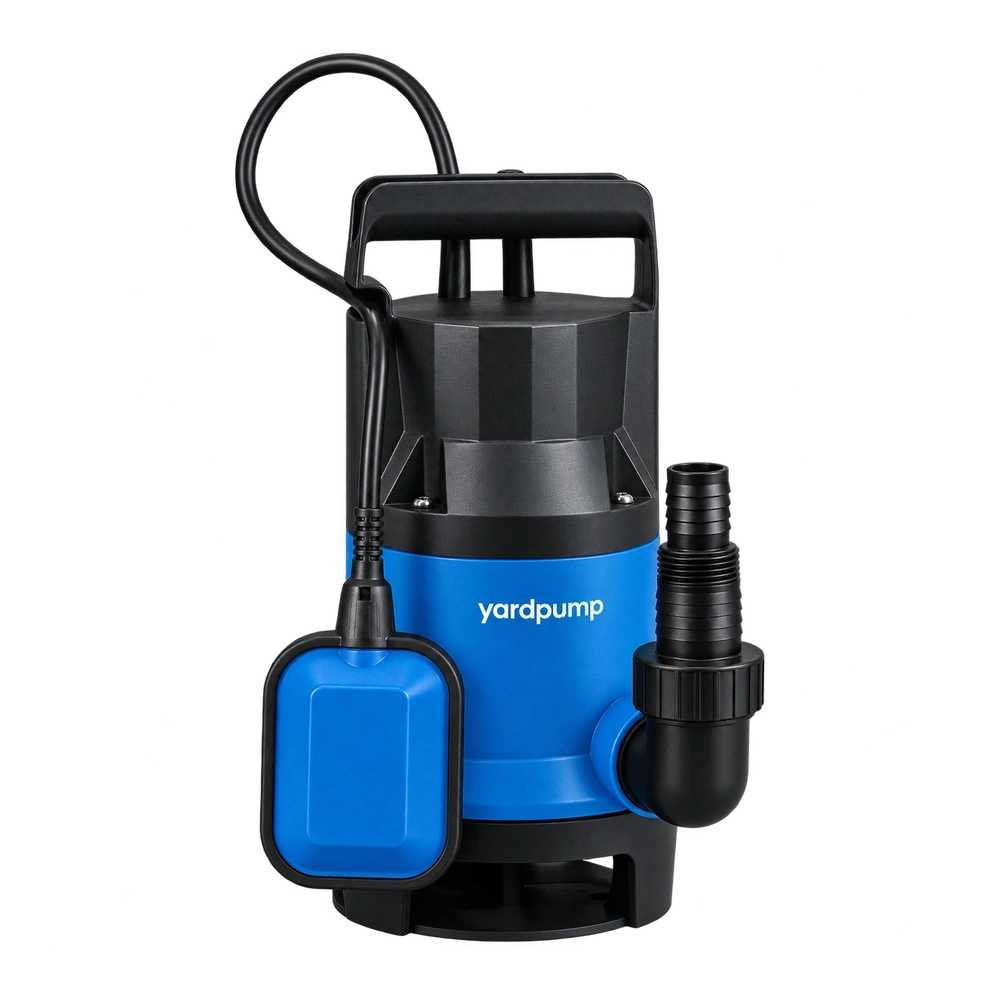
Suppose a distributor finds that a new service kit fits an old pump and then marks both kit numbers as interchangeable in inventory. The next order is for a new pump. The old part slides onto the shaft but lacks a required locating or sealing component. Record service supersession in the direction actually approved. A new kit may support an old assembly because it includes an adapter, special fasteners or a revised sequence. That does not make the older kit suitable for a new pump.
Map installed equipment to an approved repair
Obtain the supplier's service applicability by pump revision or serial range. Record the original part number, replacement kit, permitted direction, required companion parts and instructions. A previously repaired pump may no longer match the configuration it left the factory with. If a housing or other assembly was updated, confirm the currently installed construction using the manufacturer's approved identification method rather than relying on an old nameplate alone.
Let inventory start with the machine to be repaired and find a valid kit from stock. A catalogue note that a part supersedes an earlier number may apply only to specified versions or when paired parts are fitted. Do not reverse it automatically. Nor should software assume transitivity: a third kit approved for one use of the second may not be approved for every machine on the original list. Require a verified mapping from the destination machine to the actual kit being dispatched.
Test a conditional replacement
Suppose an old pump uses kit A. Kit B includes a spacer approved for an old-pump repair and comes with a different assembly sequence. On the new pump, kit B is fitted according to the new drawing. Kit A lacks a companion part required by the new build. The stock system may offer A or complete B for the old version but should offer only an approved B configuration for the new one. Opening B and taking the part that happens to slide onto the shaft is not a qualified replacement. This illustrates why the condition belongs on the picking record.
Give a trial ticket to someone who did not make the change. Ask them to pick against a serial number and check packaging, instructions, required companions and prohibited combinations. Run a reverse substitution and an unidentified serial as well. Both should be stopped or sent for review. Qualified repairers should follow equipment isolation, assembly and post-service checks. Keep change notices, effective ranges and dispatch records so the next investigation can identify what configuration reached the customer.
For a kit that requires companion changes, do not update only the main component number in software. A screw, washer or locator can be essential to the qualified assembly. Verify dispatch against the entire kit contents and the correct instruction revision. If a new kit is incomplete, do not fill it from similar-looking old stock unless an explicit substitution is approved. Regional dispatch also needs instructions appropriate to the actual hardware, including the allowed replacement direction. When repacking a kit, preserve its original identity and the new pack-out record. A fresh label should not conceal a mixed-source assembly from the repairer. Previously modified customer equipment may require manual service review even if the nameplate lies within the usual range. That is a reason to identify the installed revision, not an opportunity to guess at compatibility.
If a supersession is withdrawn, stop pending recommendations and identify the affected dispatch records. Preserve the earlier approval and why it changed. Service staff need to know which installed configurations still have an approved repair path and which require a new check before another kit ships.
Frequently asked questions
Can we use remaining old kits first?
Only on equipment for which they are still approved. Do not reverse a one-way mapping to clear stock.
Is matching fit and cover closure sufficient?
No. Location, sealing, materials, procedure and validation also matter.
What if the serial number is unreadable?
Hold the ticket and use an approved physical identification method. Similar packaging does not establish compatibility.