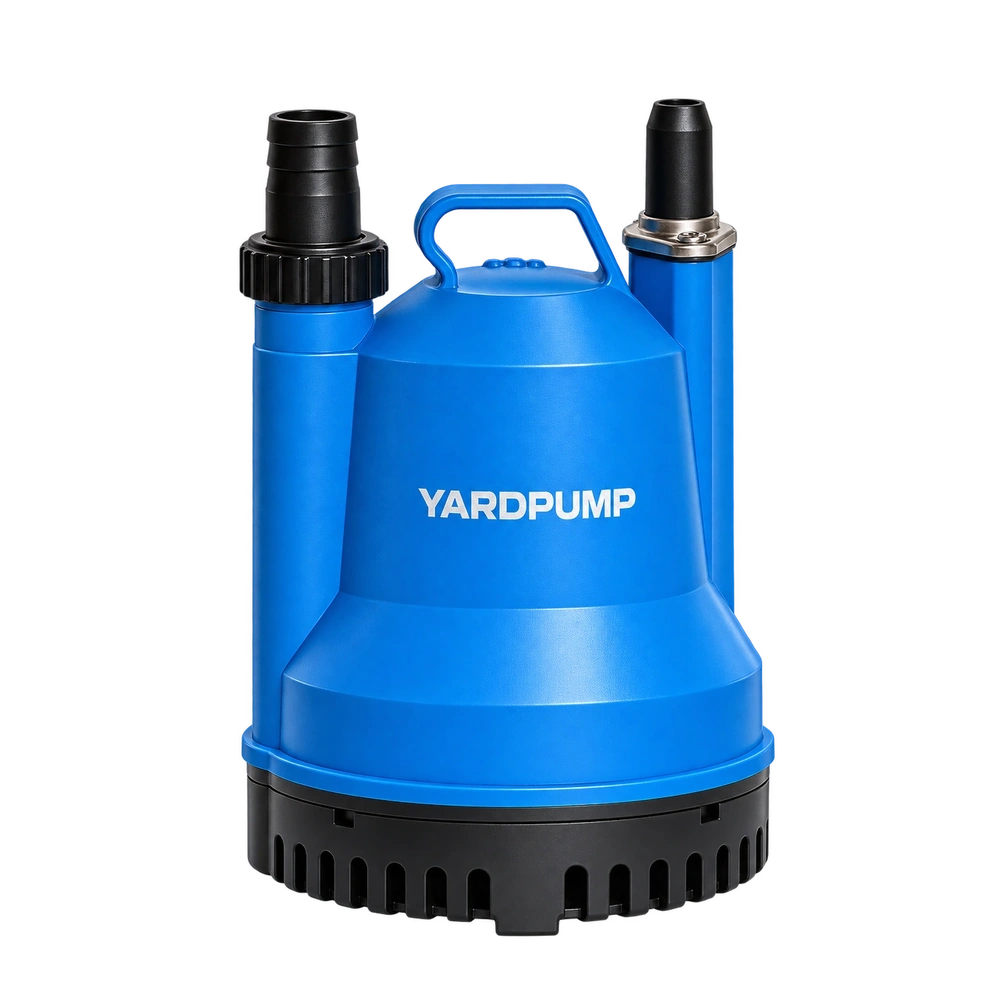
Imagine a buyer approving a colour carton with six pumps pictured on two sides. Each model’s specifications appear on a side panel. The sample carton is attractive and all six rows are correct, but a customer receiving the box still has to know which pump is inside. Approve the method for identifying the packed unit as well as the artwork. The permanent print may show a family; the selector must point clearly to one actual electrical and hydraulic version.
Decide what stays fixed and what changes at packing
Separate shared graphics from variables. A common photograph, brand and family illustration can be on every carton. Model, electrical version, included accessories and the code used by the channel must correspond to the exact contents. If a model name covers several voltages or accessory sets, a mark beside the model name alone may not identify the selling unit. Set a clearly readable selector with room for the required fields. Check how it looks on the assembled box rather than only in the print file.
Agree how the selector is created and where the operator gets the value. A printed variable label can carry several fields, but only if it comes from the correct controlled job. A tick or stamp is simple, but needs a clear location, durable mark and method for catching blank or multiple choices. Do not rely on the customer interpreting a shade of ink or guessing which of six images looks closest to the pump. Do not treat a barcode as proof that adjacent human-readable text is correct.
Test good and deliberately invalid pack-outs
Make a sample for each version sold in the shared carton. On a dry inspection bench, compare the pump nameplate, accessory list, model selection and scanned code against the agreed order. Include actual folds and the sealing tape; a selector across a fold can be obscured even when the flat proof looks fine. Check viewing orientation at the sales counter and on the shelf. If the box uses a variable label, confirm it does not cover required information or leave another active version in view.
For an illustrative check, six family models use the same print. One model has two orderable electrical versions. Create a correct sample, a sample with no selection and a sample with a mark for the correct model but a scan code for the other electrical version. The packing process should detect the second and third conditions. Then test a box with two active marks. These are controlled challenge specimens; keep them out of saleable stock and record exactly what the checker observed. A successful check on only the correct sample does not prove the process rejects the wrong ones.
Make corrections traceable
Decide what happens when a carton is opened or the selector is changed. Prevent an old mark from remaining visible next to a new one. Define when a box can be replaced, who reconciles the unit, and how invalid labels are removed and accounted for. Check the first unit after a job change, and check a unit after any interruption that could mix versions. Keep the artwork revision and the selector instruction in the order package so a later reprint cannot quietly change the meaning of the fields.
Market-specific mandatory markings and retail data need separate approval for the selling destination. The shared-carton check is about identifying the contents; it cannot establish conformity or authorize a label change. For the buyer, the release question is simple: can a checker who did not pack the box identify one exact version and match it to the unit inside?
Frequently asked questions
May all six model names be printed on one carton?
A family panel can show several models, provided the actual contents are identified unambiguously and the destination’s requirements are met.
Can we rely on scanning alone?
No. Verify what the scan resolves to and compare human-readable model, electrical version and contents too.
Can we cover a wrong mark with a new sticker?
Use only the approved correction procedure. It must eliminate conflicting active marks and preserve unit traceability.