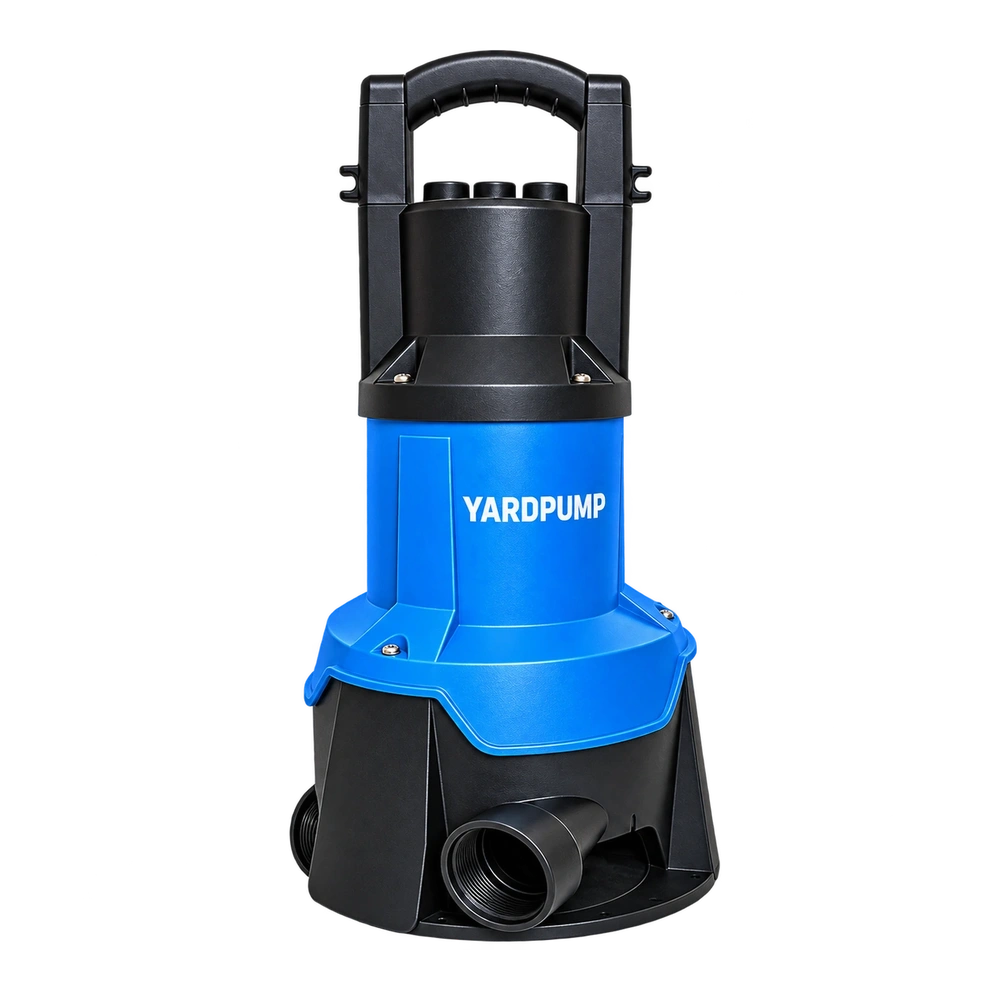
Imagine a distributor promises to ship several clean-and-dirty-water pump service kits that day. The system shows stock for the base covers, gaskets and clips. At packing, some gaskets turn out to fit an earlier revision, and several clips are reserved for a repair job. Each inventory line is positive, but that does not establish a complete kit. Use only components approved together and available for the order, then let the most constrained component set the buildable quantity.
Define the kit before looking at the shelf
Write down the approved contents, quantity per kit, eligible pump or serial range and any authorised substitutions. A kit may require two clips, one gasket and one cover. Some components must remain paired in storage. Two loose seal faces are not a verified pair simply because both can be found. If a replacement is approved for only one version, limit its use to that range. The number of bags on a shelf, the inventory total and the usable count for the required version are different measures.
Identify available, reserved, held, opened and uninspected stock by location. Keep component identity and lot traceability when bags are opened or a part is taken from a kit. Mixing similar gaskets from two revisions can make a bin look full while reducing the number of kits that can be shipped with evidence. For sealing or electrical parts, physical fit alone is not an approved application.
Let the shortest component determine the promise
For illustration, suppose there are twenty-four eligible covers, fourteen gaskets and thirty clips. Each kit uses one cover, one gasket and two clips. The component limits are twenty-four, fourteen and fifteen complete kits. The maximum is fourteen. If three of those gaskets are reserved for another repair, the maximum becomes eleven. Do not round up or count parts that have not arrived in the same-day promise. Expected receipts belong on a forecast for a different date.
If two compatible kit versions draw clips from the same stock, allocate the clips in one place. Calculating each version independently can make both appear to have enough while committing the same parts twice. Assign urgent work under the agreed rules, then calculate what remains. Where a substitution is possible, obtain and record approval for the relevant range before shipping it.
Carry the calculation through picking and dispatch
Put the number of complete kits, pump revision, component lots and pack condition on the pick and dispatch record. If only eleven complete kits can be built, do not send fourteen incomplete boxes and report that the order is fulfilled. If the customer agrees to a partial shipment, state which complete kits will go first, what is missing and who will track the balance. If the part is essential to sealing or safety after a pump is opened, the user should wait for an approved complete kit and suitable service personnel.
Recalculate buildable stock after a receipt and compare it with the forecast. If one gasket or fastener is the recurring constraint, check its lead time, supplier pack quantity and restricted revisions. Improving the inventory means being able to ship more complete kits, not merely having more parts in the warehouse.
A useful stock report also identifies the constraining part by revision. Procurement can act on that detail. A column labelled “kits delayed” alone does not say whether the next purchase needs clips, gaskets or an approved change.
If incoming parts are due later, show that as a dated forecast subject to revision acceptance. If a complete kit is broken for one component, remove it from finished-kit stock as well. When a kit is assembled, convert the component quantities into the finished item and retain the lot and application record. This prevents counting the same material at two levels.
Frequently asked questions
Can two loose mechanical seal faces make one kit?
Only if the approved parts and matching requirements allow it and their identity can be verified.
Can a reserved component be picked for a new order first?
Reallocate it only under the approved priority rules. Do not promise the same component on two orders.
The supplier says a replacement is universal. Is a list change needed?
Confirm which models, revisions and conditions are actually approved, then update the parts list and picking controls.