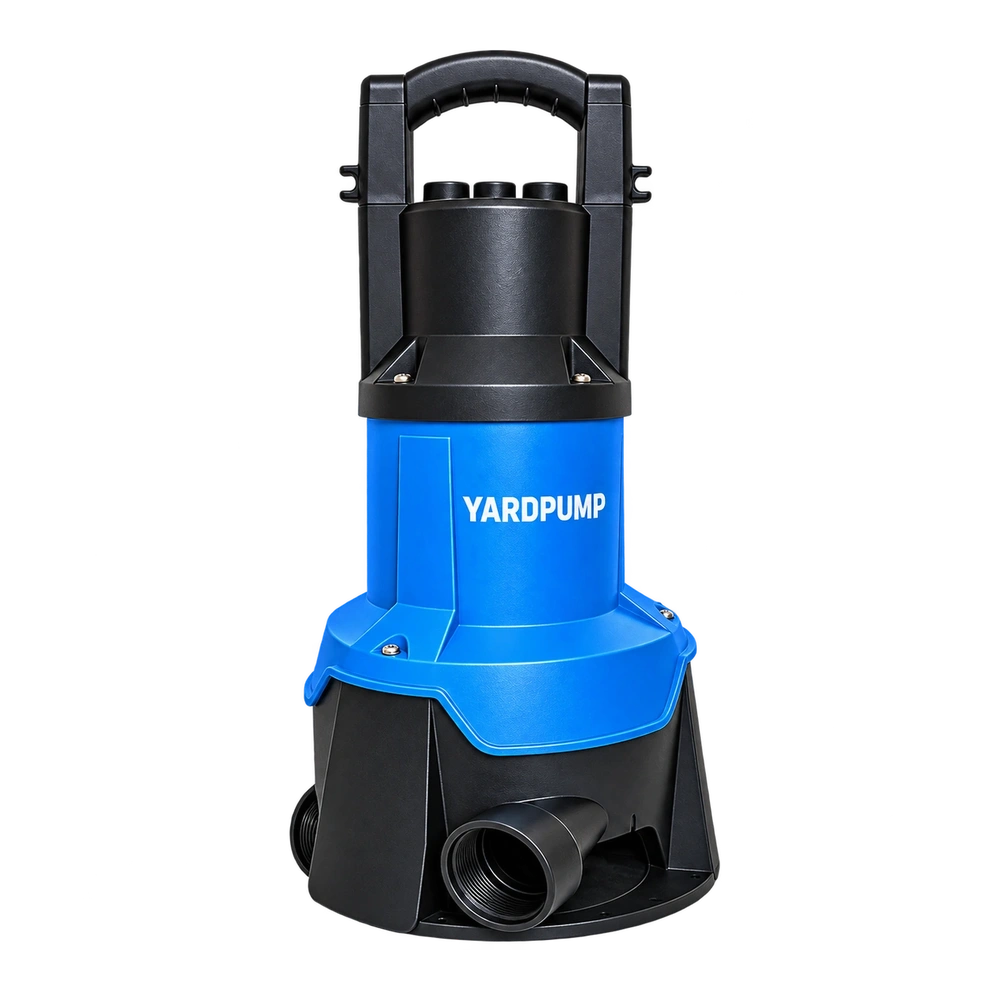
A buyer approves a temporary deviation for one pump lot. The next order arrives with the same change, and the supplier points to the earlier approval. A limited concession does not automatically become a permanent design change. Define the affected product, deviation, quantity or lots, expiry and restoration conditions, then check execution against that scope.
Distinguish temporary acceptance from a revised specification
A temporary concession addresses an identified delivery situation. A brief statement of agreement should not be interpreted as approval for every order. Explain what differs from the current requirement and why acceptance is justified within the stated boundary.
A permanent revision requires the relevant specification, drawing, material or process documents and supporting validation to be addressed. The approval requirements may differ. Successful temporary use does not establish long-term durability, market suitability or future production consistency.
| Approval element | Purpose | Risk when absent |
|---|---|---|
| Exact deviation | Defines what is accepted | Other changes become unintentionally included |
| Product, order and lot | Identifies the affected items | Approval is reused across models |
| Quantity and expiry | Limits implementation | One exception becomes indefinite |
| Restoration and closure | Returns production to the approved state | Later lots retain the deviation |
Assess the actual impact
Appearance, packaging, material and electrical deviations do not all justify the same explanation. Consider assembly, performance, life, instructions and applicable product requirements. Where safety, certification or regulation is involved, verify the relevant obligations. A customer's commercial agreement does not replace them.
If evidence is insufficient, record that the deviation cannot yet be released. Do not ship first and invent a justification afterwards. Approval should also be limited to the described condition; an additional unidentified change needs its own assessment.
If the sample differs from the request, establish the affected production and delivery scope before relying on the existing approval. An accurate description is essential to knowing what anyone actually accepted.
Make quantity and time independently checkable
Consider a hypothetical approval covering 200 pumps for one named order and remaining valid only until a specified date. It does not cover the next order or automatically permit remaining materials to be used after expiry. Apply both boundaries according to the document and define how quantities are counted.
Execution records should identify production dates, affected materials and actual quantities. If normal and deviating configurations share a lot, the record and identification system must distinguish them sufficiently for the intended traceability.
Approval held only in a sales conversation may not reach production, inspection or the warehouse. Connect the decision to the documents and controls those functions actually use.
Close the temporary condition
At the end of the concession, review remaining stock, work in progress, workstation instructions and purchasing requirements. Verify the restored configuration under the applicable plan. Returning the material alone may leave temporary settings, wiring or packaging unchanged.
The closure record should identify affected deliveries, restored production and any unresolved inventory. If permanent use is desired, handle it as a formal change with appropriate revision and validation rather than treating repeated temporary approvals as a substitute for controlled specifications.
Preserve the concession history for traceability while making the current valid requirement clear. A later investigator should be able to determine whether an individual pump was authorised under the temporary condition.
This article describes approval boundaries, not a mandatory universal form or organisational hierarchy. The required authority and evidence depend on the product requirements and purchasing agreement. A supplier cannot unilaterally expand the scope.
Frequently asked questions
Does an email saying “acceptable” mean permanent approval?
Not automatically. Confirm the exact deviation, affected items, quantity, expiry and authority. Resolve ambiguous scope in the record.
Can a successful temporary-lot test justify permanent adoption by itself?
No. It covers the tested conditions. Permanent adoption also needs the relevant document revisions, scope assessment and validation.
Can a few extra units be shipped under the same approval?
Not without checking the approved boundary. A small excess is still outside a fixed quantity unless separately assessed and authorised.