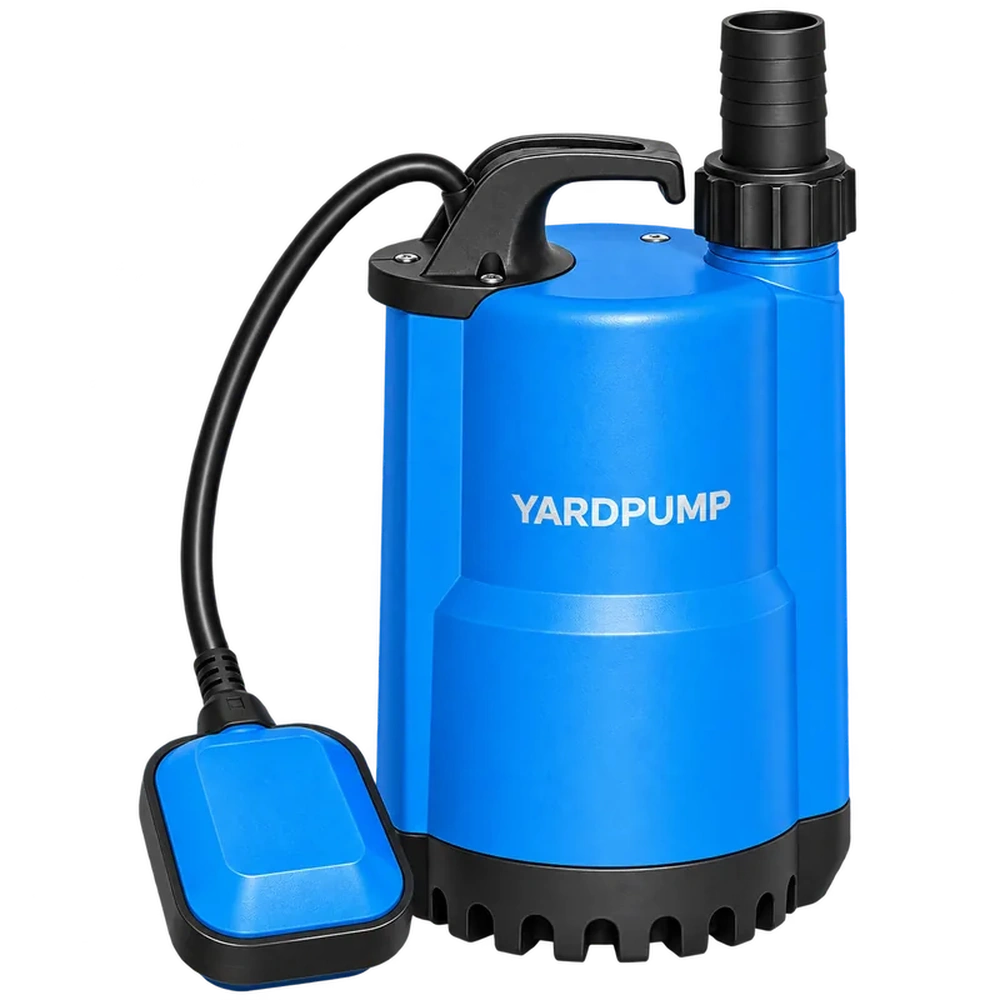
A distributor replaces a customer's pump. Weeks later another pump comes back from the same customer. Is that one complaint or two defective units? Keep both physical identities and the service relationship between them. An intact chain distinguishes customers, units, service events and confirmed faults. Merging or duplicating records to simplify the report can obscure the very pattern the service team needs to investigate.
One customer is not one physical unit
A customer may use an original pump and a replacement, or return the same unit several times. Customer identity, sales order, physical serial number and service case answer different questions. One row under a customer name can merge separate units. Creating a new unit for every visit can exaggerate the affected population.
Retain original and replacement identities, sale and exchange dates, service-event references and the original unit's subsequent disposition. Confirm which physical pump has returned from its marking. If identification is unreadable, record the uncertainty and available evidence rather than inventing a serial number to complete the form.
Replacement is an action, not a root-cause finding
An early exchange to restore service does not prove a manufacturing defect. The original may still await inspection or later produce no fault during testing. A second problem can involve shared installation, supply or liquid conditions, or a genuinely repeated product issue. Separate the commercial action from the technical conclusion so “replaced” does not automatically become “confirmed defective”.
Equally, suspected site conditions should not become a premature rejection of a product fault. Keep each unit's examination results and the field evidence. Allow findings to develop while retaining revision history. That preserves the repeated signal without converting an unverified explanation into a statistic.
| Record level | Suitable use |
|---|---|
| Customer or installation | Repeated requests and shared site conditions |
| Physical unit | Number of distinct pumps affected |
| Service event | Workload, response and intervention count |
| Confirmed fault classification | Technical issues supported by evidence |
Two returns need not mean the same failure twice
Consider a recording example. Unit A is returned and replaced with B. B later generates another service request. The system can identify two service events, two linked physical units and one replacement relationship. Whether both units have confirmed faults awaits evidence. Whether the root cause is shared also requires investigation. These are hypothetical identifiers, not a customer case or a failure-rate claim.
If A is repaired and returned to stock, retain repair, reinspection, status and destination. Replacing a housing or identification label should preserve the internal history. A unit should not disappear from the record and reappear as a supposedly new physical pump merely because its visible parts changed.
Preserve identity at receiving
Photograph the marking, packaging, accessories and visible condition, and record the reported symptom and relevant installation information. If the received unit differs from the listed replacement, check for a mix-up, multiple pumps or a label issue. Do not rewrite the original case simply to match the object currently on the desk. Apply suitable isolation and handling arrangements for electrical or contaminated returns.
Attach examination reports, photographs, replaced parts and retest results to the correct unit and service event. Transfers between stores and external repair centres should retain the same chain. Separate systems creating unrelated identifiers for one pump can otherwise break traceability. Collect information needed for service rather than unrelated personal details.
State the metric before calculating it
Management may need a service-request rate, a confirmed-fault unit rate or replacement cost. Their numerators and denominators differ. Replacement events should be independently filterable and traceable to the original order. They should not disappear inside one undefined defect percentage. Samples still awaiting examination need a pending status that can be updated under a recorded rule.
The purpose is a report that agrees with physical equipment. Repeated trouble at one installation can prompt a shared-condition investigation. Similar component findings across different sites can be connected to product revisions. The identity chain supports those investigations without deciding the result in advance.
Questions about replacement records
Should the original record be deleted after exchange?
No. Preserve the original, replacement and exchange relationship, including subsequent repair or disposition of the original.
Does a second request mean two defective pumps?
Not necessarily. Record event count, distinct units and confirmed faults separately.
Can an unreadable serial be filled in from the order?
Do not represent an assumption as verified identity. Mark it unconfirmed and use photographs, revision and handover evidence to investigate.