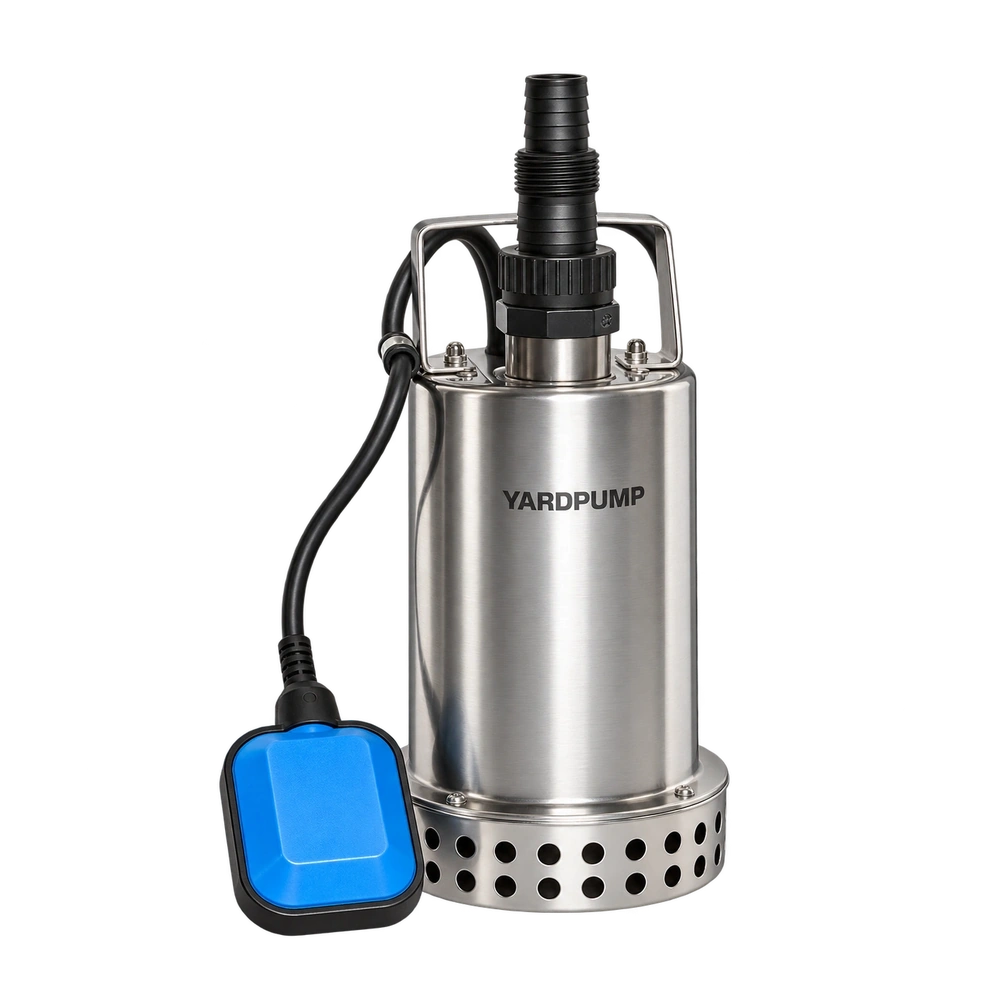
Imagine a hire business comparing compact drainage pumps for repeated short jobs. One costs less to buy. The other has an outlet kit that can be checked quickly and parts that arrive sooner. Compare cost per safe, rentable unit-day under the same duty and service conditions. The unit price does not tell you how many days a pump will wait for cleaning, inspection or a suitable part before it can go out again.
Define ready to rent before comparing prices
A pump is ready only when the required inspection is complete, it has the right cable, hose or outlet parts for the offered hire kit, and its condition and controls have been accepted. A cleaned pump waiting for a test is still unavailable. A pump held for an electrical concern is not inventory to promise a customer. Distinguish ready days from booked days: availability is under the fleet’s operational control, while paid utilization depends on customer demand and timing.
Write down the work profile: water and debris, usual head, run time per hire, setup, expected handling and the limits customers must be told. Ask for the exact manufacturer’s operating, transport and service instructions. Do not assume that higher rated watts or a larger casing improve rental uptime. An exposed connector that needs repeated replacement, or an awkward inspection point that ties up an employee, can affect turnaround more than a small price difference.
Compare the same group of days and cost boundaries
Take a hypothetical 100 fleet-unit-day comparison. Set A provides 82 ready days and incurs 410 currency units of allocated ownership and turnaround costs; set B provides 94 ready days and costs 470. Both work out to 5 per ready day. B still offers more service coverage, which may matter if orders cluster after storms. The numbers do not estimate market rental rates or real availability. They show how a higher total expense can yield the same readiness cost while leaving fewer days exposed to downtime.
Include the same costs for both options: purchase allocated over the same chosen horizon, labour to clean and inspect, ordinary replacement items, external repair, and any agreed handling cost. Keep repair waiting days and planned checks visible. Separate days an asset could not be hired from days it was hired and earning. Do not count two lost jobs from one unavailable unit-day as two days of downtime. If customer compensation or emergency substitutions matter, record that exposure as a separate line item with its basis.
Run a small controlled fleet trial
Use comparable jobs and acceptance criteria. At return, record the pump identity, the job and liquid category, the inspection result, labour time, parts needed and when it became available again. A quarantine period is not a shortcut to skip tests. Have qualified people evaluate suspect equipment with safe isolation. Do not return equipment used in contaminated water to another service without the approved handling and cleaning procedure. Confirm which repair tasks are permitted at branch level and which require the manufacturer or a qualified service center.
Review the causes of the unavailable days. If several delays come from one removable fitting, purchase and stock decisions may solve them. If the pump is routinely unsuitable for the solids or the specified duty, stocking parts will not fix the selection problem. Ask bidders for the service parts and turnaround evidence appropriate to the jobs you intend to rent. Fleet purchasing is a comparison of work that can be safely supplied, not just boxes entering the storeroom.
Frequently asked questions
Is the lowest cost per ready day always the best choice?
Not by itself. Compare service coverage, actual hire demand and suitability for the jobs, especially where jobs arrive together.
Can I count a pump as ready while waiting for a safety check?
No. Keep it unavailable until the required clearance has been completed.
Does a long warranty eliminate downtime?
No. Warranty terms may affect repair cost. Diagnose, transport and replacement time still affect fleet availability.