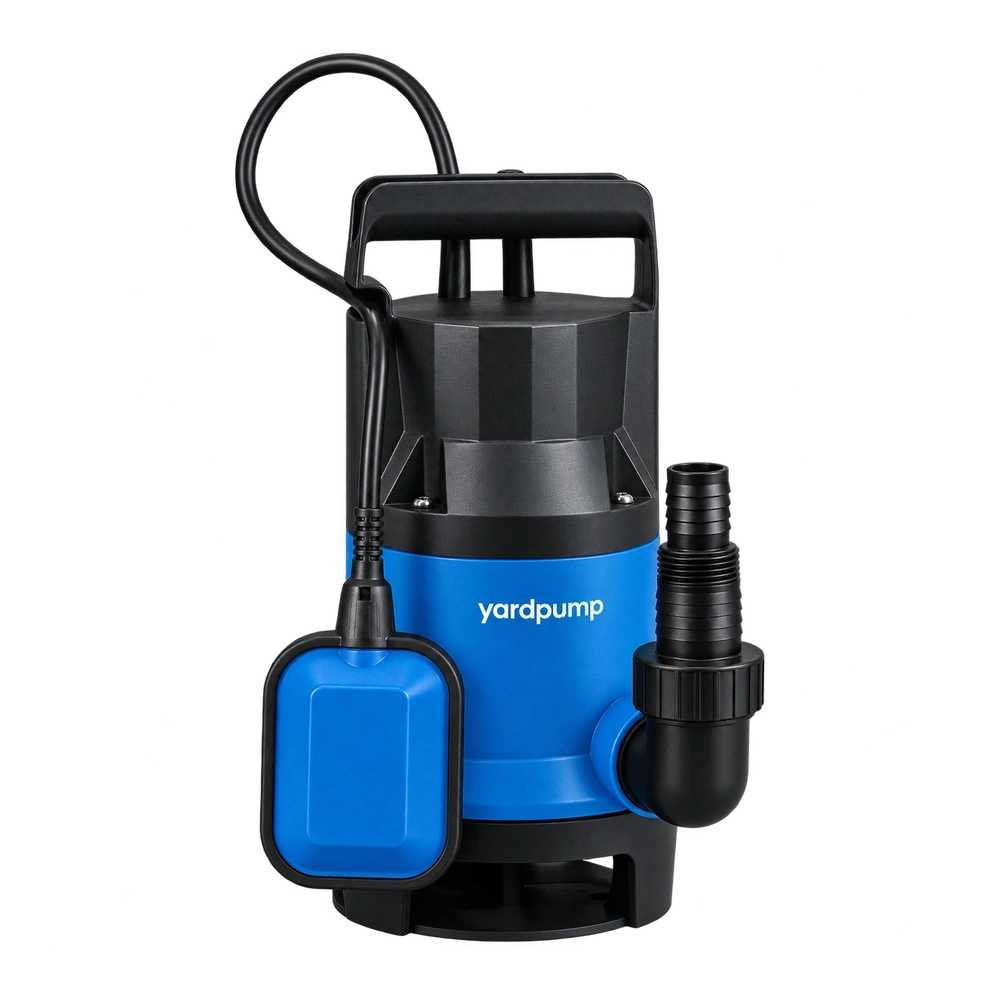
Take a wastewater pump with a serviceable oil chamber just back from maintenance. Oil appears near a plug after it has sat for a while. Separate spilled refill oil from a leak that keeps supplying new oil. A stain close to the plug is useful evidence, but it does not establish the path. Calling every oil mark a shaft seal failure can lead to unnecessary teardown and leave a damaged plug seat untouched.
See where new oil starts to appear
Refill or removal can leave oil in a tool recess, around a plug head or in a depression in the casing. Changing the pump’s orientation may let that residue reach a lower surface. An active leak may produce a fresh line from a repeatable spot after approved external cleaning and observation in the same position. A dry surface immediately after cleaning does not prove the joint is sound. A new line can also come from a joint higher up or oil left behind in another recess. Track it back before opening the pump again.
Have service staff document the exterior before and after cleaning, with the pump stable and electrically isolated. Record which plugs were handled, the oil quantity, the orientation, when the mark appeared and any known evidence of water intrusion or oil loss. Mark the actual opening in the picture if two plugs look the same. Keep a clean observation surface and note the times. Avoid unapproved dyes that could contaminate the oil chamber, and do not increase operating pressure to make the leak visible. A chamber can retain pressure or hot oil. Only qualified personnel should open it after isolation, cooling and the required pressure checks.
Compare the plug, seal and seat as one assembly
Some plugs seal against a gasket or an O-ring in a face or groove. Others rely on a specified thread or sealant arrangement. Identify the design and service part before drawing a conclusion. With a face-sealed plug, a tight thread does not show that the gasket has seated correctly. A trapped old gasket, incorrect replacement or scratch across the seat can cause a leak with sound threads. Match any indentation or scratch to the wet line and distinguish damage made during removal from marks that were already present. Do not use a thicker washer, excess torque or thread tape as an improvised substitute.
In an illustrative case, after the casing has been cleaned and kept in one position, oil reappears along the lower edge of the plug seat. The old gasket is then found crooked, with an indentation in the corresponding direction. That is stronger evidence than a stain seen hours later without a baseline. If a seam above the plug becomes wet first while the plug is dry, investigate that upper joint before fitting a different plug.
Verify the repair under the conditions the design permits
Install the approved seal and address any seat damage. Follow the prescribed tightening, oil filling and verification method for the specific configuration. An observation at rest helps detect residue or a clear leak. Use a pressure, vacuum or operating check only if the design and service procedure call for it and qualified staff carry it out. Record the original location, replacement parts, oil chamber condition and result. A clean plug after sitting is not verification of every seal in the pump. Substantial loss, water intrusion or an electrical fault needs a wider review before release.
This method is for pumps with oil chambers and plugs the manufacturer allows service staff to maintain. Do not open a different construction in search of the same feature.
Frequently asked questions
If tightening the plug stops the mark immediately, is the repair complete?
Confirm the seal, seat and tightening requirement. Observe or retest under approved conditions; an immediate dry appearance does not explain the original leak.
Does oil at the plug prove the mechanical seal is sound?
No. Independent leaks can exist. Check oil quantity, contamination and any other verification required for the construction.
Can a gasket be reused if it looks intact?
Follow the service instructions. A gasket that looks intact may have taken a permanent set; replace it when required.