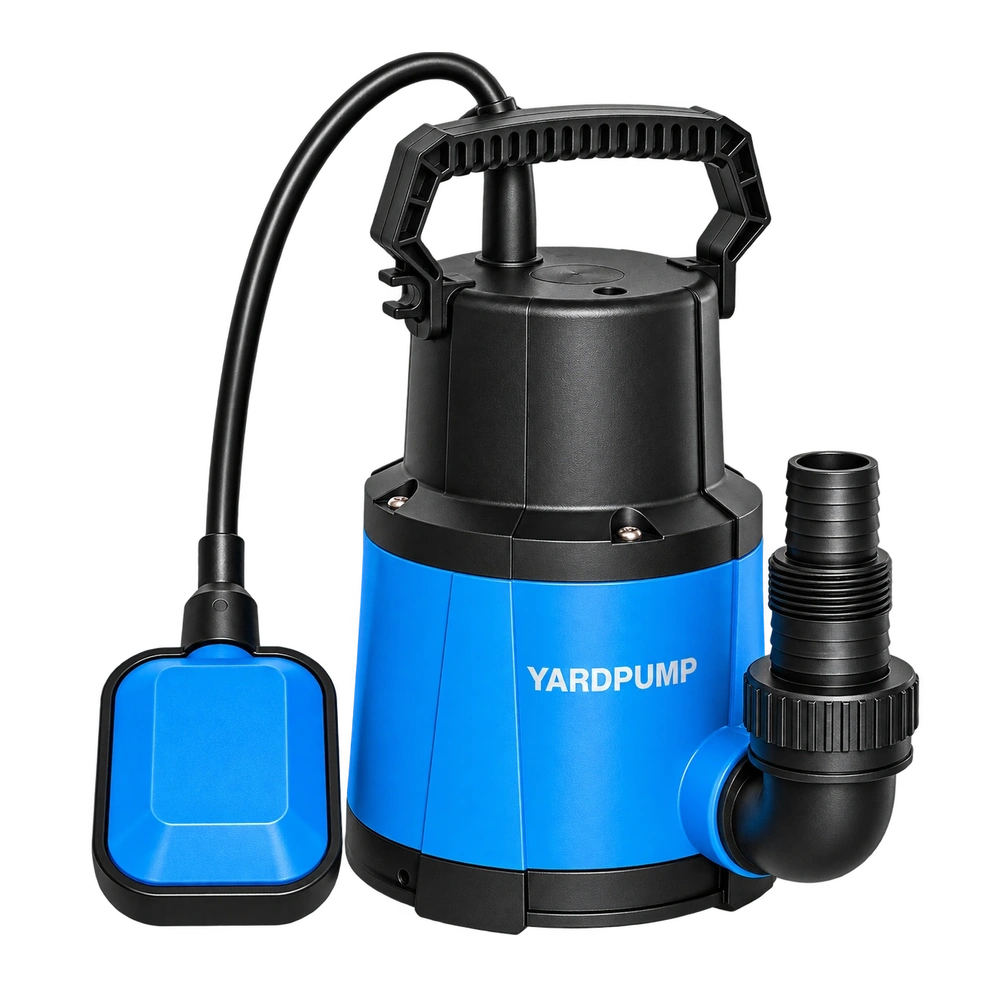
A distributor who lists an inlet screen as removable for cleaning is making a practical promise. The user expects to clean it as directed and fit it securely again. Demonstrating that a sample screen comes off only shows that it can be removed. Verify which part the user may remove, how it locates and locks again and whether repeated maintenance leaves it loose, lifted or in a different intake position. Do not remove a guard that the instructions do not authorize users to remove.
Separate maintenance parts from guards and intake geometry
A portable pump's base can screen debris, protect the impeller, support the housing and define intake height. Depending on the design, it may have a user-removable screen, a service-only guard, a screw-fixed base or a documented changeable intake. Ask the supplier to identify which parts the user may service and which must stay in place. A screen that does not sit on its intended surface can allow debris around it, change how the pump stands or affect water pickup. Seeing a screen underneath does not establish that it has locked.
Review the sample with its instructions. Check whether an approved tool is needed, where to grip the part, how to recognize full engagement and which cleaning liquids and conditions are permitted. If the base forms part of the intake, confirm what needs to be retested after a change: startup, minimum operating depth, solids passage or the agreed drainage duty. A photo alone does not establish residual depth, particle limits or service life.
Make the comparison resemble real maintenance
Consider an illustrative check. A new sample's screen aligns with its marks and sits flush. After repeated removal and cleaning, a comparison part can catch halfway but leaves a gap on one side. Check latch engagement, stops, direction, flatness and deformation. Then complete the approved pump checks. Do not release the unit solely because the screen seems firm when shaken by hand. Record the removal and refitting count, method, temperature, cleaning liquid and final position for each sample. Agree on counts and criteria for the actual design.
Isolate the pump and handle removal and pressure relief as instructed. Do not work on an energized pump in water or run it with a required guard missing. Have qualified staff check for loose parts, cracks, latch marks, gaps and interference with the impeller or intake. Compare pickup, delivery, stopping and stability at an agreed duty before and after maintenance. If the wet result changes, examine screen direction, position, clogging and contact with the base surface before blaming the motor or impeller.
Include the maintenance state in the purchase requirements
Record the accessory revision, user cleaning scope, confirmation of correct installation, retest items and how service identifies a loose or damaged part. If the supplier changes base material, clips, fasteners or mould, review whether the old test still covers the delivered part. The packed instructions should show how to confirm correct assembly after cleaning. A loose, missing or cracked part calls for service before further use. What the buyer needs is a pump that can be cleaned as specified and returned to the same working condition.
If the check uses a spare, identify the new part and the pump revision it will serve. Wear on an old pump's locating surface can also leave a new screen loose. Test the relevant combinations separately before selling the screen by itself or as part of a matching base kit. Confirm the packed maintenance part matches the instructions.
Frequently asked questions
If a screen can be removed, may I run the pump without it?
Do not infer that. A cleaning feature does not approve operation with a required guard removed. Follow the model instructions.
Does hearing a click prove every side has locked?
Check the marks, fit and specified attachment. One click does not establish full engagement.
Is a visual check enough after repeated cleaning?
Check retention, pickup and pump function as approved. Similar appearance does not establish the same fit.