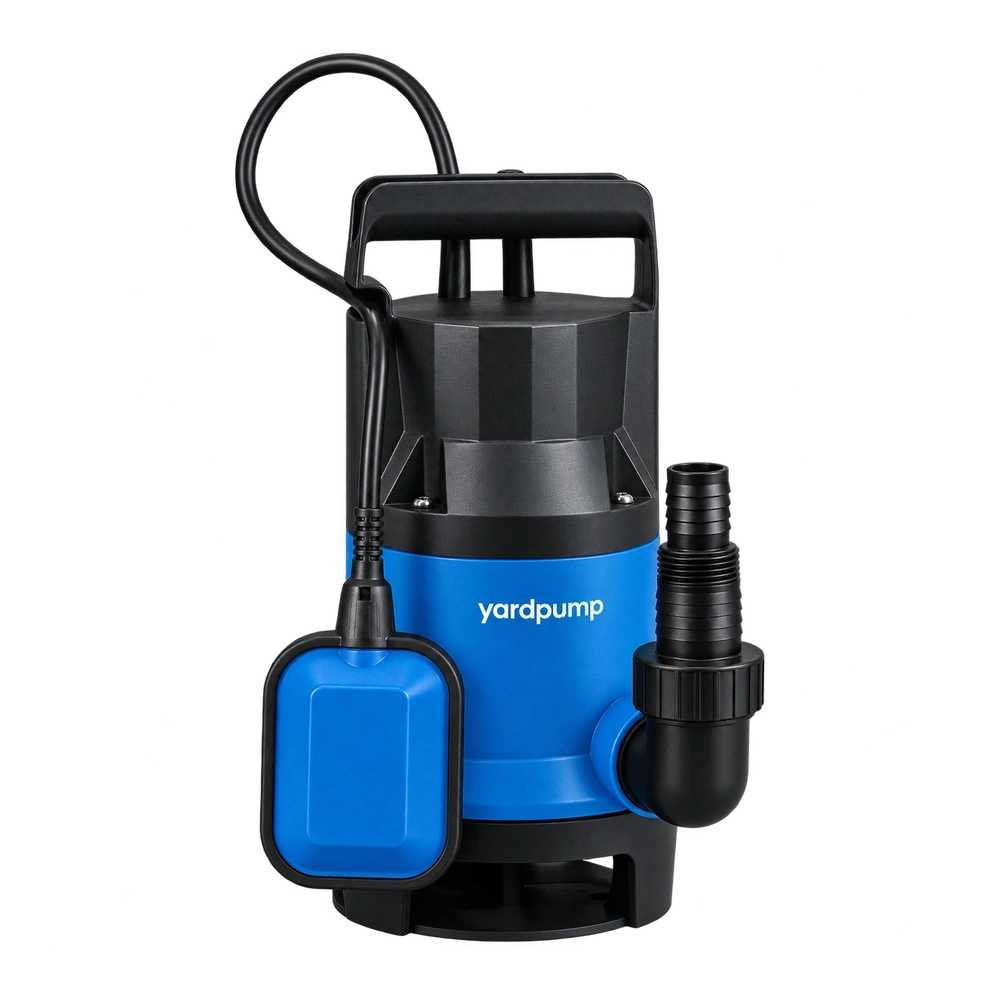
A distributor has a box of replacement floats. A customer sends a photo of a failed unit whose float lead enters the pump housing directly, with no detachable connector outside. Can the distributor sell a bare switch and ask the customer to splice it? The outside shape does not answer that question. Stock by who is authorised to make the repair and whether the job opens a water or electrical boundary. Two similar-looking switches can require entirely different service arrangements.
Separate spares by where the repair happens
One group contains complete items the manufacturer allows to be disconnected and replaced externally. Check the connector, pump and control revisions, installed position and ratings. Physical fit is not approval. A second group is an approved cable assembly that may include the entry seal, anchorage, locating pieces or a defined connection. Replacing it may require authorised staff and documented sealing and electrical checks. A third group is sealed in a way that is not approved for field opening. Handle those faults by the authorised repair or whole-unit procedure. Classify by the approved instructions and actual construction, not by cord length or appearance.
Keep the pump revision, control function, spare kit contents and authorised service location on one line in the inventory record. Matching contacts do not establish a compatible cable diameter or entry seal. A complete assembly with the right physical dimensions can still switch in the wrong direction. Preserve the box label and exact part number at goods receipt. Identify which seals and anchorage parts belong in each kit so nobody splits a matched assembly and later issues its leftovers for a different pump.
Not every branch needs to stock the deepest repair level
Consider a hypothetical distributor with two pump variants that use similar floats. One has an approved external replacement that a branch can supply under its instructions. The other has a cable entering a sealed area, and the supplier approves the complete assembly only for a service centre. Stock the first part at the branch by revision. For the second, set up a repair referral or a loan unit and hold the kit where suitable testing is available. That distinction is about where the job can be done. It does not imply one product is less reliable. If a third unit has no approved spare, use the authorised whole-unit route instead of opening an old pump to create stock.
Ask the supplier for the approved parts and serial or drawing ranges, the items a branch may supply and the tests required after authorised repair. For an unclear return, collect the nameplate, appearance and safe fault observations. Do not direct a customer to cut, splice, bypass or open equipment in a wet area. Qualified staff should verify isolation and equipment condition before work on a sealed electrical assembly.
Check that the stock policy works for a real order
A useful policy lets staff look up the approved part from the serial number, locate the complete kit and know who can fit it and record the result. After authorised repair, complete the specified anchorage, sealing, electrical and rising and falling level checks. A running motor alone does not complete acceptance. Record the replacement part against the original unit and distinguish external replacements from sealed repairs. Replenish from actual service demand, not from the fact that several float housings look the same.
Track opened electrical returns separately. Do not take an unverified seal or anchor from a returned assembly to complete a new kit during a shortage. The provenance of each part is part of the service evidence.
Frequently asked questions
Can a universal float with a longer cable replace a short one?
Check approved configurations, connection and switching range. Length does not prove sealing or control compatibility.
Does a functioning new float prove the repair is complete?
No. Verify the relevant switching, mounting, electrical and sealing requirements for that repair.
Is a sealed assembly always cheaper than replacing the pump?
Compare authorised labour, verification, part availability and turnaround, not the spare price alone.