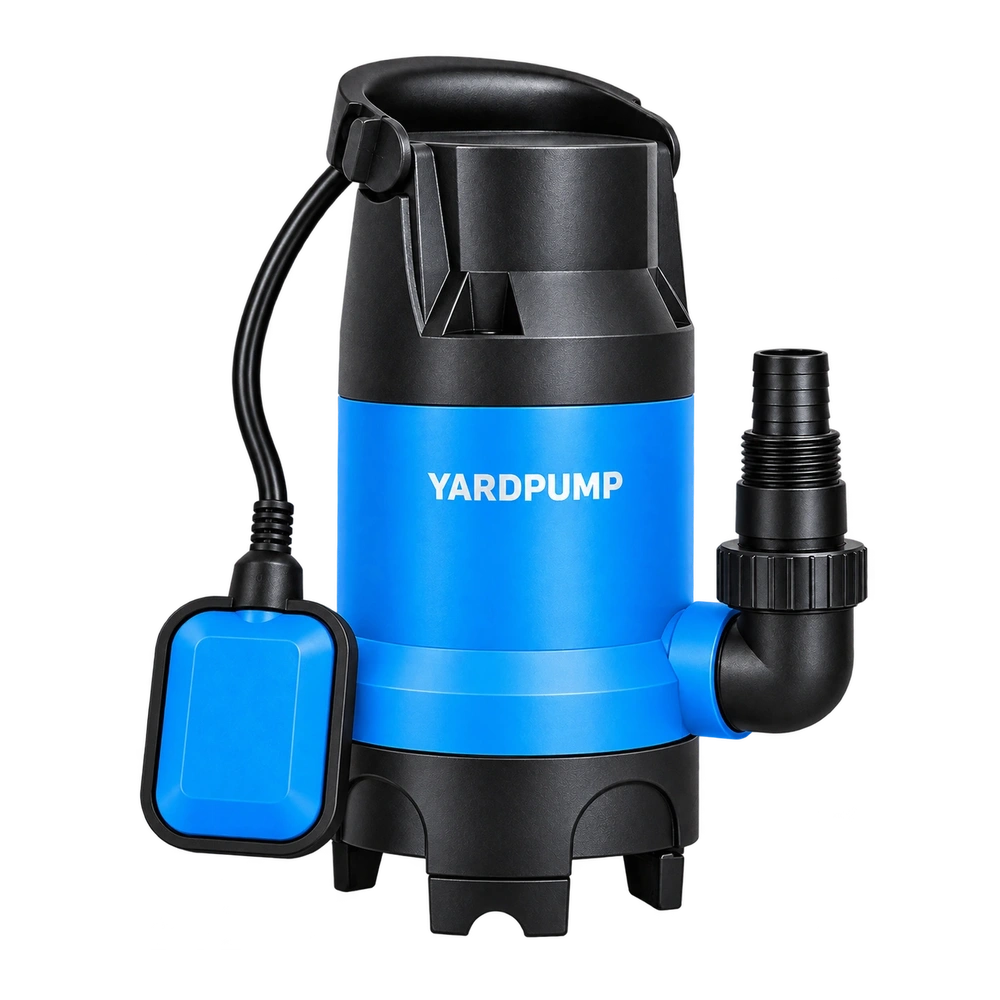
Suppose a distributor finds that a batch of drainage pumps starts at a different water level from an approved sample in the same test tank. Both use the same tethered float switch. Check where the float cable is held, its free length and what can restrict it before blaming the switch. A common part number does not establish the same installation geometry. Testing the float or its contacts by itself does not verify the complete pump's start and stop levels.
Switching depends on the installed geometry
A tethered float rises and changes angle to switch. Attachment height, the free portion of cable, the direction it bends and nearby pipework can change where it can move. A different clip position or bracket hole can change start and stop levels even if the float and pump carry the same part numbers. The direction and size of the change depend on the design. Do not assume a given change in free length produces a fixed change in switch height.
Distinguish the approved operating attachment, transport restraints and the setup permitted for the user. If unpacking requires release of a shipping restraint or alignment with a mark, specify which step and which part stays in place. Not every tie is removable. Do not ask users to cut a cable, move a weight or bypass a switch for clearance. Include the shipped outlet fitting and hose or the approved equivalent routing in the complete test. A float can move freely in an empty tank and become obstructed once the plumbing is fitted.
Compare the approved sample and production from one datum
In a controlled wet test, have qualified staff record the pump base datum, fixing point, free cable segment and nearby obstacles. Measure water level from the same datum. A reading from the pump base and one from the tank bottom are not directly comparable. Follow the approved method for a complete rise and fall. Record start, stop and any relevant drainback. Keep inflow, submergence and hose routing comparable. Do not reach in to move an energized float or extend dry running to reach an intended stop level.
Consider an illustrative comparison. Both units use the same float. One is fixed in an inside bracket hole and the other in an outside hole, and their free lengths differ. If switching levels differ, swapping switches would not resolve the evidence. Compare the drawing and assembly marks. Restore the same approved arrangement before rechecking the water levels. If the difference remains, investigate switch lot, cable condition, interference and control revision. The example does not set a general tether length or water-level limit.
Make the result usable for production and service
Record the approved attachment, acceptable free-length range, control revision, shipping restraint and test method for both switching levels. Production can check the position with an assembly fixture or traceable mark and then sample complete wet tests as agreed. A measured free length alone does not establish that the float moves freely. For returns, ask for safely obtained photos of pump position, hose, float travel and the water-level datum. Do not ask the user to change wiring in a wet location. If a batch was assembled incorrectly, hold the affected units and retest under the approved assembly. If the installation obstructs the float, confirm the actual switching and delivery after correcting the layout. A single movement of the float does not prove the whole cycle passes.
If the fixing point varies across a batch, link photos of the first, mid-shift and last assemblies to wet-test serials. A difference after a fixture change points to the affected time window. One photo does not establish the whole lot condition.
Frequently asked questions
Why can two pumps with the same float start at different levels?
Attachment point, free length, obstacles and measurement datum can differ. Compare the complete assemblies.
Can I lengthen the tether to make the pump start earlier?
Do not assume the direction of change or alter wiring or attachment yourself. Verify the approved setup with qualified personnel.
Should every tie be cut during unpacking?
No. Follow the instructions to separate shipping restraints from working attachments. Do not cut a cable or remove a bracket needed during operation.