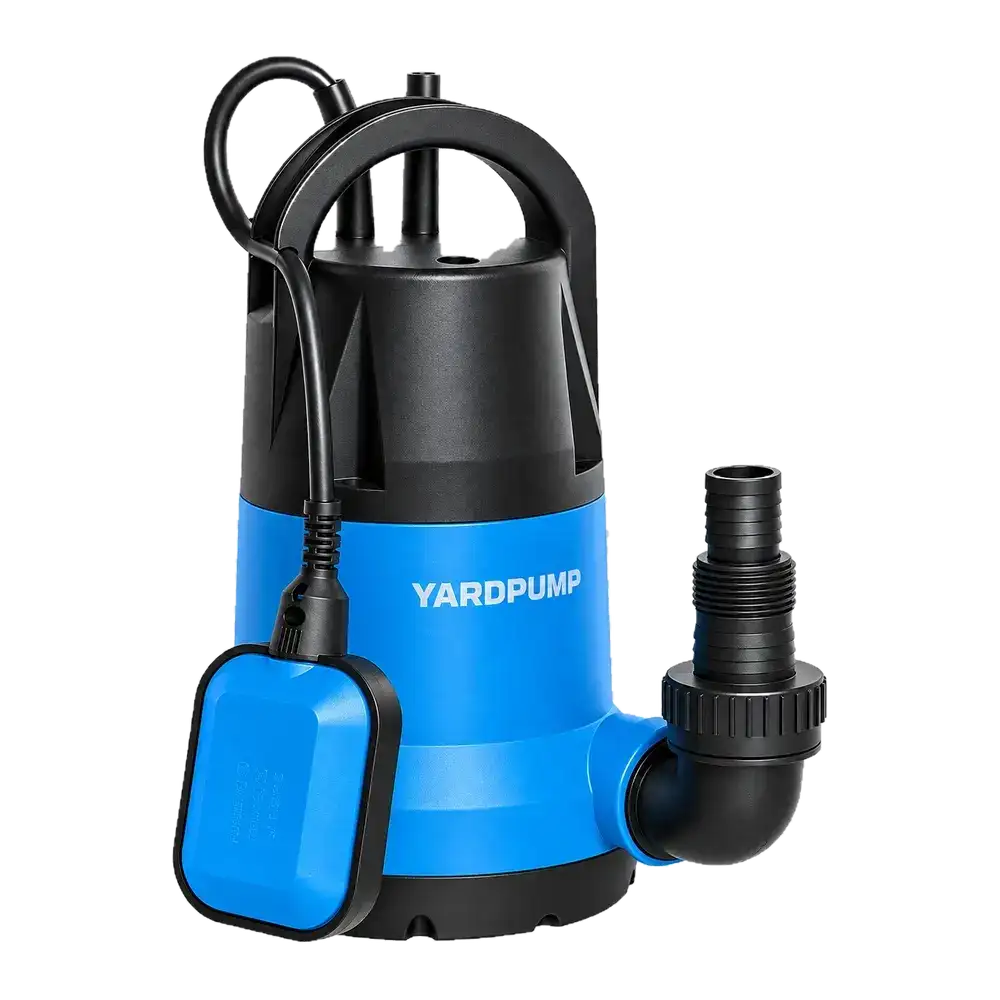
Suppose a sump pump’s float switch plugs into a receptacle, and the pump plug fits into the switch plug. After the two are connected, the cover will not latch. The purchase check verified the connector types but omitted the depth of the assembly and the space the cables need. Compare the fully connected stack with the clear space inside the cover when closed. Each plug fitting separately does not prove the assembly can be connected, protected and routed correctly.
Measure the usable space, including the cord path
Some float switches use a piggyback plug to control the pump. Putting the two plugs together adds projection from the receptacle face. Even if the overall depth looks sufficient, a hinge, latch, internal rib or cable exit can obstruct the plug or strain relief locally. An end-exit cable needs room to turn. A side-exit cable needs to reach a permitted opening. Do not obtain clearance by folding a cord at its strain relief or trapping it under the cover. A partially seated plug, a lid that does not latch or a cover pushed out by the cable is an unsuccessful fit.
Mark the receptacle face and draw the available space with the cover closed rather than using the cover’s largest detached dimension. Show the projection of both plugs when fully seated, any fixed orientations, the cable exits, strain reliefs and permitted bend space. Manufacturers may show separate outlines and no drawing of the stack, so obtain the actual parts where possible. Include a neighbouring socket, wall or bracket if it affects clearance or access.
Use a dry, unpowered fit check
Have the responsible people use the exact market versions of the pump plug, float plug and cover on a suitable unpowered mock-up. Confirm both connections seat properly, the cover closes and latches, the cords leave without being squeezed or sharply bent, and the arrangement follows the instructions. Keep photographs and hardware revisions. A replacement plug with a different cable exit can change the result without changing the prong pattern. Actual receptacles and wet-location wiring should be selected and checked by qualified personnel against the equipment and site requirements. Do not use a flooded receptacle for a trial fit.
In an illustrative fit check, the cover has 52 mm of clear depth when closed and the seated plug body projects 46 mm. The 6 mm of remaining depth does not help if the strain relief and turn require 14 mm and the exit does not align. A lid forced down onto the cord does not pass. Choose a compatible cover and assembly suitable for the location, or have the responsible installer select an approved control and supply arrangement. Do not cut a cover, improvise an adaptor, alter earthing parts or tape an open connection into place.
Put the conditions on the quote
Ask which pump and control versions are compatible, which electrical ratings and locations apply, and what the accessory pack actually contains. Geometric fit is only one check. Verify the suitability of the entire electrical and control arrangement. After a suitable installation, have qualified personnel check that the float really starts and stops the pump as intended. Keep a sample and layout if practicable. Review fit when a shipment changes cover, plug or cord construction rather than relying on the previous approval.
This applies where the pump permits an external plug-connected float control. A built-in float, integral controller or model requiring fixed wiring needs its own approved arrangement.
Frequently asked questions
Can I leave the weather cover open around the piggyback plug?
An open cover does not provide the intended closed-cover protection. Have the installation checked and select compatible parts that can close properly.
Can I substitute a shorter adaptor?
Length alone is not a basis for substitution. Check electrical compatibility, protection, location and the equipment instructions.
Is a deeper cover sure to fit?
No. The latch, cord opening and cover’s path as it closes may still interfere. Check the complete assembled configuration.