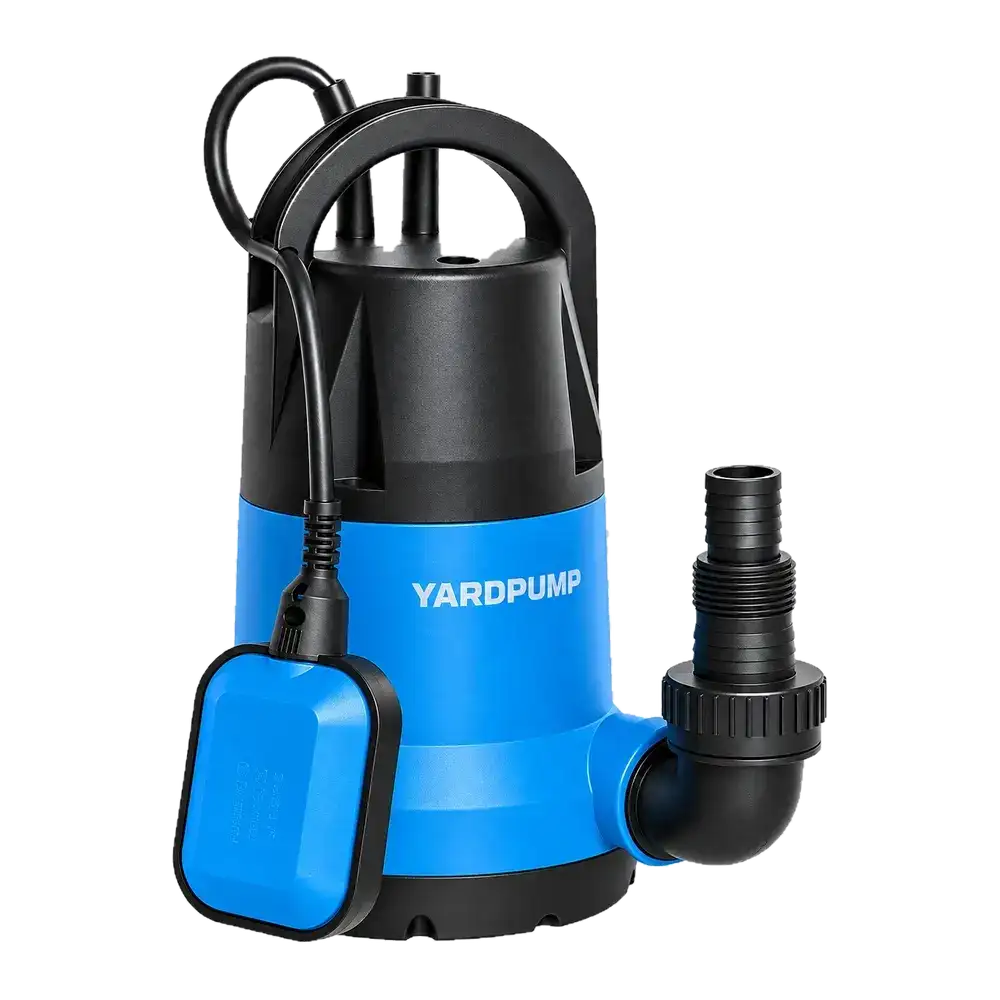
A user provides photographs of a water-level device and asks whether the markings reveal its manufacturer. They can provide useful search leads, but one blurred name does not establish the responsible manufacturer. A trademark, mould mark, distributor label and legal company name can serve different purposes. Cross-check the entity, model, product documents and supply channel before purchasing.
Separate visible evidence from an identity conclusion
Reflection, perspective, dirt and resolution can make lettering uncertain. Preserve possible readings where characters remain unclear. Image enhancement can help observation, but it cannot create reliable strokes that the original image never recorded. Do not turn reconstructed letters into a confidently stated company name.
Identify where the information appears: product label, moulded lettering, wiring diagram, packaging or instructions. A mould mark may identify a component rather than the assembled electrical device. The enclosure supplier, assembler and seller may be different entities.
The purchasing question is who takes responsibility for the specific product specification and delivery. A plausible name is a lead towards that answer, not the answer itself.
| Evidence | What it can help identify | What remains necessary |
|---|---|---|
| Moulded lettering or symbol | Candidate name, brand or mould identity | Relationship to the complete product |
| Full model label | Product-version identity | Agreement with documents and sample |
| Packaging and instructions | Declared entity and specification | Independent cross-check |
| Sales listing or contact | Potential supply channel | Authority and delivery responsibility |
Confirm the model and operating principle together
“Water-level switch” and “sensor” can describe different technologies. An unfamiliar plastic enclosure cannot establish whether the device uses a float, conductivity, capacitance or another principle. Obtain the actual model, wiring information and manufacturer instructions.
Even a visually similar listing remains a candidate match. Supply requirements, output logic, load capability and liquid suitability can differ. Do not approve a replacement from appearance alone.
Electrical inspection and intrusive work require isolation and qualified personnel following the relevant information. Bridging unknown terminals is not a suitable way to identify the device.
Use evidence from independent channels
Preserve readable original images and record which characters are clear and which remain uncertain. After finding a possible entity, compare its public identity, product range, exact model and verifiable contact details. Confirm through an independently obtained official channel rather than relying exclusively on the contact embedded in a listing.
Several copied listings may repeat the same error. Counting them as separate confirmations exaggerates the evidence. Look for a connection between the actual sample and product information supplied by the responsible entity.
Request the corresponding specification, label format, wiring instructions and lot-identification method. If the seller is a distributor, establish how the supply and manufacturing identities are linked. Until that connection is supported, describe the result as a candidate supplier or an unconfirmed identity.
Move from identification to purchasing approval
Consider a hypothetical photograph with two possible readings of one character. One reading leads to a company with a similar enclosure. The exact model, internal principle and document relationship are still missing. That result does not prove that the company manufactured the photographed sample.
The next step is product evidence from the candidate entity, not a stronger claim based on the number of search results. Confirm sample function, document revision, supply origin and traceability before approval.
Identity confirmation is only the starting point. It does not establish suitability for a pump-control task, certification coverage or a load-rating claim. Functional and electrical matching need their own verification.
This article describes an evidence process from photograph to supplier confirmation. It does not complete uncertain lettering into a named company or endorse the qualifications of a candidate manufacturer.
Frequently asked questions
Does a trademark directly identify the manufacturing company?
Not necessarily. Confirm the relationship between brand, seller, manufacturing responsibility and the exact model.
Does a clearer enhanced image settle the identity?
It can help reading, but the original evidence and independent product documents still need checking. Enhancement is not a source of new facts.
Can an identical-looking device be bought as a direct replacement?
Not without checking operating principle, wiring, electrical requirements, output logic and application conditions, followed by appropriate verification.