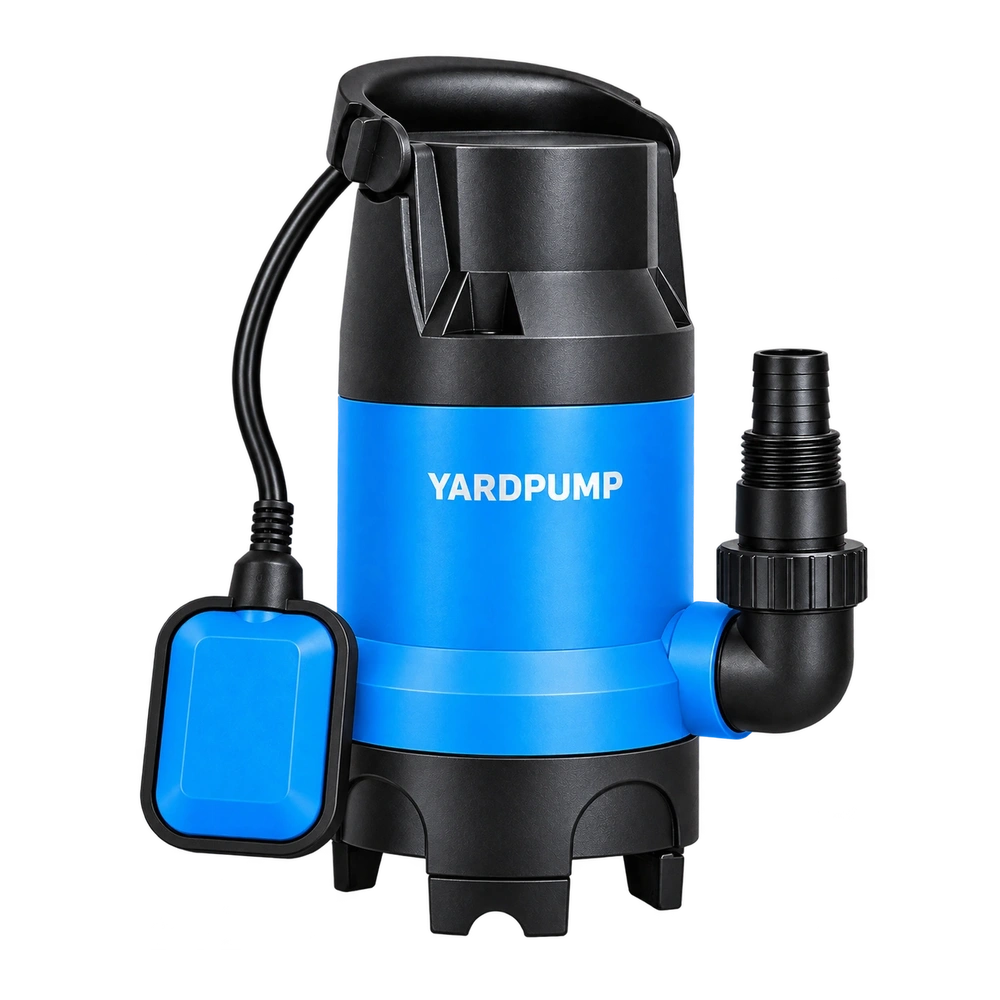
An automatic aquarium top-off system reaches its intended level, yet water continues arriving and the level overshoots. A smaller pump may reduce part of the extra volume, but it does not necessarily address the cause. Check actual flow, sensing and stopping delays, water remaining in the line and possible siphoning. If water continues by siphon after the pump stops, reducing pump output alone may not stop it.
Identify where level is measured and where water arrives
The system needs a defined target level and a clear understanding of the sensor's actual location. Surface movement, local flow and available level space can influence detection. A sensor indication does not mean water delivery must cease at exactly that instant.
After the pump stops, liquid already in the delivery line may continue reaching the outlet. Controller response, motor stopping and water arrival are separate events. Observe when the stop command occurs, when pumping stops and when delivery ends. Do not label every delay as a sensor failure.
| Source of extra water | What to examine | Limit of selecting a smaller pump |
|---|---|---|
| High running flow | Flow in the actual installation | May reduce short-duration delivery |
| Control and stopping delay | Detection and execution sequence | Does not remove every delay |
| Remaining line water | Pipe dimensions, routing and outlet | May not change the whole residual volume |
| Continued siphon | Reservoir and outlet elevations | Small pump size does not prevent siphoning |
Estimate volume using a defined interval
For a hypothetical example, assume actual top-off flow is 1 litre per minute and the equivalent continued-delivery interval after reaching the control level is two seconds. With constant flow, that represents approximately 33 millilitres.
This is a calculation example, not a controller response specification or a universally acceptable aquarium deviation. If flow decreases, the associated short-duration delivery can decrease, but the pump must still overcome the actual elevation and line losses and provide reliable supply.
A sustained siphon is different. Its continuing duration may not be determined by the control delay, so the simple calculation does not describe the complete event. Identify the mechanism before selecting a pump parameter.
Prevent an unintended continuous water path
Check the actual elevations of the source reservoir, receiving aquarium and delivery outlet, together with the pipe connections. Follow the equipment manufacturer's anti-siphon arrangement. Do not treat one check valve as an infallible sole safeguard, or improvise holes and wiring changes as a universal solution.
Top-off systems use different sensors and protection logic. Confirm the exact model's fault response, liquid suitability and installation limits. Two probes do not automatically mean every failure mode is covered.
Electrical installation and intrusive maintenance require appropriate isolation and qualified personnel. A hydraulic overfill issue should not lead to bypassed sensors or exposed electrical work near water.
Verify the installed system, including shutdown
Define the required water-control range, actual tubing layout, reservoir location and maintenance conditions. Record delivery flow, post-stop water and the resulting level change with the final installation. A short hose feeding a bucket may not represent the installed elevation or drainback.
Test abnormal-condition protection and recovery only through the approved procedure. Ordinary users should not bridge sensors to simulate faults. Include the amount of source water that could enter if supply continued; a small pump does not guarantee a small total overfill.
Water chemistry and livestock care need their own suitable management. This article establishes no universal aquarium water-quality target and does not judge biological suitability.
An ordinary utility pump is not automatically a dedicated top-off pump. No top-off accuracy or control capability is claimed here for any YARDPUMP model. The final acceptance question is whether the complete installed system stops delivery as required, rather than whether the pump is simply smaller than the previous one.
Frequently asked questions
Does water arriving after the level indication prove controller failure?
No. Line contents, response timing or siphoning can also contribute. Observe the command, pump and delivery separately.
Will adding a check valve solve every overshoot?
No. Check-valve and anti-siphon functions are not equivalent in every layout. Elevations, flow paths and valve condition still matter.
Is the smallest pump always the most precise choice?
No. It needs sufficient delivery capability and suitable interaction with the controls, tubing and post-stop behaviour. Power rating alone cannot establish precision.