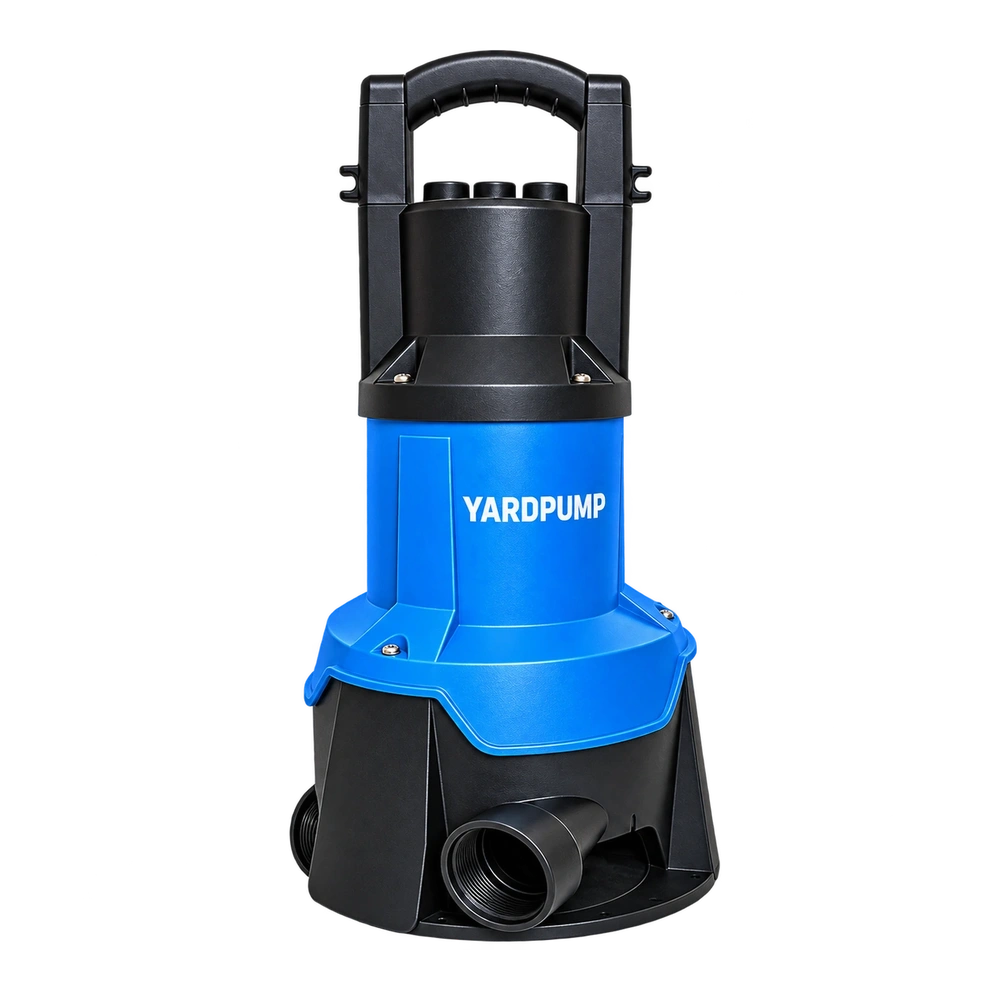
A flexible water bladder still feels heavy, but the transfer pump suddenly stops delivering. Do not start by applying more suction. As the bladder collapses, a fold can cover the outlet, and an unsuitable suction hose can flatten. Find the point where the continuous water path is lost. The correct response may be slower withdrawal, improved support or a different withdrawal method allowed by the bladder manufacturer.
A collapsing bag behaves differently from a rigid tank
A rigid tank has a fixed shape and normally has a specified means of venting or pressure control. A flexible bladder changes volume. Some designs are intended to collapse as water leaves, so drilling a vent or loosening a connection is not an appropriate copy of a rigid-tank installation. The folds depend on ground support, where the remaining liquid sits and how quickly it is withdrawn. If the wall seals over the outlet, the motor can continue running without useful delivery. The fold may relax when the pump stops, allowing a brief restart. Air leakage and hose collapse can produce similar symptoms.
Follow the water path section by section
Stop, isolate and release pressure as the equipment instructions require. Without pulling on the outlet, inspect the nearby bladder wall, the support and any kinked hose. Check fittings for a damaged seal. A small opening on a suction line can draw air without dripping outward. If the installation allows it, verify stable delivery directly from the bladder by its approved gravity method, then compare with the approved pump arrangement. Do not place a load on the bag to squeeze the last water out or run the pump without flow to try to pull a fold open.
Suppose approximately 80 litres remain. Flow stops during a fast transfer, but after a supervised restart under a permitted slower withdrawal arrangement, it remains stable. This illustrates why higher demand can reveal an inlet limitation. It does not isolate the cause on its own. A visible fold at the outlet with a round suction hose points toward the bladder path. A flattened hose points toward hose suitability. A stream of bubbles suggests an air path or inadequate priming. Keep observations from each arrangement so later testing does not start from a guess.
Specify usable volume and interface conditions
Ask the bladder manufacturer for the allowed orientation, fitting, support and withdrawal method. An outlet protector may be available for some designs; do not add an internal fitting without approval. On the pump side, check suction conditions, dry-run restrictions and actual delivery head. The pump's maximum flow does not establish what the bag can feed. Specify a reasonable unusable residual volume rather than relying on the pump to empty every pocket. For drinking-water applications, verify the whole contact path is suitable; rinsing equipment that previously handled nonpotable or chemical liquids is not proof of suitability.
A field instruction should say when to stop, what a blocked outlet looks like and how to handle the remaining water safely. If the bag shows damage, a shifting outlet or unusual swelling, stop and follow the equipment procedure. A more powerful pump may worsen collapse, and it will not repair a poor connection. Matching the withdrawal demand to the flexible source matters more than matching a pump catalogue figure to the bag capacity.
Repeat the check from two starting volumes. A reproducible loss of flow when the same fold reaches the outlet gives better evidence than the amount left at the end.
Frequently asked questions
Can I connect a pump to any soft water bag?
No. Confirm the allowed connector, outlet support and pump suction conditions for the specific bag. Similar appearance does not establish the same withdrawal capability.
Why can I hear water inside when nothing comes out?
A fold may isolate a pocket of liquid. Stop and use the bladder's approved handling method rather than continuing to run with no delivery.
Will a larger hose prevent the bag blocking?
A larger hose can reduce resistance, but it does not prevent the wall covering the outlet. Correct the actual restriction.