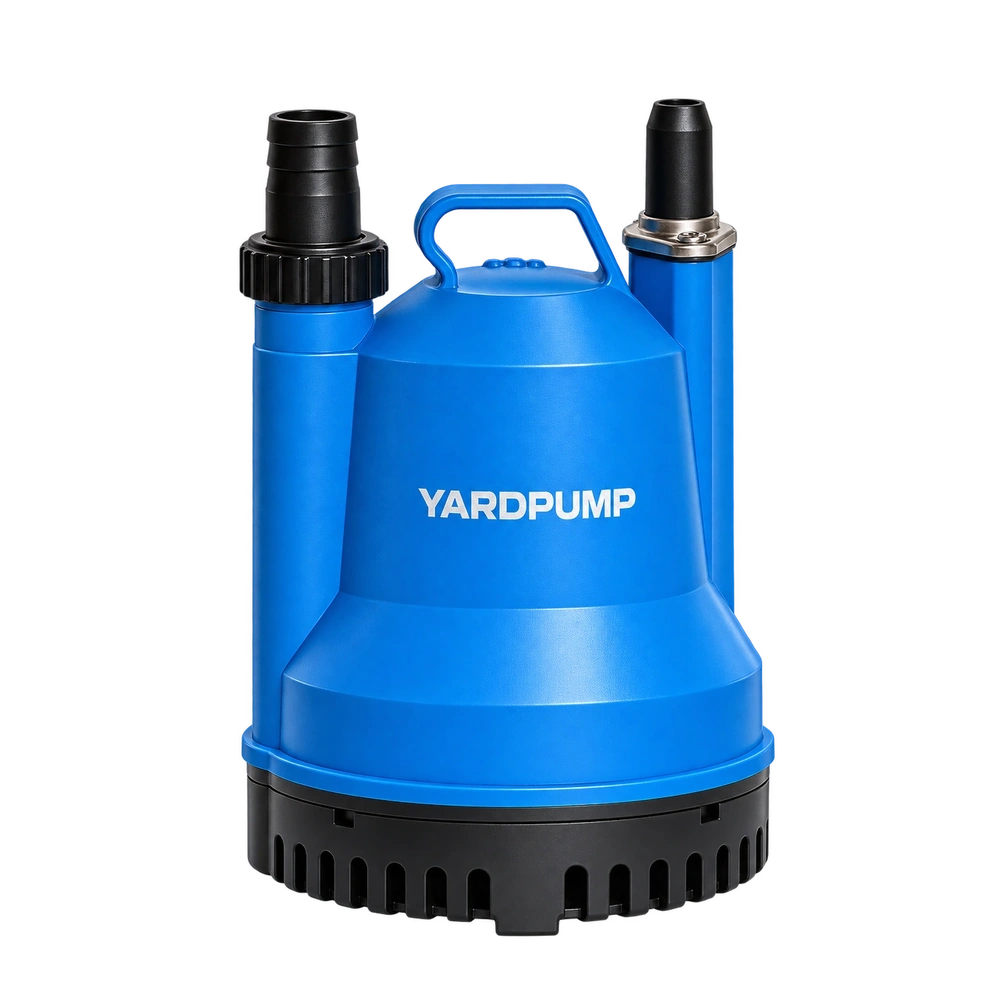
A collection trough is covered in white foam at the end of a floor wash. The foam seems high, but the pump has not started. Do not diagnose a failed switch from the top of the foam. The pump needs to move liquid; foam height, the continuous liquid surface and the amount of water available at the inlet are different observations. Check the real liquid level before selecting a pump or deciding whether its control is suitable.
A high foam layer is a poor measure of stored water
Foam contains a large amount of gas. Its top can rise quickly without a matching increase in the continuous layer of water below. A float needs enough buoyancy and room to move. Do not assume that every foam will lift it, or that foam can never interfere with it. The layer can also hide fibres, cloth fragments and settled material. An electronic level sensor has its own constraints. Foam, a wet film or deposits may affect some sensing principles. A product described as float-free still needs to be checked in the intended liquid.
Use an existing sight window, a safe observation point or a level measurement arrangement approved by the installer. Note the actual liquid surface, the foam line, the switch action and when discharge starts. Do not reach into a running wet trough or remove required guards to see better. Oil, solvents, sharp solids and unidentified cleaning chemicals require their own assessment. Do not assume a pump suitable for some dirty water can handle any wash liquid.
Use volume to check what your eyes suggest
Consider a hypothetical trough with a horizontal area of 0.4 square metres. Foam reaches 20 cm above the floor, but the liquid surface is only 4.5 cm above it. The continuous layer is about 18 litres. Treating the full foam height as water would give 80 litres. This comparison ignores equipment displacement and the liquid that may be released as foam collapses. It is not a starting depth for any pump. A foam overflow can still cause trouble even when liquid depth is low; manage that risk separately from the volume the pump is expected to remove.
Give the buyer both the level changes during a plain-water rinse and the foam and switching conditions during the normal cleaning process. Include the temperature, chemistry, solids and discharge route. If the actual level is below the maker's running limit, a high foam layer provides neither reliable inlet supply nor cooling. If the real liquid reaches the normal on point without starting the pump, have the float freedom, fouling or sensor surface checked. Those two cases call for different decisions.
Test the chosen arrangement in the real process
A different collection point, a quieter area for measuring level or a less foaming process may help. Do not assume that a defoamer, filter cloth or other additive is suitable for the pump or for the receiving drain. Isolate equipment before moving it or working around the inlet, and use qualified staff where required. For acceptance, compare an approved clean-water check with the normal foamy process. Observe whether the control reliably starts and stops at appropriate liquid levels, discharge stays steady, and fibres are not caught at the inlet. A pass in an unfoamed test bucket does not establish that the wash-water job has passed.
A shallow sheet may first need to collect in a suitable point before a compatible pump can move it. An unattended arrangement needs a control proven with the actual liquid and a plan for a fault. When the surface is hidden, the top of the white foam is not a reliable mark for automatic pump operation.
Frequently asked questions
If foam covers the float, should the pump already have started?
Not necessarily. Check actual liquid depth, buoyancy, float position and interference against the instructions for that control.
Does a foam layer that soon disappears matter?
It can. Record when it rises and when it subsides, because a control error or overflow may occur during that interval.
Would a higher-power pump fix this?
Higher power does not turn foam height into liquid level. Confirm the liquid, inlet and control first, then select for the required flow.