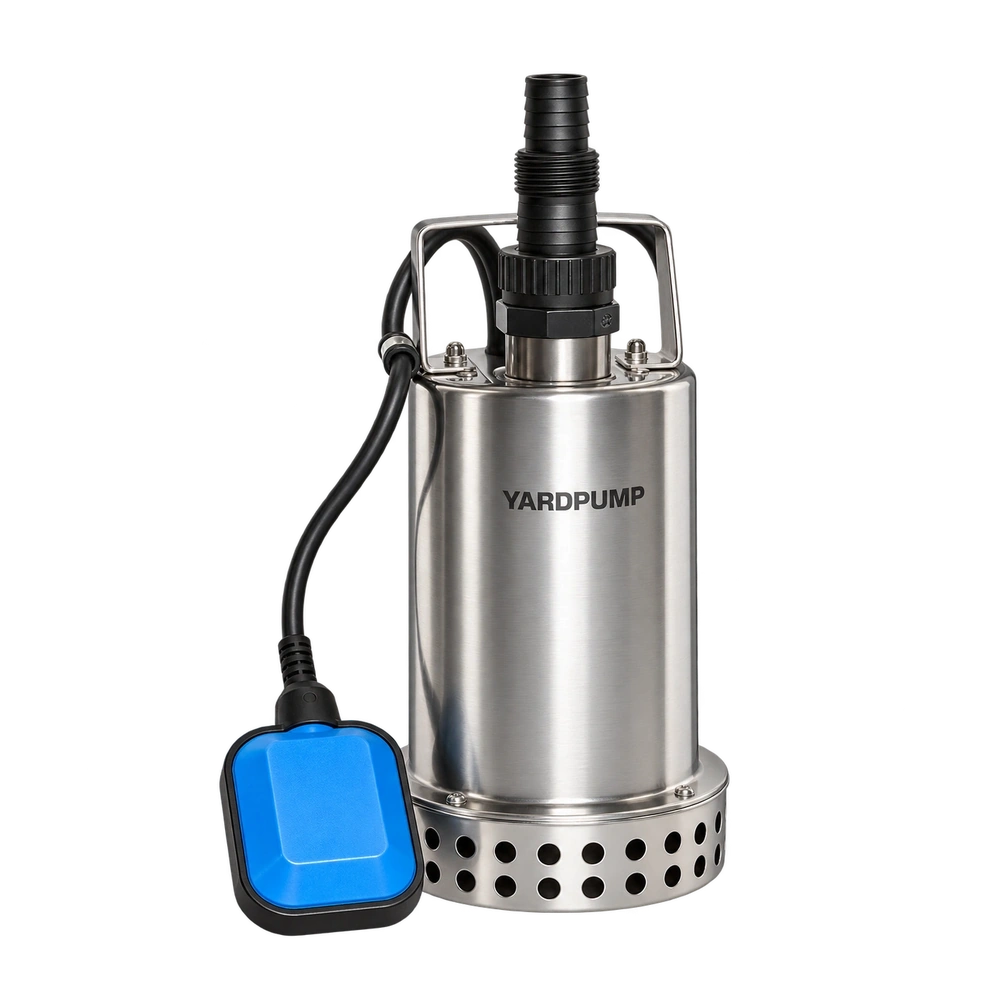
Take an example from a garage ramp. During rain, water runs towards an underground garage door but the sump pump rarely starts. Do not size the replacement from the amount of water at the door alone. A pump removes water that reaches its basin. Runoff may cross or go around the grate. It may also enter the trench and come back to the surface because the route to the sump is backed up. Those problems call for a different response from a rising sump with a pump already running continuously.
Follow the water from a safe place
Sketch the ramp slope, any sideways fall, the grate width, walls, the trench outlet, the basin inlet and where excess water can go safely. Look for flow passing over the middle of the grate or around either end. Leaves, a fast narrow stream or a settled edge of the driveway can concentrate runoff where the nominal full-width trench does not intercept it well. Record the surface, trench and sump at similar times. Water by the door alone does not tell you what the pump was asked to handle.
If the trench water stays low as runoff crosses the grate, begin with interception and the clear openings. If the trench is full and spilling back while the basin remains low, check elevation, sediment and obstructions between trench and basin. If both rise while the pump runs, investigate delivered flow, discharge head and where the water goes. More than one problem can occur in the same storm. Do not enter flowing water, the vehicle path or an area with unsafe electrical equipment to collect evidence. Leave a displaced or loaded grate to qualified site staff.
Distinguish what arrives on the ramp from what reaches the basin
Take a hypothetical flow of 60 litres per minute arriving down the ramp. The trench might capture 25 while the remaining 35 reaches the door. A pump delivering 30 litres per minute at the installed head could keep the basin from rising. Replacing it with a pump delivering 50 would not intercept the 35 litres outside the trench. If a redesign captures most of the 60, the old pump may then be too small. Those numbers illustrate a balance, not a runoff estimate, capture ratio or design target for any garage.
A property manager or contractor can arrange a low risk, controlled check of the connection under the site procedure. Do not deliberately flood the ramp to reproduce a storm. Record any bypass, the trench water line, the basin level, initial storage and where nearby surfaces feed runoff. A connection that passes a little water has not been proved under a storm inflow. For repeated incidents or high consequences, ask a drainage professional to assess design runoff, interception, trench conveyance and storage under the local requirements.
Use the result to choose the first change
Clear surface debris only when it is safe and permitted and restore the intended passage through the trench. If the peak stream goes around an end, ask the designer to inspect the edge and interception layout. If sustained high water in the basin is the limiting condition, select against the installed flow and head and check the alarm, backup and safe overflow route. Do not alter a load bearing grate, flood barrier or vehicle route without the responsible approval. After the change, establish separately that the intended water reaches the pit and that the installed system can remove it. Those are two different jobs.
Look at normal maintenance records for the sump starts, alarms and trench cleaning. If paving or settlement changed near the side carrying the stronger stream, compare the date with the first bypass observation. Keep groundwater and other drains entering the same basin separate; pump runtime cannot be used to infer how much fell on this ramp.
Frequently asked questions
Does a low sump level prove the ramp is draining properly?
No. It reflects water that actually enters the sump and water pumped out. Water may still bypass the grate and enter the garage.
Will a clean grate always catch the runoff?
No. The slope, flow approach, effective width and downstream water level also affect capture.
Should the pump be checked again after correcting the grate?
Yes. More intercepted water may change the load on the pump, available storage and alarm.