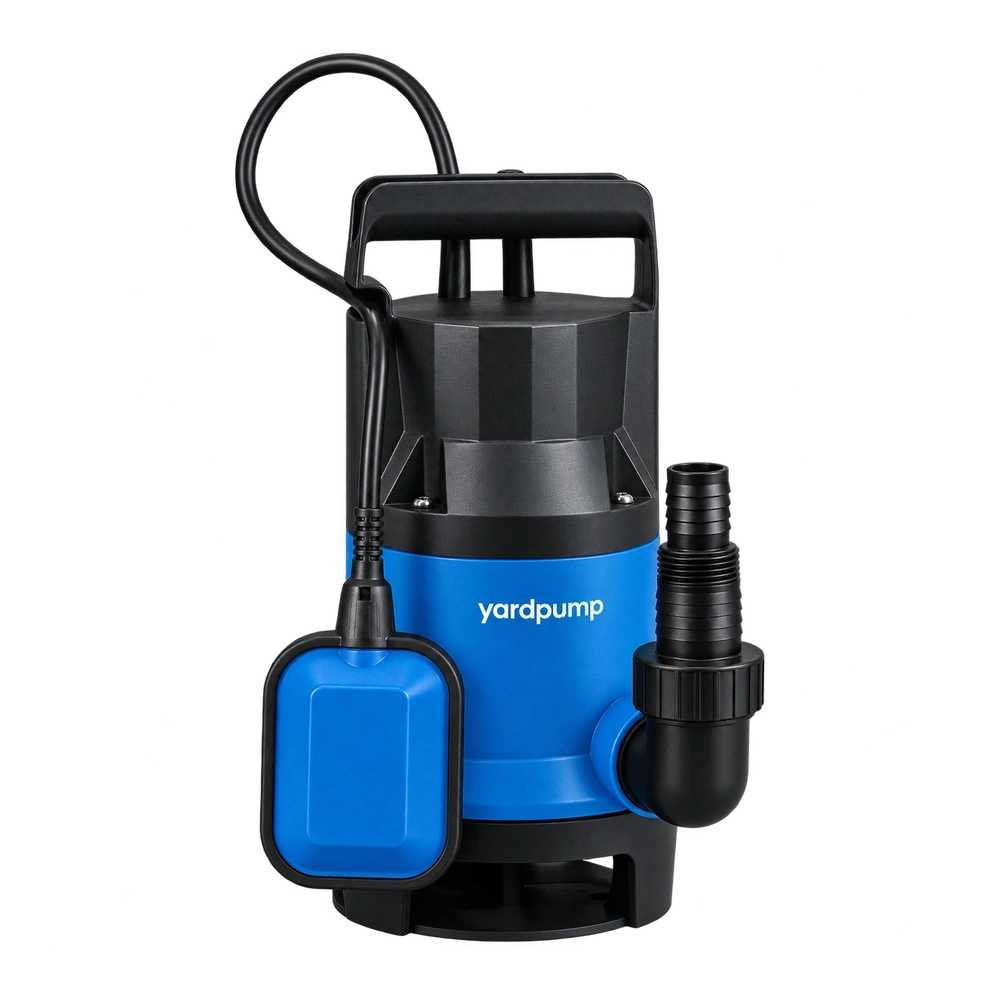
Consider a nursery drainage pump that starts briskly after a potting bench is rinsed but soon dwindles to a thin discharge. There is no large object jammed in the impeller. Instead, a thin mat of coir strands covers the intake. Decide where the fibres should be intercepted. A strand small enough to pass a hole can still bridge a rib and catch the next strand. A generous solids passage does not establish reliable service on water carrying fibres that mat or wrap.
Put the collecting surface where it can be serviced
A coarse interceptor at the bench outlet keeps clumps close to the work that produced them. The consequence of neglect is water backing up on the bench, so maintenance and a safe relief path matter. A lift-out basket at the entrance to a collection box can provide more free area and keep routine cleaning away from the pump. The pump's own inlet guard should remain in its designed position. It protects the intake but is rarely a good sole collection surface for a bench load of fibres. If fines travel past the first stages and wrap the impeller, check permitted media and service access. Cutting away a guard is not a remedy.
Select a basket by more than hole size. Look at free area, how incoming water spreads and where it goes when the basket loads. A concentrated jet can blind one corner before the rest of the area has done any work. Check that lifting the basket will not spill the accumulated material into the clean side. In a reuse installation, separate concentrated substrate rinse from cleaner drainage where practical. A solids screen alone does not establish water quality for reuse.
Use the declining flow to set a cleaning trigger
Suppose a busy bench sends 18 litres per minute into a collection area. With a clean basket, the installed discharge is 28 litres per minute. After the basket loads it drops to 13. The area gains five litres a minute. If the volume remaining before safe overflow is 20 litres, that reserve lasts about four minutes at constant rates. This example shows why a daily cleaning routine may not catch a short intensive rinse. It is not a recommended time limit for every nursery.
Commission first with a clean basket, checking actual delivery and low-level stop. Then use a controlled representative load and record both levels and delivery over time. Do not deliberately feed long strands into a running pump to prove it can pass them. A difference in level across the basket can serve as a cleaning cue if tested against actual flow. If the downstream side is also high, investigate its drainage before blaming the screen. Include the safe route the water takes if an operator cannot respond immediately.
When the layout needs to change
If fibre load surges with each batch, late cleaning causes spills, or the concentrated water cannot be discharged as ordinary drainage, consider dry collection first, a separate waste stream or a designed screening arrangement. Isolate power and prevent incoming water before servicing the basket or inspecting the intake. Stop a pump that runs with almost no delivery rather than leaving it to run short of water. A stable setup makes the collecting surface obvious and accessible, so the pump is rarely the first place an operator has to look.
Test service access as well as water flow. With the equipment stopped, have the operator remove a representative loaded basket and record the handling time and collected material. A basket that becomes too heavy, has a submerged handle or has nowhere to empty is unlikely to receive the intended maintenance. Include the collection container and shift check in the handover, rather than specifying only a mesh size.
Frequently asked questions
Will a larger solids-passage pump avoid this blockage?
It may pass larger discrete objects. Long flexible fibres can bridge openings, form mats or wrap, so verify that duty separately.
Why can a finer screen make overflow worse?
Finer openings can blind earlier. Match interception to free area, maintenance frequency and a safe overflow route.
Can a basket sit below the pump?
Follow the actual path of the fibres. A basket below the pump may miss material that floats or arrives from the side.