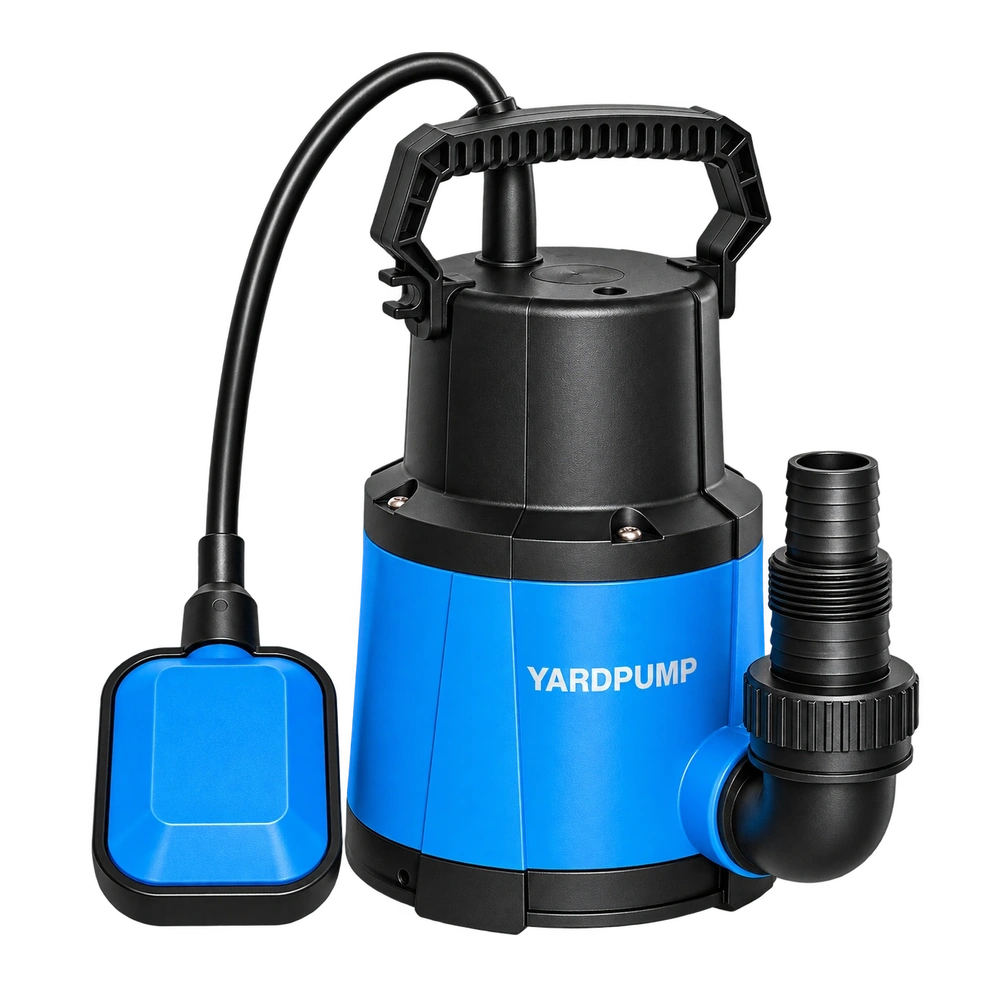
Imagine a koi keeper placing a small drainage pump in a filter chamber to empty it for service. The chamber level falls, then stops falling even though water keeps leaving through the hose. The pond level begins to drop. Stop and verify that the chamber is isolated on both the inlet and return sides. The goal is to remove the chamber’s dirty water and predictable drainback. If a connection still admits pond water, a larger pump can lower the pond faster without correcting the isolation fault.
Trace the water paths with the circulation stopped
A gravity-fed filter may receive water from a bottom drain and return it with a circulation pump. A pump-fed system may send pond water up to a filter and return it by gravity. The service procedure differs. Sketch where water can move after the circulation pump stops, including any low connection, bypass or return capable of draining back. Identify the actual shutoffs and make sure they are accessible. Do not assume that a switch stopping a pump also shuts off water. A valve position indicator is useful, but if the valve does not seal, water can still transfer.
Isolate the electrical equipment from a dry location before touching the chamber, follow the system’s service procedure, and keep any separate aeration or essential circulation available to the fish as planned. Do not enter a chamber. Put a temporary mark on the pond and chamber. Observe the chamber during a controlled initial drawdown. If it refills steadily or the pond level changes, stop the drainage pump and have the path checked. A float placed only in the chamber cannot sense that the main pond is being depleted.
Account for pipe volume as well as chamber volume
For illustration, a chamber has 150 litres between its operating level and the intended drain level. Pipework above that level may release another 25 litres after the system is isolated. At an assumed installed discharge of 35 litres per minute, the simplified emptying time is about five minutes if flow remains steady. If a valve admits another 15 litres per minute continuously, the net drawdown is only 20 litres per minute. The hose can keep discharging after the expected time, and some of that water is from the pond. Do not use time alone to prove isolation: a partly blocked intake or an unanticipated hose lift can also extend the job.
Keep the hose outlet where you can observe it safely and where dirty water is allowed to go. A short slug from a return line is different from continuous refill. Note when the level change begins and stops. For a system with multiple chambers, repeat the observation for each one; two chambers may be connected below a divider even when their surface flow looks separate.
Pick the pump for what is in the chamber
Filter cleaning may release concentrated sediment, string algae or trapped leaves. Determine whether the drainage pump allows those solids and the actual water conditions. A passage that accepts a round particle may still snag fibres. Remove accessible bulky debris by the permitted method with power isolated. Avoid stirring all the sediment into the chamber unless the cleaning method and pump can handle it. For the last shallow residue, use the equipment’s approved low-level method; do not leave a conventional pump running in an attempt to remove every puddle.
After cleaning, restore each valve and circulation stage in the prescribed order. Check for leaks, normal return flow and adequate aeration before leaving the pond. If a filter needs extended work, plan an alternative way to preserve the fish’s conditions with the owner or an aquatic-system specialist. The safe decision point is repeatable: the chamber goes down, the pond does not, and the measured discharge stops as expected.
Frequently asked questions
Does closing the feed valve guarantee isolation?
No. A return, bypass or leaking shutoff may still admit pond water. Verify the actual level changes during a controlled check.
Can I discharge the cleaning water back into the pond?
That defeats the purpose of removing captured material and may disturb water quality. Use the site’s agreed discharge or collection method.
Is a larger solids passage enough to choose the pump?
No. Consider fibres, abrasive deposits, water compatibility, permitted residual depth and installed head as well.