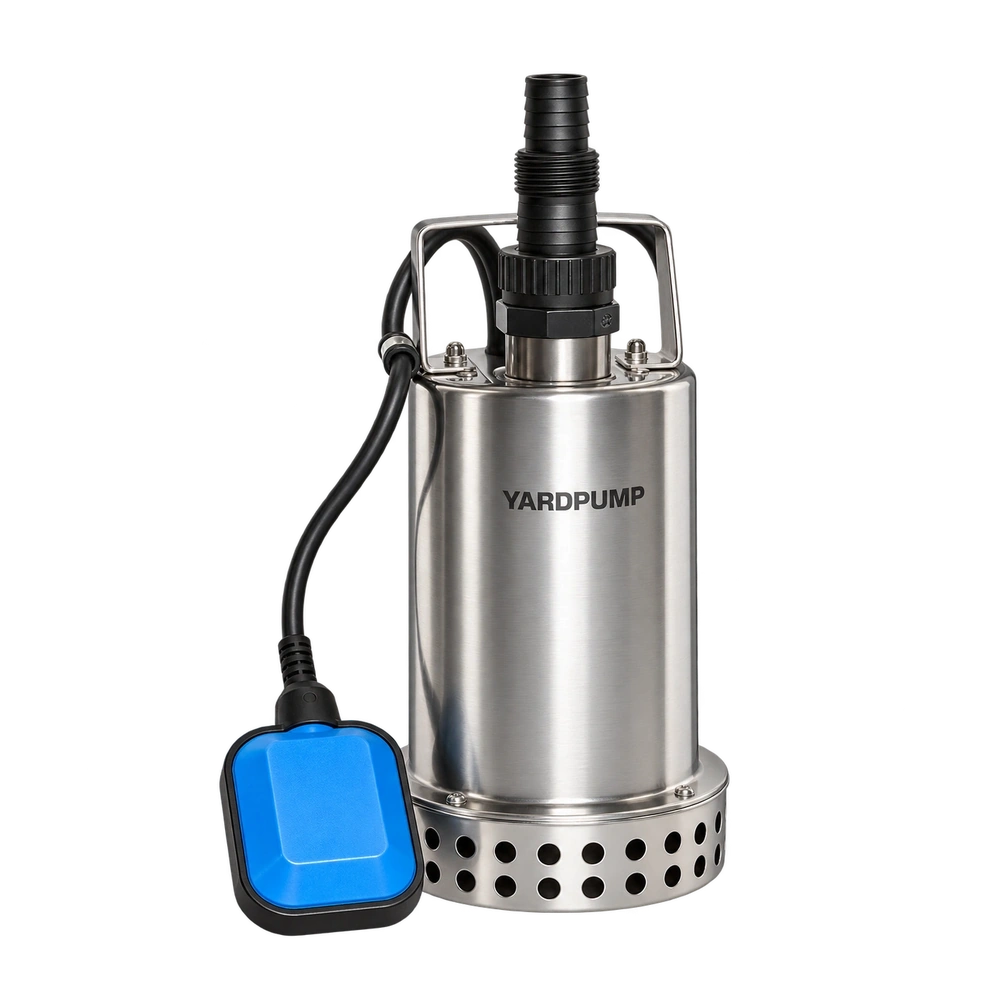
Imagine two sumps connected by a pipe. Only the pit beside the door has a pump. During heavy inflow, the pumped pit drops quickly, but water in the other pit keeps climbing towards its inlet. A larger pump at the door may lower that pit faster and leave the remote pit in the same trouble. First establish whether the connecting pipe can carry the remote inflow before either pit reaches its allowable water level.
Equal levels at rest do not prove adequate transfer
When the pump is off and inflow is small, connected pits may settle at nearly the same level. That shows a hydraulic connection under those conditions. While the pump runs, a difference between the water surfaces drives the flow through the link. Pipe bore, length, bends, partial blockage and the shape of the openings affect the amount transferred. A connection that slowly equalises levels at rest can still be too restrictive during a storm.
Put both pits on one elevation drawing. Include the remote inlet invert, the highest acceptable level at each location, both ends of the connecting pipe and the pump start and stop levels. Measurements taken separately from two different pit floors can make the relative positions look different from what they are. If the pumped pit stops below a connection that has already become uncovered, water may remain in the remote pit. A higher overflow path that operates only during unusual conditions does not establish normal transfer at low levels.
Watch both pits during a controlled test
Where the site and equipment permit a safe test, record each water level alongside the pump start and stop times. Compare equalisation with the pump off and the level difference while it runs. If both pits rise while the pump operates, check total inflow and the installed pump delivery at the actual discharge head. If the pumped pit falls but the remote one rises, the connection is a stronger suspect. If the pump cycles rapidly while the remote pit stays high, check the elevations of the connection and control settings as well.
Suppose, for illustration, the remote pit receives 18 litres per minute. The connecting pipe can transfer only 12 litres per minute at the maximum permissible difference between the levels. The pump might deliver 30 litres per minute on the installed discharge line, yet the remote pit still gains about six litres per minute. If that pit has 24 litres of useful storage before its limit and the rates stay steady, it has about four minutes of margin. These figures illustrate the bottleneck. They are not dimensions, ratings or recommended design values.
Decide whether to retain one pump
Inspect the connecting route for sediment, a partly covered entrance, or a section that might trap air. Use the approved site isolation and inspection arrangements. An unassessed pit is not a place to enter for a quick check. If a clear connecting line still cannot transfer enough water inside the permissible level difference, have the layout assessed for a larger transfer path, different inflow routing, or a separate pump for the remote pit. Turning off a remote alarm does not protect the area it was intended to monitor.
For a shared pump, witness a test that represents inflow to both pits and confirm that the remote high-water indication is meaningful. For two pumps, verify any shared discharge separately. The outlet arrangement, check valves, combined flow and receiving capacity may change the system behaviour. Sewage, unknown contamination, confined spaces and building drainage design require appropriate site-specific review.
What matters is the flow through the connecting pipe while both water levels are still acceptable. The fact that two pits eventually show the same level is only the start of that decision.
Frequently asked questions
Should the connecting pipe be installed as low as possible?
A lower connection can transfer sooner, but may be more exposed to settled solids. Consider access for cleaning, actual transfer capacity and the relationship to the stop level.
Is an alarm in the pumped pit enough?
If the pits can develop different levels during pumping, a low reading at the pump does not confirm that the other pit is safe. Monitor the location that actually needs protection.
Can a higher stop level fix the remote rise?
It may change cycling or keep a connection covered. It does not increase the pipe’s transfer capacity at a given permissible level difference.