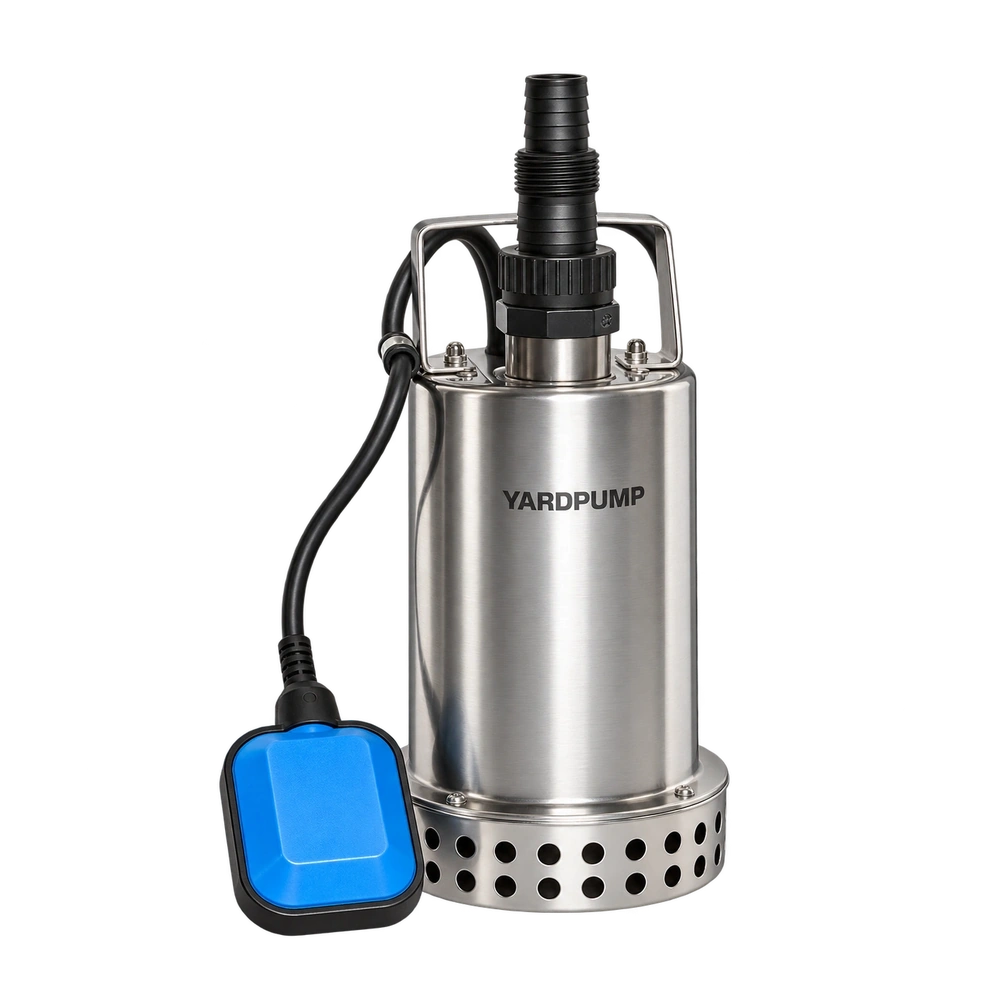
An ebb-and-flow growing bench must reach its target level within a few minutes. Should the buyer simply choose the largest maximum-flow pump? First separate filling, holding, draining and return storage. The pump serves part of the cycle; bench level, valves, return routes and reservoir capacity determine whether the complete task works.
Draw the whole cycle
Identify the reservoir's starting level, benches operating together, filling target, holding method and drainage route. After shutdown, does liquid return by gravity, through a separate valve or through a dedicated connection? Follow the actual equipment design. Do not assume every pump permits or provides a reverse-flow return path.
Filling time is also different from root-zone absorption time. Crop management and system design determine target depth, holding period and irrigation frequency. A hydraulic calculation cannot prescribe those agricultural conditions.
Specify the operating sequence before choosing the pump. Otherwise the supplier may optimise a filling flow while the buyer expects reliable completion of the entire cycle.
Calculate the required fill volume
For a hypothetical geometric example, an effective bench area of 12 m² and an average liquid depth of 20 mm give an empty-bench volume of 240 litres. Filling that volume in four minutes would require an average 60 L/min before allowing for other effects.
Actual requirements need consideration of pot displacement, absorption, pipe contents and permitted variation. The example is not a standard depth or flow recommendation for a crop. Different containers, growing media and bench channels can change the effective volume, which should be established through design information or controlled measurement.
| Cycle stage | Main check | Common omission |
|---|---|---|
| Filling | Target volume and installed delivery | Using zero-head maximum flow |
| Holding | Control method and target level | Continued pumping creates excess |
| Draining | Gravity route, valves and low points | Assuming pump-off means empty |
| Recovery | Available reservoir space | Several benches returning together |
Select at the actual head
Use the lowest relevant reservoir level and the bench supply position, then include pipe, valve and filter resistance. Find delivery at that operating point on the appropriate curve. As the reservoir falls, the lift can change.
Sequential zones and simultaneous zones create different flow requirements. They should not share an undefined “total flow” specification. State which combination the pump must serve and how control prevents unintended overlap.
Uneven filling is not necessarily insufficient pump capacity. Check bench level, branch resistance and valve arrangement. A larger pump cannot correct a sloping bench and may make the lower area overflow sooner.
Leave somewhere for the water to return
The reservoir must accommodate the agreed simultaneous return volume while retaining suitable operating space. Filling the reservoir to the top after the benches have been flooded can leave no room for their drainback.
Include return rate, retained pipe liquid and the water route during an unexpected power interruption. The final design should remain understandable without relying on an operator remembering an unwritten sequence.
Nutrient formulation, root debris and cleaning procedures also affect pump suitability. Ebb-and-flow irrigation is not simply another name for clean-water transfer. A blocked filter, falling liquid level or control fault can change whether the cycle finishes correctly.
Accept a complete cycle
In the approved layout, observe filling time, level at the least-favourable location, holding and drainage results, and maximum and minimum reservoir levels. Record control actions and filter condition. Test the planned combinations of zones where relevant.
Isolate electrical power before cleaning or adjustment; do not reposition energised equipment in the liquid. Purchasing records should retain the zones, volumes, duty point and control sequence rather than reducing the application to a wattage label.
This framework does not prescribe crop-irrigation settings or establish nutrient-solution and duty suitability for every YARDPUMP model.
Frequently asked questions
Can fill time be calculated from maximum pump flow?
Not reliably. Use installed delivery and account for bench, pipe and absorption conditions.
Will liquid always drain back after the pump stops?
No. Verify the designed return route rather than assuming reverse flow through any pump.
Can a larger pump correct an unlevel bench?
No. Geometry and distribution need separate correction.