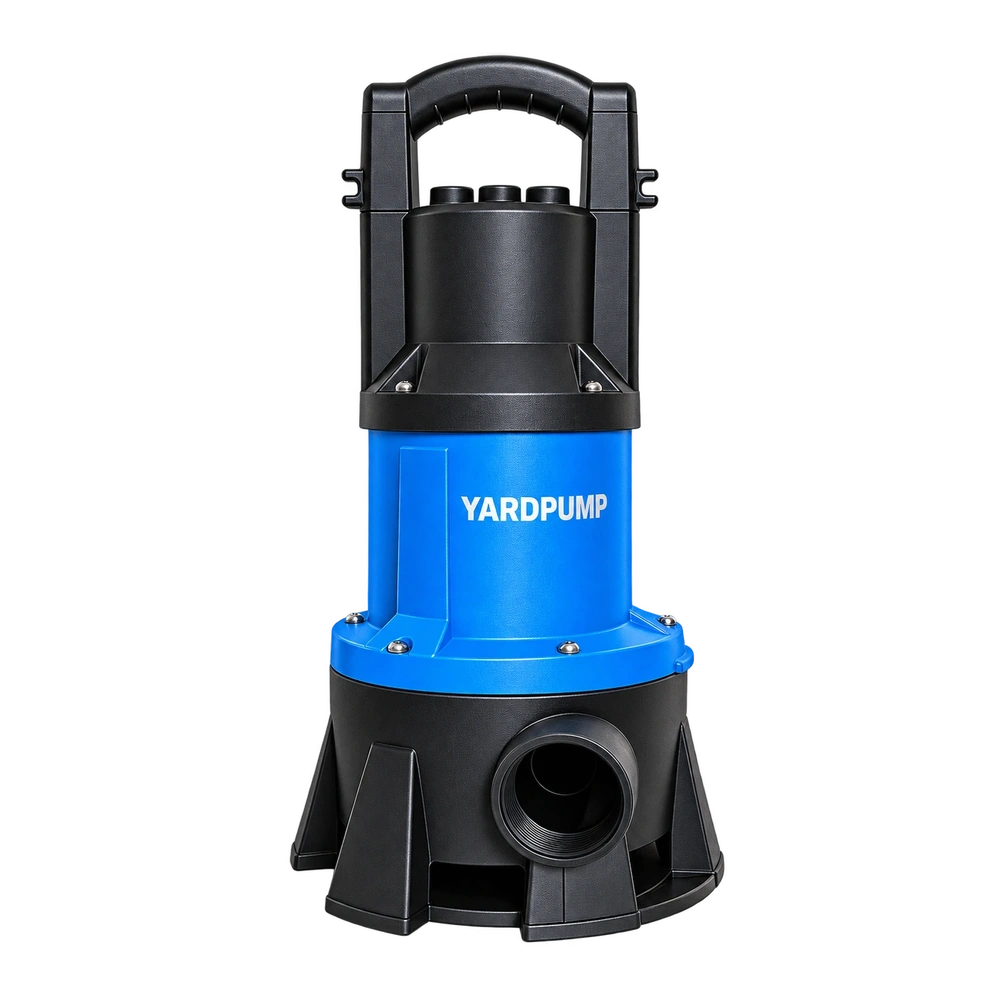
Flooding an outdoor rink is usually about spreading a thin layer at a predictable rate, not emptying a tank as quickly as possible. Start with the volume per layer and the pace the operator can maintain. Then measure delivery through the actual hose and applicator. The cold that helps the rink is also a risk to the equipment: the pump, couplings and hose must be drained or moved as their instructions require before trapped water freezes.
Convert a proposed layer into water volume
A millimetre of water over a square metre is approximately one litre. As an example, a two millimetre layer on 200 square metres requires about 400 litres before losses. If the installed equipment delivers 25 litres per minute, continuous delivery takes about sixteen minutes. That is a planning number. Water can accumulate in low areas, run off an edge or drift in wind. Split the area into passes and observe actual coverage instead of assuming that pump run time yields an even depth.
Compare free flow at the hose with delivery through the applicator. A long small-bore hose and a narrow head can impose much more resistance than the open outlet used to demonstrate a pump. Check the nozzle requirements, elevation and fittings when selecting the unit. Measure flow after fitting the real head rather than relying on the carton maximum. If the pump takes water from a tote, confirm the minimum working level and whether the inlet remains supplied as the tote empties. Do not control the rate by repeatedly pinching a hose or closing a nozzle unless that operation is specifically allowed.
Plan the end of the job before switching on
A coupling cavity, check valve or sag can hold water when the hose looks drained. Decide how the line will be shut down, isolated, emptied and removed without sending runoff across a walkway where it can refreeze. Choose a route with as few trapped low points as practical. A hose brought back indoors still needs safe handling of the remaining water. Use electrical equipment only within its installation conditions, keep connections away from pooling and isolate power before handling the pump or fittings.
A suspected ice plug is not an invitation to push harder. If output stops abruptly or the line swells, stop and isolate the equipment. Follow the hose and pump instructions for thawing or replacement. A frozen restriction can create pressure on the upstream side even with no useful delivery. Unapproved heat or an attempt to force the blockage out may damage the hose or eject a fitting.
Measure a trial strip
Use a measured container or verified meter to learn what the installed line delivers per minute. Flood a small trial strip and compare the result with your intended coverage. Adjust the operator's speed and the length of each pass. If the line freezes between passes, reducing setup and removal time may be more useful than increasing pump size. The person responsible for the rink determines whether conditions permit flooding or skating. Neither pump capacity nor a calculated layer thickness proves ice load capacity.
A trial strip should include the move to the next strip. Time the actual interruption, not only the application. A layout with low pockets may be easy to fill and slow to drain. Check the hose, connectors and applicator separately before treating the whole arrangement as ready for the next shift.
Frequently asked questions
Will a thicker layer build the rink faster?
Follow the rink maintenance plan and weather limits. A thicker layer can run into low spots and take longer to freeze, even if the pump delivers it rapidly.
Can a hose freeze inside without visible ice outside?
Yes. Low spots, narrow couplers and nozzles deserve particular attention. Isolate the line before dealing with a suspected blockage.
Do I need automatic low-water shutoff?
It depends on the source level, the pump's allowable operation and supervision. A low-water feature does not remove the need to empty the equipment at the end.