Rain has stopped, yet the pump on the pool cover starts again every so often, and the pool level is lower than it was when you closed it. Pause the cover pumping arrangement and compare the water above and below the cover from the poolside. A tear in a cover that touches the water below can let the pump draw from the pool. Water can also trickle from cover folds after a storm while the pool loses water somewhere else. The number of times the pump starts cannot settle either question.
Identify the cover and where the two bodies of water meet
An intact solid cover keeps rainfall on top. Mesh covers and covers with designed drainage areas work differently. Identify the exact cover, its allowed pool level for the season, the approved pump, and the area where the pump belongs. A solid cover can sag under collected rain or rest on the pool in places. If a tear or failed seam contacts pool water, the pump can lower the top puddle and water can then refill it from below. A tear above the pool surface may not let water through continuously. Water trapped in folds on an intact cover can also feed the low spot for a while after rain and then run out.
Observe from the deck. Do not step onto the cover or go underneath it. Keep people, especially children, away from a suspect or sagging cover and call the cover service provider if its safety is unclear. Disconnect the pump from a safe, dry location as directed before handling it. If the cover is loaded, damaged or inaccessible, do not force it to roll up or pull the pump across it to look for a hole.
Record two water levels to separate a leak from a coincidence
From a safe fixed position, use independent level markers for the pool and the puddle near the pump, and record time, rain, pump operating periods and any visible discharge. Use the same poolside position or an existing means of observing water level. The edge of a sagging cover is not a measure of pool level. If the pool keeps losing water while the pump is paused, the pump is unlikely to be the only explanation. Have the pool, plumbing and overflow assessed. If the level dropped while the pump repeatedly discharged and the drop slows after pausing the pump, that supports the possibility of water crossing the cover. Check for simultaneous filling, overflow or pipe leakage before treating the comparison as conclusive.
For illustration, a 5 mm drop in a pool with an effective surface area of 24 square metres represents about 120 L. Suppose the cover has one shallow puddle averaging 3 mm deep over 4 square metres. It holds about 12 L at that moment. The figures do not balance the whole system: one is a pool change over an interval and the other is the water still on top at one instant. Earlier rain may have supplied additional water. The comparison helps you decide which source to investigate. Do not run a pump on a cover already suspected of damage to obtain these numbers.
Match the repair to what the observations show
If there is a visible tear, seam problem or another sign of communication between the pool and the top, have the cover provider assess repair or replacement using the procedure for that cover. For a service report, show the cover type, pump position, suspect area and pool level together. If water only gathers occasionally after rain and the pool level stays steady, check whether cover folds are emptying or whether the approved pump needs repositioning. If the pool level still drops with the cover pump paused, have a pool technician check the pool and plumbing. Follow the required pool and cover water levels; a large drawdown is not a suitable diagnostic shortcut.
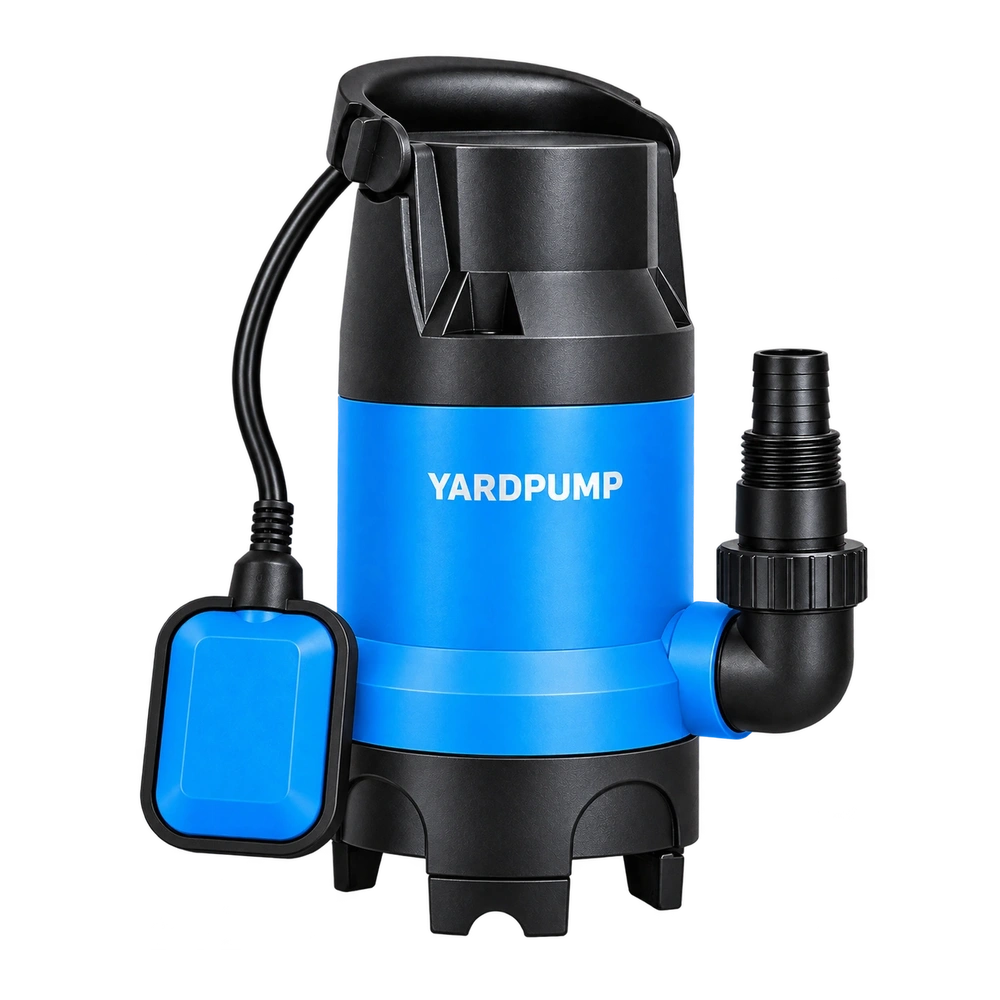
Small low-level clean-water pumps can suit some shallow drainage jobs. Use one on a pool cover only if both sets of instructions allow it and the cover supports the weight, hose load and intake arrangement. A lower stop level will not repair a tear that feeds water from the pool.
Frequently asked questions
Will lowering the pool stop the cover pump from drawing pool water?
It may change the shape and support of the cover. Keep the water within the range specified for that cover and arrange the appropriate repair.
Can I add water to look for a hidden hole?
Do not load the cover with extra water for a diagnostic test. Ask the cover service provider how to inspect this cover safely.
The cover is dry. Can the falling pool level still matter?
Yes. The pool, plumbing or overflow path could still be losing water. Give the technician a separate pool level record from the time the cover pump was paused.