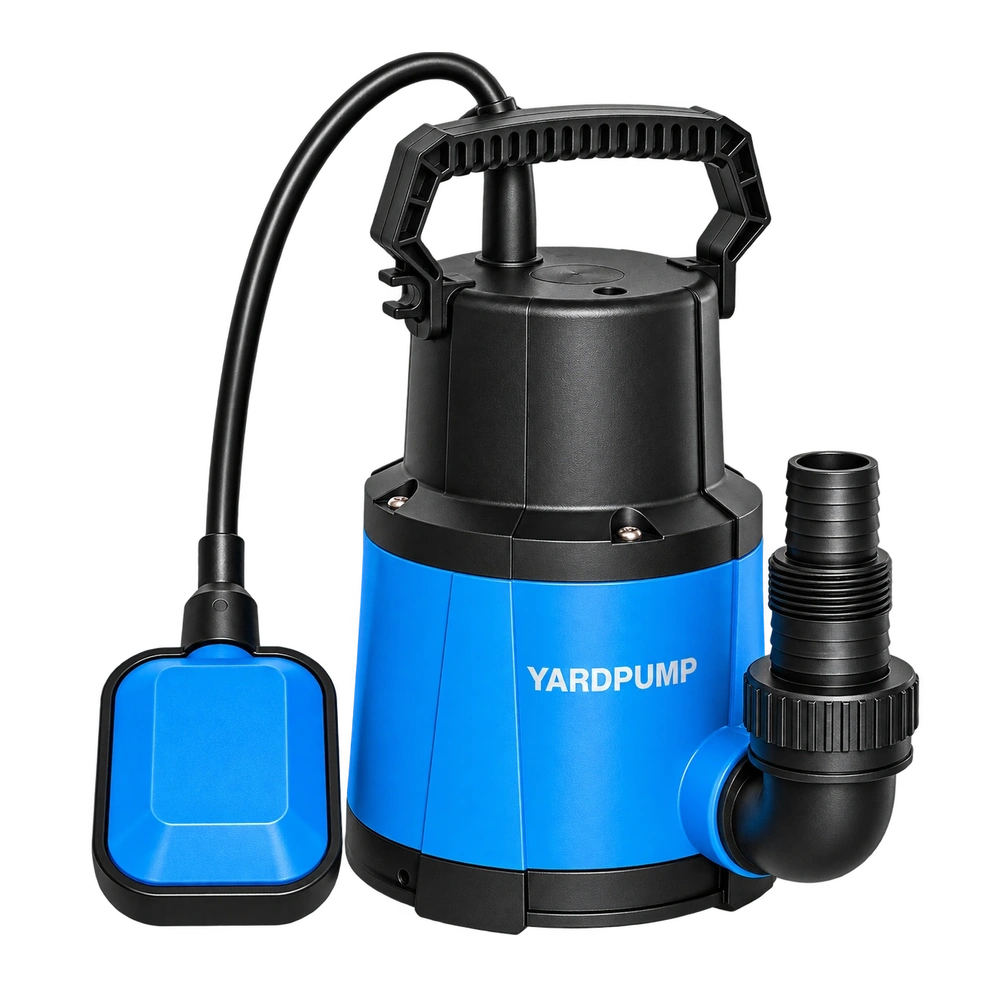
A temporary drainage pump draws less than the prominent current rating on a cable reel, yet the reel becomes increasingly hot. In this typical installation problem, that single rating does not settle the question. Wound and fully extended cable can have different cooling conditions and different permitted loads. Motor starting, voltage drop, connections and the working environment must also be suitable. A reel is part of the supply system, not just convenient cable storage.
Read both operating conditions
Some reels state separate current or power limits for wound and unwound use. The largest printed number may not apply while most of the cable remains wrapped around the drum. Check the actual voltage, extension requirements, load type, ambient conditions and manufacturer instructions. A distributor should not reproduce only the higher number in a pump accessory recommendation.
Current produces resistive heating in conductors. Several closely wound layers can make that heat harder to dissipate. The problem is not simply cable length, nor should every hot reel be explained as an induction-heating effect. At the same current, cable near the drum core can reach a different temperature from cable properly extended in air. A protection device that has not tripped is not proof of an acceptable continuous temperature.
Include starting and shared loads
A reel may supply lighting or another tool as well as the pump. Check all simultaneous loads and whether the accessory is suitable for motor service. Steady running current does not describe the complete starting requirement. Likewise, the pump's declared shaft power is not the electrical load available for subtraction from a reel's power rating. Compare compatible electrical quantities under the relevant conditions.
For an illustrative situation, imagine a reel marked with different wound and extended limits. The installer notices only the larger value. Even if steady pump operation falls below it, the applicable lower limit and the extension instructions still require checking. There is no universal safe pump wattage for a partly wound reel. Conductor size, length, drum design and environmental conditions change the result.
| Item | Question that must be answered |
|---|---|
| Reel marking | Which rating applies to its present condition? |
| Complete lead | Are conductor size, length and voltage drop suitable? |
| Connected equipment | Have motor starting and simultaneous loads been included? |
| Connections | Are moisture exposure and mechanical placement acceptable? |
Unwinding is necessary where specified, but not sufficient
Following extension instructions addresses an important thermal condition. It does not correct undersized conductors, excessive length, damaged plugs, loose connections or unsuitable protection. These can still cause starting problems, local heating or danger. Do not ignore voltage at the pump because the reel is unwound. Never put a hot reel into water as a cooling measure.
An outdoor accessory label or a pump's ingress-protection rating also does not establish that the complete supply assembly can be submerged. Connectors, sockets, reels and cables have separate conditions of use. Keep connections positioned as their instructions require and protected from pulling loads, immersion and vehicles. A competent person should confirm the appropriate electrical protection for the installation and destination requirements.
Respond to heating without creating another hazard
Stop using equipment that shows a burning smell, discoloration, abnormal heating, repeated interruption or damaged connections. Isolate the supply through the prescribed safe arrangement from a dry, safe position. Do not operate switches while standing in water, touch contacts to test their temperature or bypass the reel's thermal protection. Keep the affected equipment and observations for competent inspection.
For procurement, identify the exact reel model, applicable state ratings, environmental limits and unwinding instructions in the accessory schedule. Validate the intended supply arrangement during a representative pump trial. A permanent installation may need an appropriate fixed supply rather than a temporary reel. Correct cable deployment is one condition of a suitable system; it is not evidence that every other part of the circuit is satisfactory.
Questions about cable reels
Can a small pump be used without unwinding the reel?
Do not create an exception from pump size alone. Follow the specific reel instructions and the applicable condition rating.
Does thermal protection guarantee that damage cannot occur?
No. Protection does not replace correct selection and use, and repeated tripping is not an acceptable load-control method.
Will a thicker lead solve every supply problem?
No. Connections, length, starting conditions, protection and environmental suitability still need to be checked together.