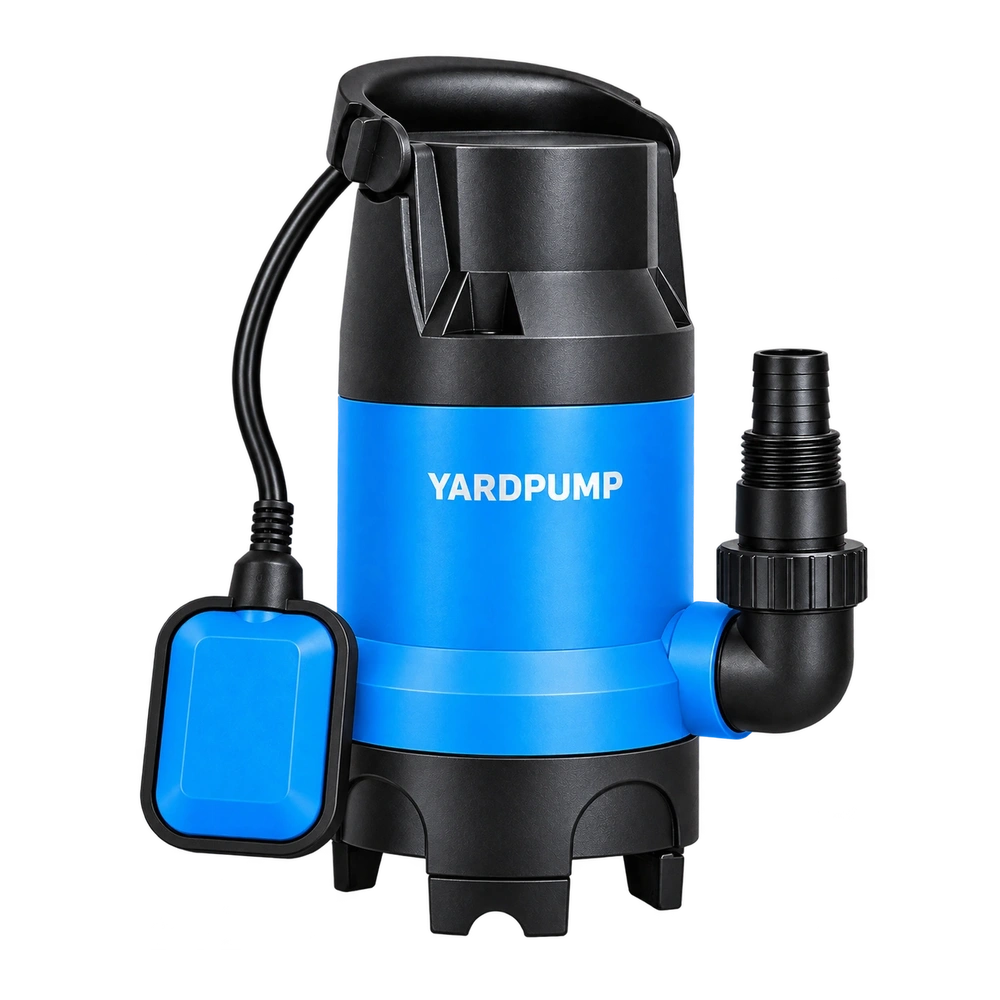
A portable submersible pump conveniently fills an agricultural sprayer with clean water. Can the same pump then enter the prepared mixture for circulation? That is a different intended use. Clean-water transfer, diluted spray mixture, concentrated product and cleaning solution require separate assessment. Sharing a tank does not make their compatibility requirements identical.
Identify what contacts the pump
A source-side filling pump may contact only the specified water. Placing it in the mixing tank exposes it to a particular formulation and concentration. Solvents, additives, chemistry and temperature can affect materials and safety. A clean-water curve or plastic housing cannot establish suitability.
The responsible personnel should review product labels, safety information and equipment instructions together. Where flammable ingredients or other special hazards are involved, an ingress-protection rating is not evidence of suitability for that environment.
Keep an unconfirmed pump within its established clean-water duty. An informal trial with an unidentified mixture is not a compatibility test.
The filling hose can create a contamination route
The pump need not be submerged in the mixture for a problem to exist. A discharge hose placed inside contaminated liquid can create a return path. Provide suitable separation and backflow control for the actual system and applicable local requirements.
One unverified check valve does not establish control of every backflow risk. Hose-end position, filling inlet construction and operating method matter as well. Any required air separation or alternative arrangement should follow competent design and the relevant requirements rather than a universal dimension invented for every tank.
| Use | Task to verify | Conclusion that does not transfer |
|---|---|---|
| Source-side clean-water filling | Duty, fill time and separation | Water pumping proves mixture suitability |
| Prepared-mixture circulation | Formulation, materials and intended use | Plastic resists every chemical |
| Concentrate transfer | Suitable dedicated equipment and safeguards | A diluted-liquid trial is sufficient |
| Cleaning-liquid handling | Cleaning method and compatibility | Repeated rinsing resolves every issue |
Select for actual filling performance
For a hypothetical example, filling a 600-litre tank in ten minutes requires an average 60 L/min before considering other demand. Elevation, pipework, fittings and the final filling arrangement must then be included in the operating-point assessment.
These numbers concern water transfer only. They do not establish chemical dosage, mixing order or application instructions. Follow the relevant label and competent agricultural requirements for those activities. A hydraulic calculation cannot replace them.
Also arrange supervision or appropriate control against overflow. Automatic pumping does not justify leaving an uncontrolled filling operation unattended.
Make equipment condition identifiable
Distinguish clean-water-only equipment, chemically exposed equipment, items awaiting cleaning and items withdrawn from service. Include hoses, adaptors and containers in that system. A pump that appears clean should not automatically return to a different sensitive use.
Cleaning does not independently restore an earlier hygiene or intended-use claim. If accidental exposure occurs, stop use and retain formulation, concentration, contact time and equipment identity for assessment by the responsible personnel.
Do not ask a user to re-energise equipment in an unknown liquid to see whether it still works. Isolate electrical power before maintenance and have qualified personnel perform electrical checks.
Define the quotation boundary
Tell the supplier whether the pump serves only clean-water filling or must actually contact a specified mixture. Provide enough information to verify that boundary. Confirm duty, materials, separation, cleaning and maintenance conditions together.
If the supplier confirms only clean-water use, a distributor should not expand that statement into a chemical-circulation claim. A larger motor does not change the chemical or safety assessment.
This article does not recommend a pesticide or mixing method. It does not establish agricultural-chemical suitability for every YARDPUMP model. Any delivered claim must follow the verified configuration and actual contact duty.
Frequently asked questions
Is a very dilute mixture automatically suitable for an ordinary pump?
No. Identify its ingredients and the equipment's supported intended use.
Is backflow impossible if the pump stays outside the mixture?
No. The filling hose and inlet can still create a contamination path.
Can a rinsed pump move into drinking-water service?
Do not assume so. Previous exposure and the required contact suitability need separate assessment.