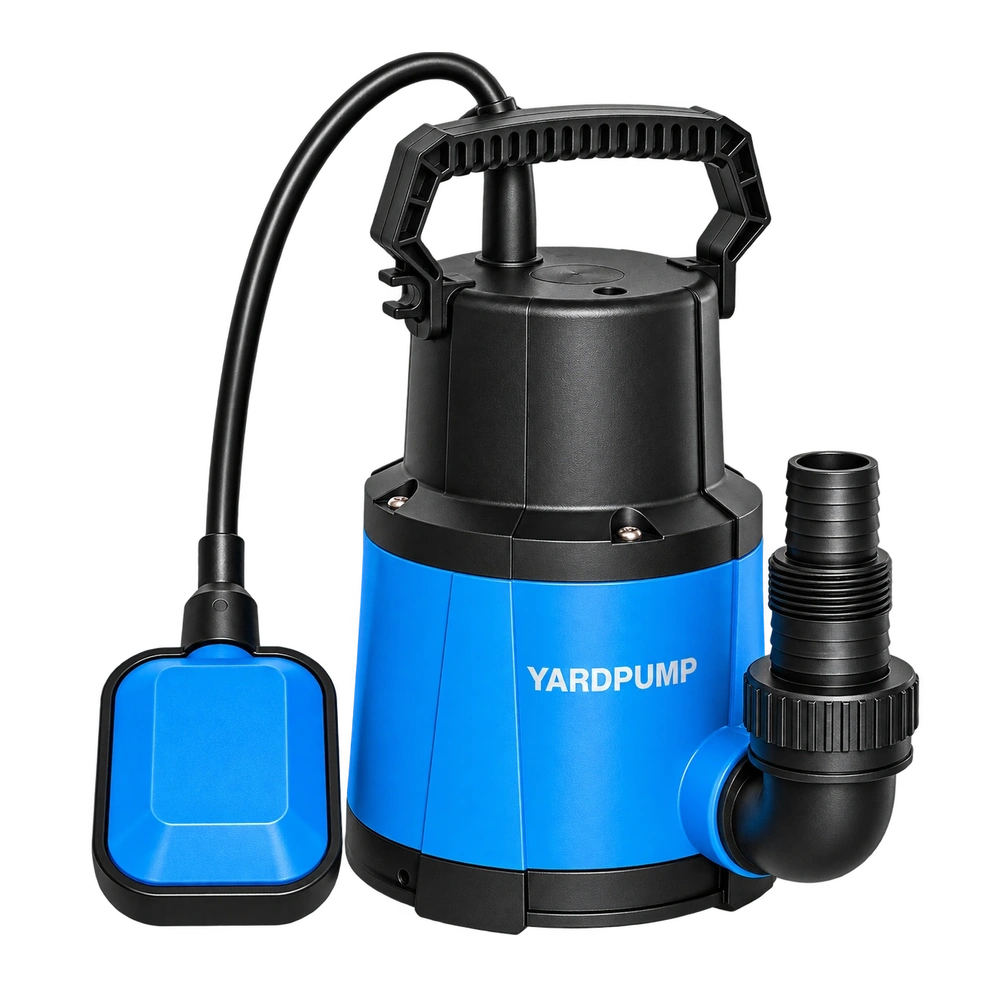
Imagine a garden rainwater pump scheduled to run drip irrigation for five minutes at a time. Plants near the supply receive water early, while the farthest emitters start just before the timer shuts the system off. If their discharge is similar once the line settles, start by checking how much of each cycle the distant plants actually receive. The timer begins when it requests a run. It does not wait for the last emitter to open. One setting can therefore produce very different delivery times across the same zone.
See what has to happen before the first drip
A branch that empties between cycles must refill, clear displaced air and build the pressure needed at its outlets. A branch that holds water may settle sooner. If a particular emitter or valve has an anti-drain feature, check its own opening and closing behaviour. Pressure compensation describes delivery over a specified range after conditions settle. It does not mean every emitter opens as soon as water reaches the tube or works at any available pressure. Branch length, elevation, filters and the number of lines opening together can change where pressure builds last.
Do not rely on the controller light or an upstream pressure reading alone. Sketch the tank level, pump outlet, filter, zone valves and emitters. Note low points that may drain, and high points where air might collect. A tube that appears level from a distance can have several small rises and dips after installation. Keep the pipe route and source level comparable when you repeat the test, or record the change so it does not get mistaken for a control fault.
Collect water through the whole cycle
Choose matching emitters near the supply, midway and at the far end. Use separate collection cups without changing the discharge elevation or restricting the outlets. Record the start command, time to first drip, an interval of stable discharge and any water delivered after shutdown. Combining several emitters in one container hides the outlier. Repeat after the usual pause between cycles, and, if permitted by the equipment, after a shorter pause. If the far end starts earlier on the second cycle but steady flows match, investigate drain-down and repressurisation. If the far end also delivers less once stable, look for a persistent pressure or obstruction problem.
Suppose the timer runs for five minutes. The near emitter begins after thirty seconds, the far emitter after two and a half minutes, and each then settles at two litres per hour. Ignoring the transition and any post-stop drip for this illustration, the near emitter has four and a half minutes and delivers about 0.15 litre. The far one has two and a half minutes and delivers about 0.083 litre. Their steady rates are equal, yet their totals differ substantially. Do not use those delays as design values. Collect the actual water over the complete cycle.
Change the setting only within approved operating limits
If drain-down accounts for most of the delay, check approved options for branch layout, retaining water or dividing the zone. Do not plug air devices to make a line stay full. If you can safely lengthen the useful irrigation period, check the total water applied, rainwater reserve, pump duty and allowed flow range. A revised controller must still start and stop the pump as permitted. Do not keep a pump running against a closed outlet or bypass level protection to maintain line pressure. If the far end cannot reach its required pressure, assess zoning, pipe size or a suitable supply before increasing the timer setting.
Accept the installation on the full-cycle delivery at the least favourable points and its repeatability. A steady flow rating is useful for comparing emitters, but it does not tell you how much of a short watering period each plant received.
Frequently asked questions
Does heavier dripping at the near end on startup mean the emitter is defective?
Not by itself. Compare first-drip time and stable flow separately to see whether it started earlier or delivers more throughout.
Will pressure-compensating emitters remove the startup difference?
Not necessarily. Check the emitter's working range and opening behaviour, and see whether the line empties between runs.
Why count water that drips after the pump stops?
It still reaches plants, sometimes unevenly at the lower points. Include it when comparing full-cycle water delivery.