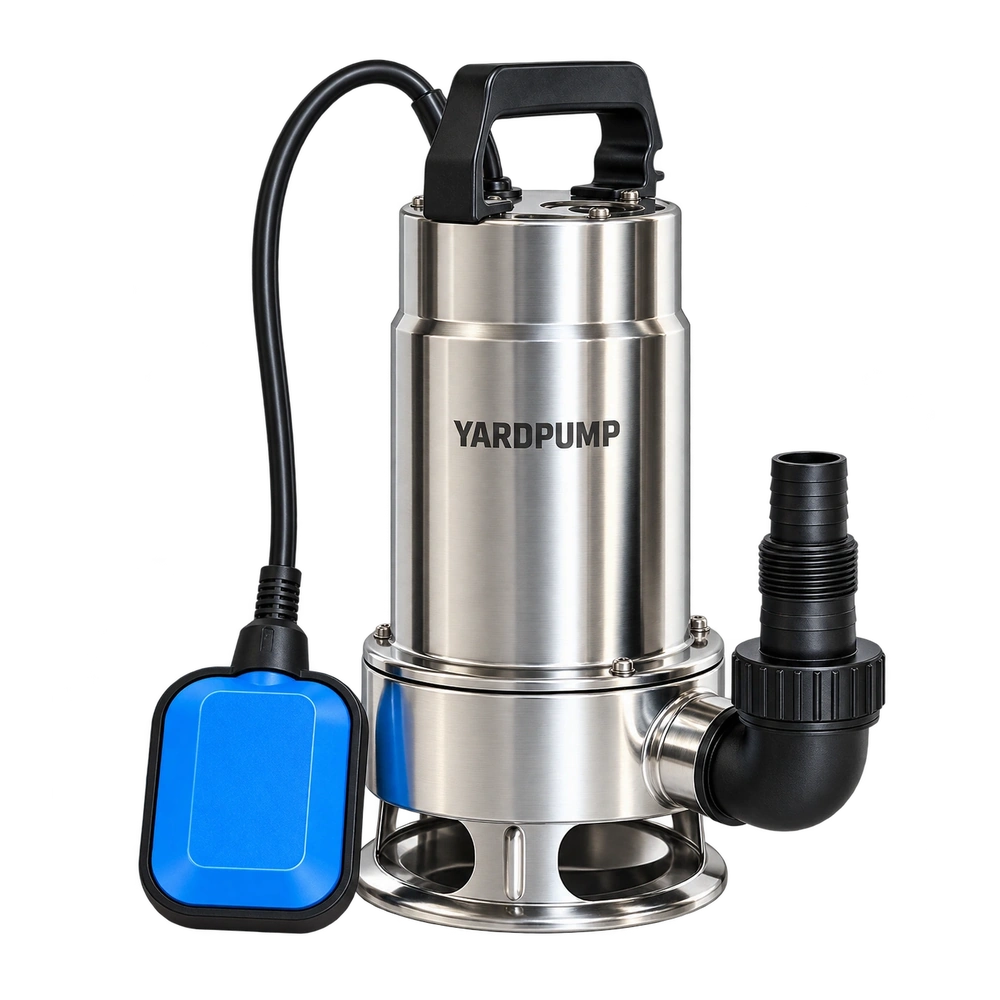
Suppose the drip lines on a rain tank water evenly until the filter flush valve opens. The far emitters stop, even though the pump keeps running. Before buying a bigger pump, compare three conditions: watering alone, the filter's approved cleaning cycle, and both together if the equipment permits it. If simultaneous operation starves the emitters or fails to provide the conditions needed to clean the filter, running the jobs at different times may be the practical answer.
Treat the flush outlet as another demand
A filter captures material, which may increase the pressure drop across it. Some models let a stream carry material out through a flush port. Others require a backwash sequence or element removal. Consult the specific instructions before expecting the filter to clean while the irrigation continues. Opening a flush path changes the system and diverts part of the delivered water. The pump may supply more total flow at its changed operating point and still deliver less to the irrigation branch. A pressure reading at the pump does not prove the filter sees enough cleaning pressure or that the far end is receiving its intended flow.
A flow from the waste outlet is also insufficient evidence of cleaning. A filter may require a defined pressure at a particular connection, a rate, a direction and enough time to remove material. Test those conditions separately from the amount arriving at a dripper. A restriction can still exist when the valve is closed, so include a normal irrigation check. Do not bypass filtration or exceed any component's allowed pressure to make a flush appear effective.
Compare the jobs at meaningful tank levels
Identify which zones are open, the level in the supply tank, the pressure points specified by the filter maker and the condition at the far outlet. Check the system in normal watering and during the approved cleaning procedure. Where simultaneous running is allowed, measure that arrangement as its own operating condition. Distinguish the short response when a valve opens from the readings during the cleaning interval. Document controller settings if an automatic sequence is used. Work on fittings only after isolating the pump from a dry location and relieving pressure as directed.
For illustration, a zone might require eighteen litres per minute and the filter might require ten on its flushing path at its specified conditions. Running both needs at least twenty-eight litres per minute to reach the two outlets, but that sum says nothing about the separate pressure requirements. If the combined test delivers just twelve litres per minute to irrigation and the filter also falls short of its cleaning conditions, neither task is well served. If both work on their own, verify a separate schedule before enlarging the pump. These are hypothetical flows; the actual requirements come from the exact irrigation and filter equipment.
Compare the lowest ordinary tank level as well as the most favorable level. The reduction in supply head or a change in intake conditions can matter when a system operates near its limit. Include where the flush water goes; sending dirty water right back to the intake can undermine the result.
Decide what to change from the separate tests
If cleaning alone falls short, check the filter and its valve configuration, waste line and available head before choosing capacity. If irrigation alone falls short, examine distribution, elevation and the branch demand. Consider zoning or a pump selected for that duty where appropriate. Some self-cleaning filters are designed to keep serving a downstream network during cleaning. That capability depends on the selected filter and the pressure and flow available from the system. For a purchase, write down the watering requirement, the cleaning requirement and whether they must ever overlap. The target is effective cleaning as well as usable water at the end of the line.
Frequently asked questions
If flow returns as soon as I close the flush valve, is the pump defective?
That observation alone does not establish a defect. Check the flow paths and pressure when the flush circuit is open.
Does flushing during irrigation save water?
Not necessarily. Cleaning water depends on the design and procedure; prolonging a weak flush can waste water.
Is one pressure gauge before the filter enough to judge the cleaning result?
Use the measurement points, cleaning sequence and post-cleaning check specified for that filter.