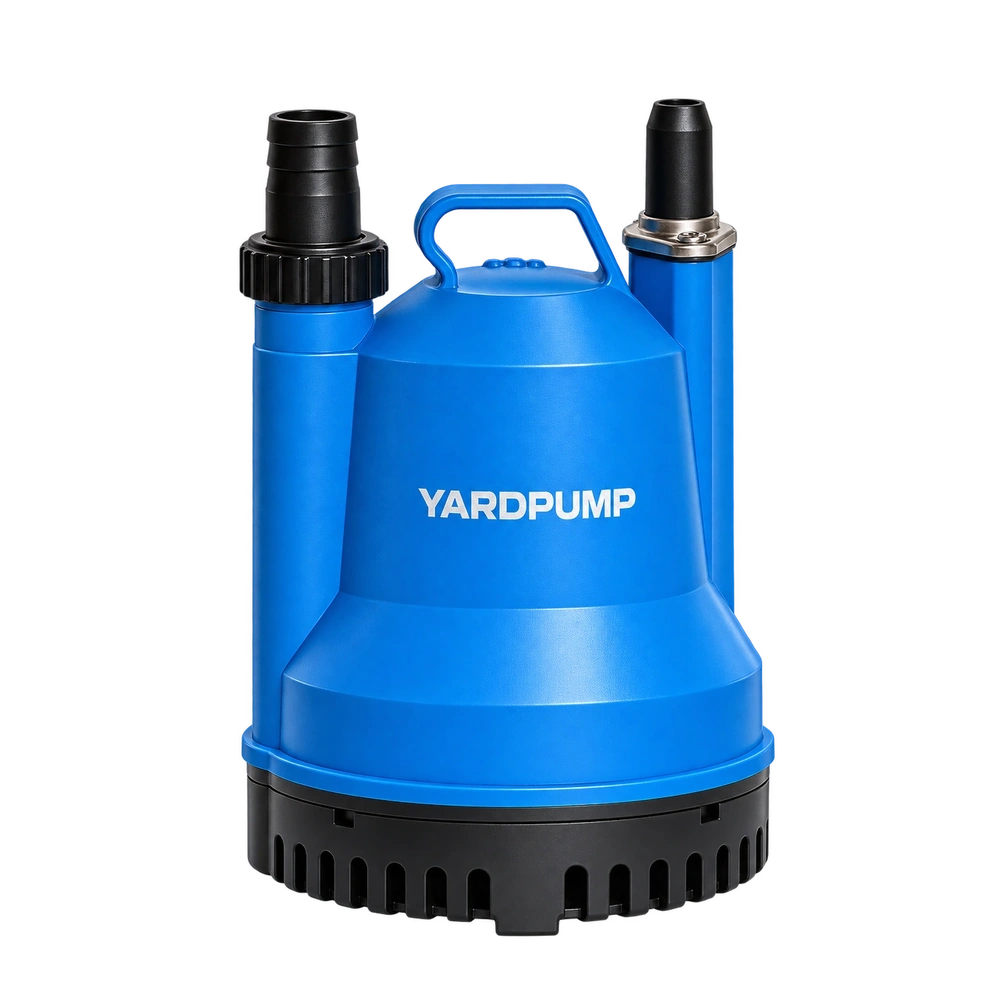
Consider an illustrative garden watering zone. Two sprinklers on a rain tank pump reach the edge of the lawn, yet the same brown patch keeps appearing. Start with catch cans before increasing the time for the entire zone or buying a larger pump. Throw tells you how far some water travels. The distribution tells you how much actually lands in each area and whether neighbouring sprinklers fill one another's weak spots. Use the distribution to identify the symptom and pressure measurements to investigate the cause.
Keep the average from hiding the driest patch
Set out collectors with identical openings on a regular grid. Number points near heads, between heads and in the dry corner. Keep the cans upright and clear of obstructions. Run the usual zone and catch water in every cup during the same interval. Record wind, tank level and any interrupted run. If gusts were strong, somebody changed a valve or the pump stopped because the level fell, label the run accordingly and repeat under comparable conditions. Measure the water depth in each cup and mark it on a simple sketch. Do not directly compare depths in cups with different opening or wall shapes.
As an illustration, suppose eight identical cups collect 2, 3, 4, 5, 6, 6, 7 and 7 millimetres. The mean is 5 mm but the two driest cups average 2.5 mm. Doubling the whole watering time to fix the driest corner would put considerably more water on the wet parts, potentially causing runoff. The ratio of the lowest quarter average to the overall average is 50 percent in this example. It shows a way of comparing two runs on the same zone. It is not a blanket acceptance threshold for sprinklers or lawns.
Let the shape of the dry area guide the next check
If several cups near one sprinkler are low, check its nozzle, arc, contamination and pressure at the head in operation. If the cups next to each head are fine but the space between heads stays dry, examine placement and overlap. More flow may not cure a gap in coverage. If the pattern moves when wind direction changes, try another run in similar calm weather before changing hardware. If the whole zone gets weaker as the tank level falls, check the working head, pump inlet and discharge plumbing. A single low cup is not a diagnosis of inadequate pump flow.
Record how long the pump actually delivered water and any changes in spray. If pressure needs to be measured, have an appropriate installer use a suitable test connection. Shut down, isolate and relieve pressure as instructed before changing fittings. Keep cups away from paths and do not measure around unsafe wet electrical equipment. Change one thing and repeat at the same locations, comparable tank level and the same valve sequence. Look for the dry patch to improve without creating a new wet one elsewhere.
Use the test to decide whether to resize the supply
If verified pressure at the heads is adequate and coverage remains poor, revisit placement, nozzles or zoning first. If the corrected layout cannot get the required flow and residual pressure at normal tank levels, estimate branch demand, elevation and pipe losses and use the pump curve to select the duty. Use rainwater and the pump only in applications appropriate for their water quality and operating limits. A catch can test describes where irrigation water landed in that run. It cannot identify soil storage, nutrition or disease. Map the driest and wettest parts together before extending watering time.
Frequently asked questions
Should the cups go only where the grass is brown?
No. Sample both the dry and normally watered areas, including the wetter ones. That helps distinguish coverage from a general shortage.
Can I compare runs of different duration?
Depth can be converted to a rate if the layout, weather and operating conditions are comparable.
Does a dry row mean I need a larger pump?
Not necessarily. Identify the position, overlap and pressure at the heads first. Resize the supply only if the verified duty cannot be met.