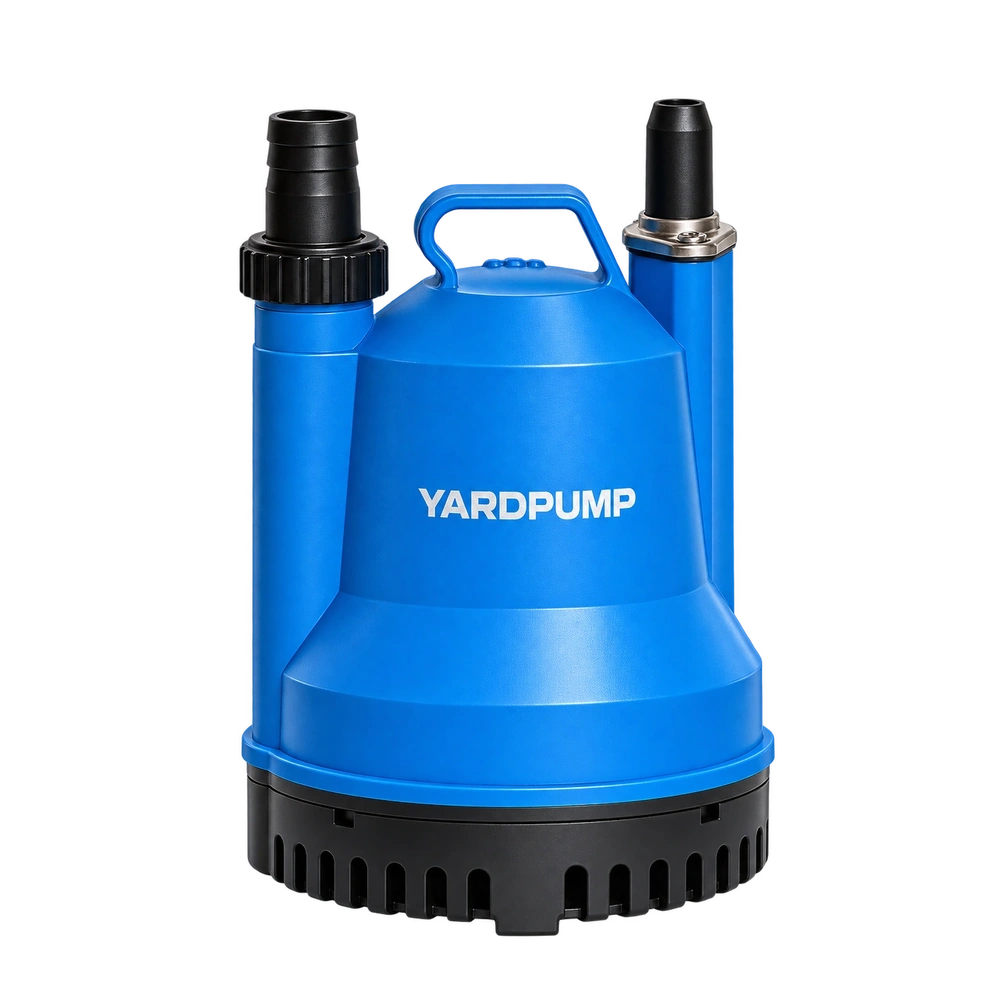
Suppose a utility pump clears water from a low garage floor through a hose laid over a concrete step. It drains normally at first. After several uses and a few trips back into storage, water starts appearing beside the step. If a replacement hose develops a leak at the same crossing, change what happens at that crossing. Establish where water first escapes before buying another hose or adding protection to the spot where it drips.
Look for contact under load
A flat discharge hose can lie neatly on a rounded corner when empty. Once it fills, it changes shape and gains weight. A short span can settle sideways onto a rough patch the empty hose barely touches. Pump cycles, movement of the hose and dragging it during collection can all cause relative motion at that patch. Physical evidence may include a local scuff, worn surface texture or a groove on the side that faced the edge. The mark is a clue to the mechanism, not proof that the material or pressure rating was correct.
A tight turn can also squeeze the passage and leave a crease. If delivery weakens while the hose folds, check the bend even if its outer cover looks sound. Conversely, a dribble from an upstream clamp can track along the outside and drop where the hose bends over the step. A wet area around the crossing does not identify the opening that leaked. A long cut from pulling the hose around a sharp corner suggests a different intervention from rubbing in one place during operation.
Inspect the location, then change the route
Stop and isolate power from a safe, dry position and relieve any retained pressure according to the equipment instructions before moving or examining the hose. Photograph the hose and the edge together. Mark its original orientation so you can compare the damaged surface with the place it touched. Trace any wet track back towards the pump, then check fittings, tight bends and the underside at the crossing. Take a hose with a deep cut, bulge or exposed reinforcement out of service. A wrap over the damage does not restore a pressure-bearing hose.
When a suitable discharge route exists, route the hose clear of the edge and give it a smooth bend without pulling it taut. If the crossing is necessary, use a smooth support or abrasion protection suited to the hose. Cover the span that might move once filled, rather than placing a small pad under the empty hose’s contact mark. A wire tie or narrow metal strip can pinch the hose and create a new wear point. Support the line without hanging its weight from the pump outlet, clamp or power lead. Address foot or vehicle traffic separately: sleeve material that resists rubbing is not a load-rated crossing.
Check the result while the line is full
Consider an illustrative layout. The empty hose rests on a rounded nosing, but the filled line slides down against rough mortar next to it. A patch on the rounded nose leaves the real contact untouched. Supporting the curve on both sides can keep the filled hose clear of the mortar without forcing a sharp turn. A new route may also be higher or longer, so a fix for wear can still slow drainage. Check the delivered water independently.
With water within the pump’s permitted operating range, watch a normal start, steady discharge and stop from a safe dry position. Keep hands clear while the equipment is operating. For clean water that can be safely collected, compare the time to fill the same container with similar starting water levels and outlet elevations. Then isolate the equipment, release retained pressure and see whether the hose stayed on the support, was pinched or put visible strain on a connector. For equipment moved between jobs, change the recovery routine as well: drain and roll the line, and lift it over the hard edge instead of dragging it across.
This approach fits portable submersible pumps that permit hose discharge. Recurring vehicle loads, permanent supports and unattended drainage need pipework and installation suited to those conditions. A successfully protected hose does not verify the rest of the drainage system.
Frequently asked questions
Will a thicker discharge hose solve the problem?
It can still wear through at a fixed rubbing point. Remove the contact first. If replacing the line, check its bore, bend limits and the load the new hose puts on its connection.
Should I inspect the edge if the visible drip is away from it?
Yes. Check for movement when the line fills and for water running along the hose from a joint. An orientation mark helps match the contact face after the hose has been made safe.
Do I still need to inspect a hose under a protective sleeve?
Yes. The sleeve can move or wear through and can hide existing damage. With the line isolated and depressurized, examine both ends and the protected section as the setup permits.