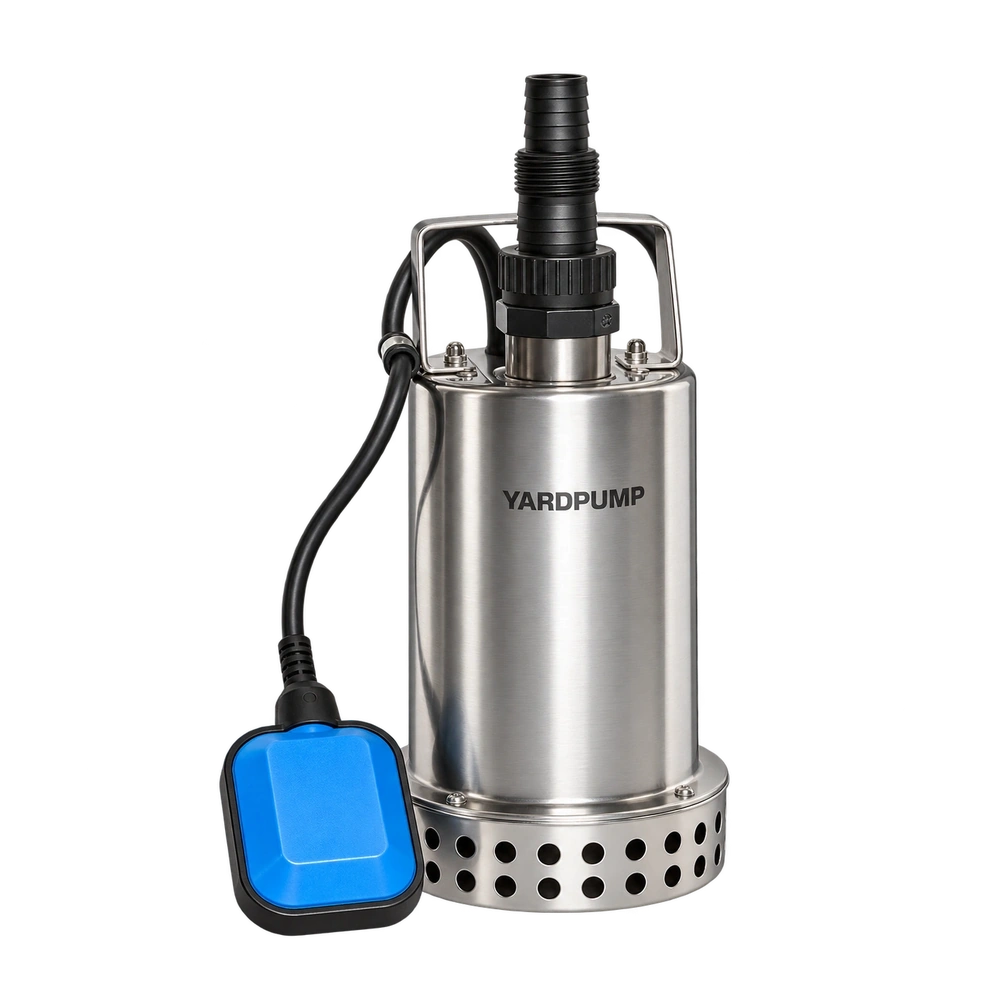
A familiar pump problem often starts with a simple observation: A homeowner wants to connect a battery to the existing mains-powered sump pump for storms. The pump expects AC voltage and a high starting surge; a battery supplies DC.
The useful answer is not to choose a larger rating or accept a supplier's single measurement. Use a designed backup architecture: a compatible inverter system for the AC pump or a separate approved DC backup pump, with charger, controls, alarm and runtime sized together. This keeps the decision tied to the actual liquid, installation, component revision and operating point.
The decision first
Use a designed backup architecture: a compatible inverter system for the AC pump or a separate approved DC backup pump, with charger, controls, alarm and runtime sized together.
The first step is to freeze what is being compared. Record the pump model or component revision, liquid condition, supply, speed, installation and test method. If two samples are tested under different water levels, temperatures, hose layouts or electrical conditions, the result cannot isolate the feature named in this article.
For a service complaint, preserve photographs, labels, marks, deposits and measured values before cleaning or dismantling. For a purchase change, connect the drawing, BOM, supplier lot, sample and production cut-in. That evidence prevents a plausible explanation from becoming an unsupported conclusion.
Why the symptom can be misleading
An inverter must handle starting current, waveform compatibility and motor heating, not only running watts. Battery capacity falls with discharge rate, age and temperature. A separate DC pump avoids inversion but needs its own hydraulic path, float and check arrangement. Shared discharge piping can create backflow or interference if not designed correctly.
The observed symptom is therefore a system response. A dimension can influence hydraulics, mechanics and heat at the same time; a control component can change both operation and the evidence seen by a technician. The correct question is not whether one feature is “good” or “bad,” but what changes at the agreed duty and which limit becomes controlling.
A practical check plan
| Check | What to verify | 中文现场提示 |
|---|---|---|
| Power type | Confirm AC voltage, frequency, waveform and DC alternatives | 确认交流电压、频率、波形及直流替代方案 |
| Starting demand | Verify surge capability with the real pump | 用实际水泵核实启动冲击能力 |
| Runtime | Calculate usable battery energy at expected discharge and temperature | 按预期放电倍率与温度计算可用电量 |
| Hydraulics | Check floats, check valves and shared discharge behaviour | 核对浮球、止回阀和共用排水管表现 |
Carry out the checks in a sequence that protects evidence. Begin with identity and external conditions, continue with non-destructive measurements, and dismantle only when the earlier results justify it. Use calibrated or otherwise controlled instruments appropriate to the decision. Record raw values as well as the final pass/fail judgment.
When several factors may be involved, change one controlled factor at a time. Keep an approved reference unit where possible. A matched comparison usually explains more than a single result against a broad catalogue tolerance.
Worked example
Example only: estimate inflow during an outage, required pumping cycles and desired hours of coverage. Then use verified system input per cycle and battery usable energy, including conversion losses and reserve; do not divide battery watt-hours by nameplate running watts alone.
Write the example assumptions into the report. Show the starting condition, what was changed, and the measured response. If the result depends on an assumed dimension, water level, voltage or material condition, label it as an example rather than presenting it as a YARDPUMP model specification.
How to turn the result into a decision
For selection, confirm that the installed duty remains inside the pump and accessory limits, then document the setup the user must reproduce. For procurement, turn every critical finding into a drawing note, inspection characteristic, approved sample or change-control requirement. For after-sales work, distinguish a confirmed cause from a symptom and an untested possibility.
Acceptance should cover the complete assembly where the interaction occurs. A loose component may pass a dimensional check and still behave differently after clamping, immersion, heating or loading. Conversely, a failed assembly test does not automatically identify which component is defective; it tells the team where a controlled comparison is needed.
Boundaries and safety
Battery and mains wiring require appropriate protection and qualified installation. Never improvise exposed connections in a wet basement or bypass float and thermal protection.
Industry mechanisms in this article are not specifications for every YARDPUMP model. Use the latest approved drawing, datasheet, manual and compliance file for the exact model and revision. Stop any test that creates unsafe heat, leakage, unstable support or electrical exposure.
Frequently asked questions
What matters besides inverter continuous wattage?
Verify starting surge, surge duration, waveform, supply limits and compatibility.
Can battery nameplate watt-hours give runtime directly?
Allow for usable discharge, conversion losses and the installed pump duty cycle.
Should the outage test include alarms?
Yes. Use the approved simulation to check takeover, alarms and restored charging.