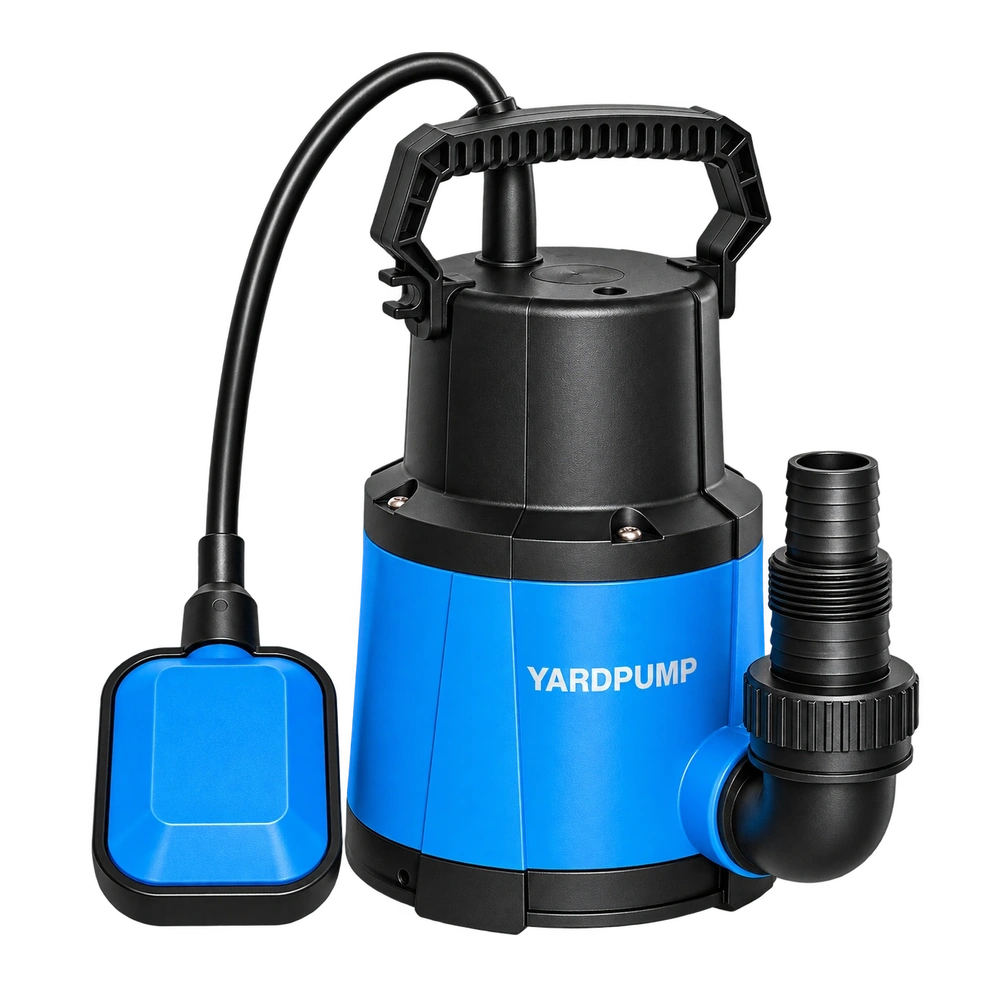
A replacement sump pump delivers a strong stream once it starts, and the basin empties normally. The operator notices that the water already covers the bottom of the incoming pipe before the switch calls for pumping. That observation matters even when the pump itself has plenty of capacity. If the incoming line relies on free gravity discharge into the basin, check whether the maximum water level before pumping backs water into that line. On a replacement, switch geometry belongs on the same drawing as hydraulic capacity.
Mark the inlet invert rather than the centre of the opening
Use one elevation reference for the inlet invert, pump-off level, pump-on level and maximum acceptable basin level. Add the alarm and backup pump settings where applicable. The invert is the lowest point inside the pipe. It is not the pipe centre or the centre of the opening in a basin wall. If several branches enter the pit, identify which drains they serve and which can be affected first, rather than using the highest pipe as the reference.
Submerging a gravity outlet does not always stop it flowing immediately. Slope, upstream head, inflow and the layout still matter. But the downstream condition has changed; water may build up at an upstream floor drain or channel sooner than expected. Where the original design permits a submerged inlet, use the actual allowable level from the system designer. There is no universal installation elevation here.
Check the maximum water level in the real installation
The position drawn for the switch is not always where the installed pump starts. A raised base, tether length, clamp location and proximity to the wall or discharge line affect float action. Even a freely moving float does not establish discharge at the instant the contact changes. A rapid inflow can push the water higher before the pump establishes delivery. In an approved test, record the highest level reached and the time when flow is established, as well as the moment when the motor starts.
Suppose, for illustration, that the horizontal basin area over the relevant range is 0.25 square metres. The inlet invert is 34 cm above the bottom, and the old pump started at 28 cm. The static difference is 6 cm, about 15 litres of geometric storage before that inlet is reached. A replacement that starts at 36 cm is already 2 cm above the invert. Even if it pumps faster once started, that difference comes before its higher capacity can help. The 15 litres do not establish a safe reserve. Actual inflow, starting delay and the space displaced by equipment change what is available.
Carry the lower water limit into the same decision
Moving a clamp as low as possible may create a new problem. A low stop level can conflict with cooling or minimum submergence, or let the pump draw air. A small difference between on and off levels may lead to more starts. Establish the upper water limit first. Then look for a pump and approved control that meet the stop condition, switching range and required delivery at the same time. When the incoming pipe is too low to leave that space, have the installation reassessed. Tying a float out of the way or improvising wiring is not a replacement strategy.
For handover, have the installer run an attended water test under approved conditions. Record the rise, switch action, established discharge, stop and any return from the line. Where alarms or standby pumps are present, verify them by the approved procedure. Isolate power and have qualified personnel handle any work involving a switch, pump or discharge connection. Keep a dated sketch or photo with the reference and observed levels. It gives the next buyer a usable starting point, unlike a photograph of the old pump alone.
On some pumps the switching range is set internally and is not a site adjustment. If that range does not fit the existing basin, compare a compatible replacement or an approved separate control.
Frequently asked questions
Does a covered inlet always cause backflow?
No. The flow and upstream arrangement matter. A submerged opening is a condition to assess, not proof of reverse flow.
Is free float movement enough?
No. A freely moving switch can still start too late. Observe its actual action and the maximum level in the installed system.
Should the alarm always be below the pump-on point?
Use the approved design for normal pumping, backup operation and high-water warning. Its position should be assessed against the incoming drain's allowable level.