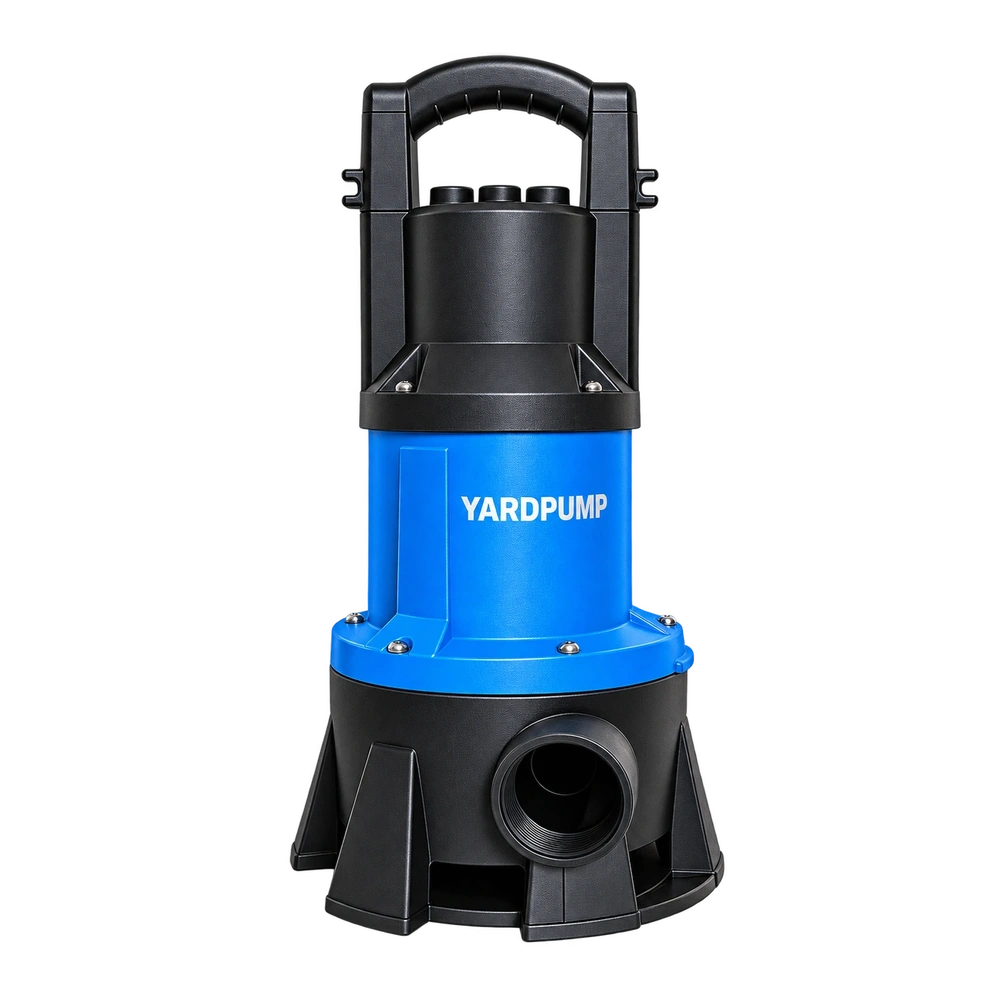
The rainwater pump once watered the garden normally, but delivery has declined as green material appeared inside its clear hose. Check the hose and filters before replacing the pump. Growth can increase resistance or detach and collect at a fitting or nozzle. Colour is an inspection signal, not proof that algae accounts for the entire loss of flow.
How a green coating can affect the water path
Light, nutrients, warmth and stagnant water allow algae and biofilm to attach to the wall. A thin layer increases roughness; thicker growth narrows the effective bore or sheds at fittings. Long small-bore hose is sensitive to both changes, so the pump can run normally while terminal flow declines.
Algae need light, while a hose coating may also contain sediment and other biofilm. Sun exposure and retained rainwater justify inspection, but shading does not remove an existing obstruction. Nor can green colour establish whether the water is suitable for contact, irrigation or another use. Water-quality suitability remains a separate decision based on the source and intended application.
Inspect narrow accessories and the full hose
Record water source, hose bore and length, exposed sections and when green growth first appeared. After isolation, compare with a known-clean short hose of the same bore and inspect old fittings. Clean or replace only by the hose maker’s approved method; do not dose an entire rainwater system, especially around irrigation, ponds or animals.
Start with removable terminal accessories where the design allows. Narrow passages in nozzles and quick connectors can collect material shed from a much larger hose surface. Stop, isolate and depressurize before each disassembly. If cleaning the outlet accessory does not restore delivery, inspect the hose for deposits, bends and local narrowing. Do not force compressed air through an arrangement without approved pressure and material limits, or wash removed material back into the collection barrel.
A flow comparison needs the same hose length, bore, fittings, outlet elevation and barrel level. Greater delivery through a short clean hose only identifies the original path as worth investigating: shortening the line itself reduces resistance. To assess cleaning, compare the same hose before and after treatment, or use a clean line with equivalent dimensions and routing. Timing a fixed collected volume is enough for this first check; improvised pressure holes are unnecessary.
Compare collection times under equivalent conditions
Example: at the same source level the old hose fills a 20 L container in 80 seconds and a clean comparison hose in 50 seconds. The difference justifies path inspection, but cannot be assigned entirely to algae unless length, fittings and water level are controlled.
Choose cleaning or replacement according to what can be removed by a permitted method and whether the wall has hardened, cracked or otherwise deteriorated. Recovered flow does not prove structural condition, and a residual green stain does not necessarily create a significant restriction. An opaque hose suitable for the operating pressure, temperature and water use can reduce light exposure. Preserve cleanable connections and the required bend radius rather than tightly binding the hose merely to hide it from sunlight.
Choose cleaning, shading or hose replacement
Manage barrel inlet screening, bottom deposits and hose storage together. Drain and store the line as permitted after use to reduce long periods of retained water. Where the installation must remain filled, establish a check interval suited to the site. For a compact rainwater-transfer pump, hose opacity, cleanability and accessory passage belong in the package specification. Increasing the pump's maximum-flow figure alone does not address growth inside the discharge path.
Frequently asked questions
Does green colour prove algae?
No. Staining, mineral deposits or other biofilm can look similar.
Will opaque hose never clog?
No. It reduces light but sediment and biofilm can still enter.
May I flush with bleach?
Use only methods compatible with the hose, water use and local requirements; avoid harmful residues.