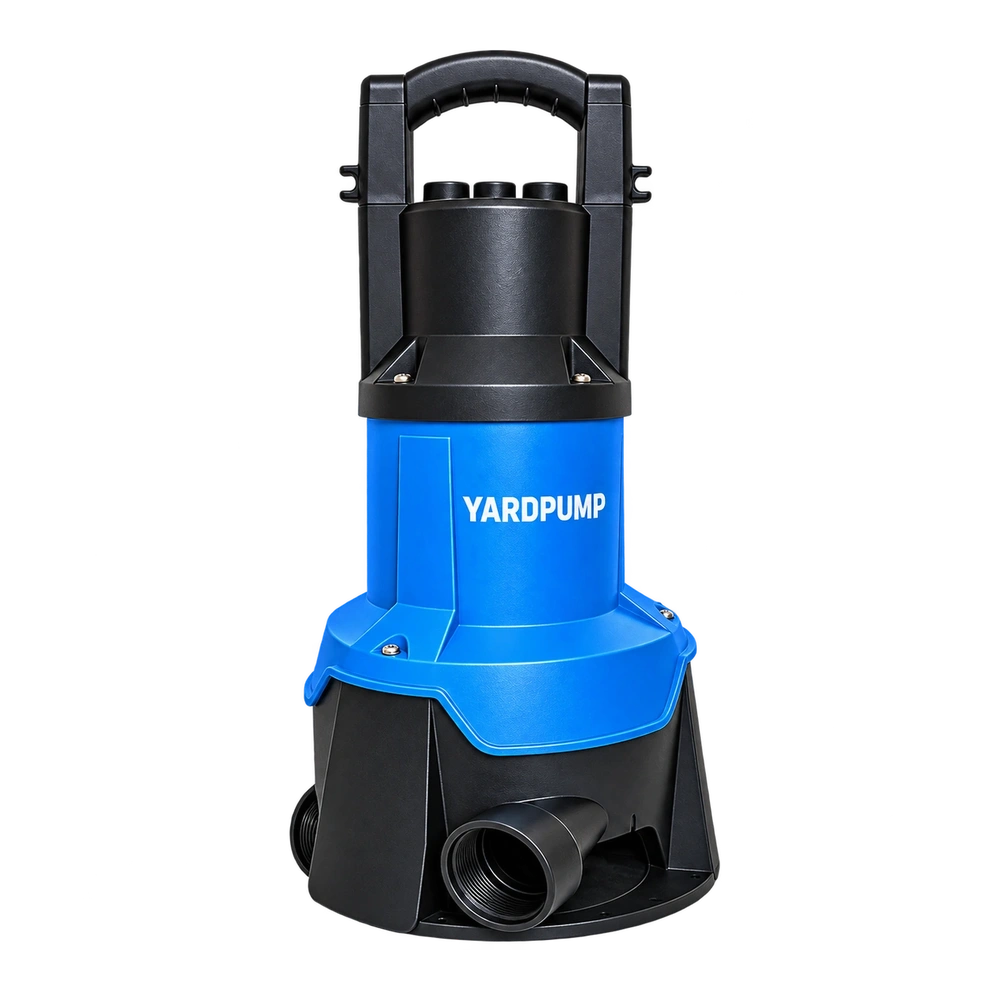
After a vehicle wash bay has been idle, the top of its collection sump can look surprisingly clear. That appearance is a poor basis for dropping in a general-purpose utility pump. Decide which layer you will withdraw, what contaminants the pump will actually contact, and where the liquid is permitted to go. Settling can remove some heavy solids. It does not remove all detergents, dispersed oil or dissolved material, and it does not turn the transfer into an approved discharge.
Sample where the pump will take water
A settled chamber may have abrasive material on the bottom, a floating oil layer and a middle layer that looks clear while still containing chemicals. Observe the prospective intake depth after a wash, after settling and when the bay is active. An oil sheen does not quantify emulsified oil. Foam alone does not describe material compatibility. If the liquid is unknown or could contain a flammable contaminant, involve the site's treatment and safety staff before choosing equipment.
An intake placed on the floor can resuspend the very grit the sump was intended to settle. An intake placed near the top can draw surface contamination or form a vortex as the level falls. If the intermediate layer is approved for transfer, consider a stable mounting arrangement and a stop level that protects the inlet. Give bottom sludge its own removal plan. A transfer pump chosen for the middle layer should not become an improvised sludge pump at the end of every shift.
Put four useful measurements on the specification
Record the size, shape and amount of solids likely to reach the inlet, including fibres. A solids-passage number does not establish abrasion resistance or immunity to wrapping. List cleaners, concentrations, temperatures and contact times, and check the actual wetted materials. Calculate lift and resistance from the lowest working water level to the destination with the real hose. Finally, identify who is responsible for the permitted destination and any required treatment. The pump moves water; it does not establish that the water is acceptable to discharge.
For an illustration, a chamber holds 800 litres, but the approved pickup band contains only 300 litres. At a measured delivery of 50 litres per minute, the usable band would be exhausted in about six minutes with no inflow. Dividing the full tank capacity by the measured rate would suggest sixteen minutes, which is not a safe run allowance. In an active bay, a new incoming stream can stir sediment and change the withdrawal conditions. A separate settling compartment or slower withdrawal may yield a more stable supply.
Run a short comparison before approving continuous use
During an approved supervised trial, log flow, liquid level and appearance at the pickup and delivery. Compare a quiet settling period with ordinary inflow. If flow falls as the pickup layer clouds or the screen accumulates sludge, address the inlet and pretreatment before buying a more powerful pump. Note whether the screen can be inspected and cleaned with power isolated, without opening a hazardous chamber or reaching into operating equipment. A useful acceptance note names the approved layer and cleaning method, not just a pump model.
Take the sample at the planned intake height, not merely where the top looks clear. Compare a settled period with a representative busy period if sampling can be done safely. That distinction matters: inflow may disturb deposits that stayed below the pump during a quiet inspection.
Frequently asked questions
Can clear-looking wash water be treated as clean water?
Not from appearance alone. Check the chemical, temperature and solids conditions, the pump's permitted use and the receiving destination.
Does a finer screen always protect the pump better?
No. A fine screen adds restriction and can clog quickly with oily sediment. Reduce solids before the inlet and select a maintainable screen compatible with the equipment.
Can one pump transfer the middle layer and then remove sludge?
Only if it is explicitly suitable for both liquids and the maintenance process is safe. Assess the two duties separately; solids, abrasion and blockage risks are different.