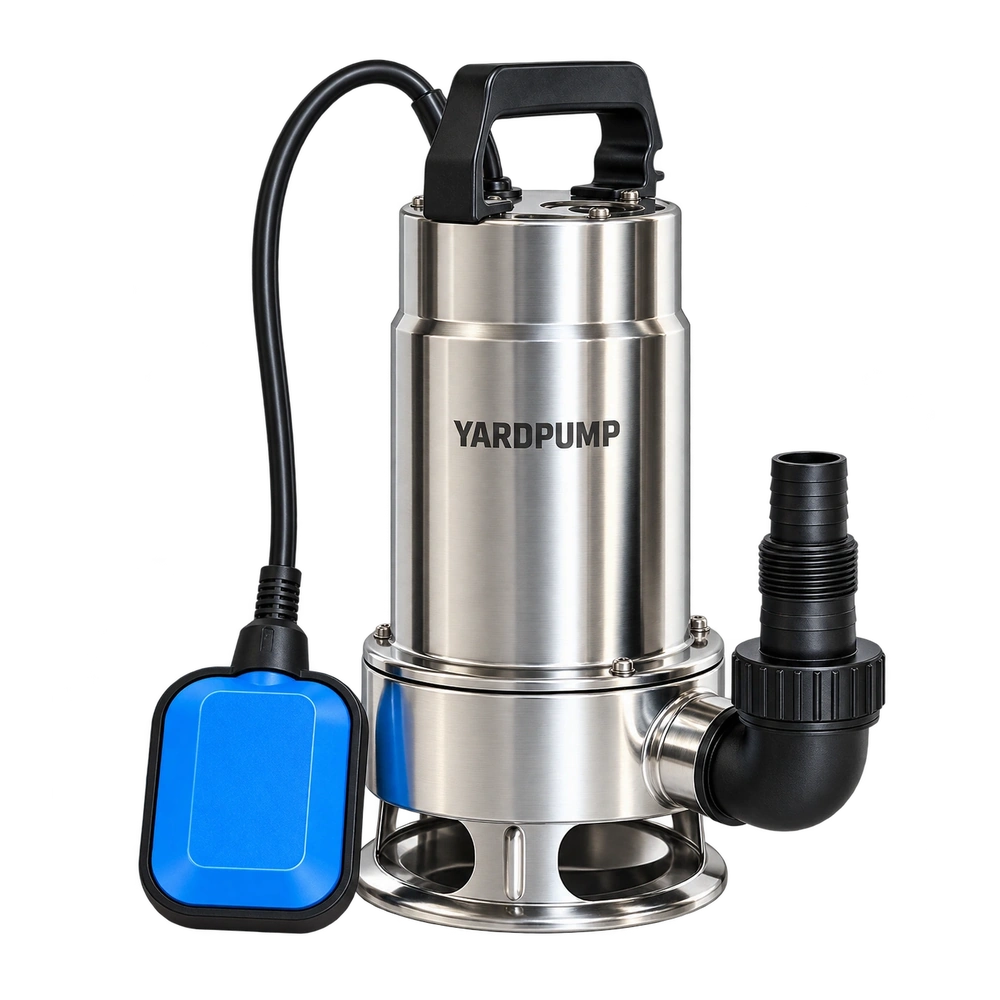
A narrower vertical float can give a crowded sump more room. It can also change the start and stop levels enough to alter the pump’s cycle. Compare the room for movement and the water volume between switching points before approving a replacement.
Plot the two float paths
A tethered float swings through an arc and can create a relatively broad level differential when space permits. A vertical float travels on a constrained guide, often using less horizontal room, but guide fouling, mounting angle and limited travel become important.
Draw the tethered float swing from its anchor point, with the cover, inlet stream, discharge pipe and any standby pump in place. The whole moving arc has to fit. For a vertical float, draw the travel along the rod and check the clearance at both ends. Look for a cable loop that could fall into the travel area and for deposits that could slow the sliding part.
A switch that moves when lifted by hand can still behave differently under real inflow. Water entering straight at the float can alter its position. Lids and supporting brackets can compress clearance in the last few centimetres. A retrofit should be assessed with the pit in its finished arrangement.
| Float style | Clearance to verify | What to record |
|---|---|---|
| Tethered | Arc clear of wall, inlet jet, lid and cables | Anchor, allowed tether length, wet start and stop levels |
| Vertical | Guide and both end positions clear in the finished pit | Bracket, guide condition, wet start and stop levels |
Convert the water-level difference to litres
For example, in a small pit, reducing level differential from 180 mm to 70 mm can substantially reduce stored volume per cycle. Actual cycle change depends on pit shape and inflow, so calculate from real dimensions.
For example, an unobstructed pit with an effective plan area of 0.20 m² stores about 36 L over 180 mm and 14 L over 70 mm. This assumes the same area across the band. A shaped basin or a second pump occupying space changes the actual volumes. Subtract return water from the useful refill volume when judging the time before the next start.
With a steady 7 L/min inflow and no return, those two bands take roughly five minutes and two minutes to refill. The new pump’s actual run time also depends on its installed delivery minus continuing inflow. Shorter active cycles can matter for the motor’s permitted starts, even when the new float fits the pit perfectly.
Judge the change with the backup system in place
Record old and proposed on/off levels, pit area, inflow rate and pump delivery. Wet-test normal inflow, a fast inflow pulse and the final covered arrangement. Confirm the switch cannot contact the pump, wall, pipe or stored cable.
Check the water height left above the intake at switch-off. Compare the normal start height with the high-water alarm and any backup start point. Inspect the route for lifting out either pump. For service stock, keep a record of switch revision, mounting bracket and actual water levels in the approved pit.
Avoid adapting a loose switch or applying an unspecified tether length. Use the switch and mounting arrangement allowed for that pump and have wiring or electrical replacement handled as specified. Take the time to review the final switching band. It determines more of the operating behaviour than the shape of the float alone.
Frequently asked questions
Do vertical floats always need less water-level travel?
Many use a smaller physical swing envelope. The electrical on/off differential is set by the design and mounting position. Obtain the actual levels for the candidate.
How do I choose if the slim switch fits but the pump cycles too often?
Check return flow and actual usable volume first. Compare approved switch levels or a different basin and pump arrangement against the observed inflow and motor limits.
Which type is preferable in a dirty pit?
Check the permitted liquid and solids for both. A tethered float needs a clean movement arc, while a vertical assembly needs a guide that stays free of fouling.